Detox Shampoo vs Regular Shampoo: Ingredients, Feel, How Often and Which One You Need
Old Style Aloe Toxin Rid, sold direct by TestClear. Read our how-to before you buy.
Ad: we may earn a commission if you buy through this link. Information only, not medical or legal advice. Tampering with a drug test can be illegal and usually counts as a refusal. The only sure way to pass is to not use.
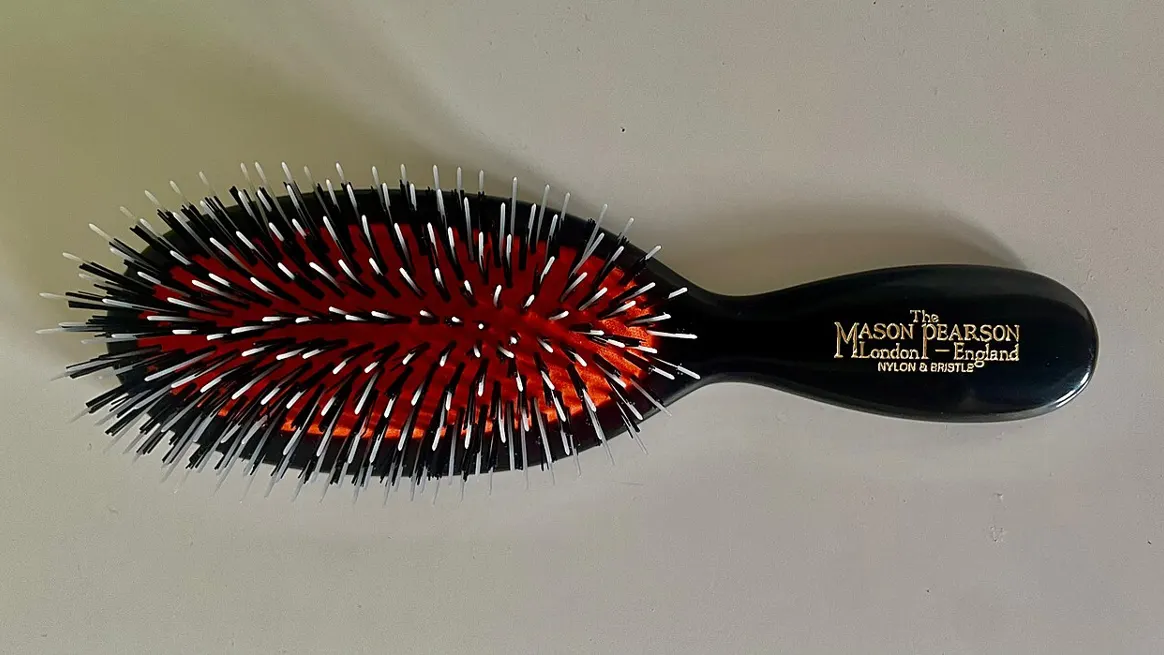
Your everyday shampoo and a detox shampoo sit next to each other on the shelf and look almost the same, but they're designed for different jobs. A regular shampoo is a maintenance product: it removes the day's oil and sweat gently enough to use every day, and it usually leaves a little conditioning behind. A detox shampoo is a reset: a stronger, often mineral-grabbing formula meant to strip away layers that regular washing leaves in place. Most people need both, just not at the same frequency. Below we break down the real differences, how to tell which one your hair is asking for, and where the shampoos sold for hair drug tests fit in.

The quick comparison
| Regular shampoo | Detox shampoo | |
|---|---|---|
| Main job | Daily cleaning of oil, sweat and light dirt | Removing stubborn buildup: product film, silicones, minerals, pollution residue |
| Cleansing strength | Mild to moderate | Moderate to strong |
| Conditioning extras | Common (silicones, polyquats, oils) | Usually few or none, so nothing is left behind |
| Special ingredients | Fragrance, botanical extracts, sometimes color-protecting agents | Chelators such as EDTA or sodium gluconate, charcoal, clay, acids like citric acid or apple cider vinegar |
| Typical frequency | Daily to a few times a week | Once a week to once a month |
| Feel after rinsing | Soft, slippery | Squeaky, bare, sometimes a little rough |
| Main risk | Slow buildup over weeks | Dryness, faster color fade if overused |
What a regular shampoo is designed to do
A standard shampoo balances two goals that pull against each other: clean the scalp well enough that it doesn't feel greasy, and do it gently enough that daily use won't fry your lengths. Formulators get there with a blend of cleansing agents (surfactants) at moderate strength, often softened with milder co-surfactants like cocamidopropyl betaine. Then they add things that stay on the hair after rinsing: silicones such as dimethicone, cationic polymers (the "polyquaternium" names on the label), plant oils or proteins. Those deposits are why hair feels smooth after a normal wash.
That design works well day to day. The catch is that a small amount of residue stays behind every time. Add leave-in conditioner, dry shampoo, gel, hairspray, sunscreen and the minerals in your tap water, and some people end up with a film that a gentle shampoo simply isn't strong enough to break through.
What a detox shampoo is designed to do
A detox shampoo, sometimes labeled clarifying, purifying or "reset," flips the priorities. It's meant to remove as much as possible and leave little behind. You'll typically see one or more of these approaches:
- A stronger surfactant system. More cleansing power per wash, so oils and polymer films lift off in one or two lathers.
- Chelating agents. EDTA, sodium phytate, sodium gluconate or citric acid bind to calcium, magnesium, iron and copper from hard water or pool water so they rinse away instead of sitting on the cuticle.
- Adsorbents. Activated charcoal and clays like bentonite or kaolin are added to grab oil and grime. How much they add beyond the surfactants is debated, but they're common.
- Light acids. Apple cider vinegar, citric or malic acid lower pH a little, which helps the cuticle lie flat and loosens mineral deposits.
- No heavy conditioners. Many detox formulas skip silicones on purpose so the wash itself doesn't redeposit what you were trying to remove.
"Detox" is a marketing word, not a regulated category. In haircare it simply means a deep-cleaning shampoo. It doesn't pull toxins out of your body or your bloodstream, and two products with the same label can be very different in strength. Our explainer on what a detox shampoo actually does goes deeper into the ingredient list.
How they feel in your hands and on your head
The difference is noticeable from the first rinse. Regular shampoo lathers into something creamy and rinses out with a slippery feel because the conditioning ingredients are already working. A detox wash often foams big and rinses "squeaky." Fingers drag a bit through wet hair, and tangles show up more on long or curly hair. That squeak is the sign there's nothing coating the strand, which is the point, but it's also why conditioner afterward isn't optional for most people.
Once dry, regular-shampoo hair tends to look smooth but can go flat by the second day if buildup has accumulated. Detox-shampoo hair usually looks lighter and has more lift at the roots, with brighter color on blonde, gray and silver hair. Lengths can feel drier until your next conditioning step.
Signs you need a detox wash instead of your usual shampoo
- Your hair feels coated, waxy or heavy no matter how well you rinse.
- Products you've used for months suddenly stop working.
- You live in a hard-water area and your hair feels like straw or turns brassy.
- You swim often and blonde or light hair is going greenish.
- You lean on dry shampoo, gel, mousse or hairspray most days.
- Your scalp feels itchy or flaky in a way that clears up after a thorough wash.
- You're about to color, perm or treat your hair and your stylist wants a clean base.
If none of those apply, your regular shampoo is doing its job and a detox wash may just dry you out. Our guides on detox shampoo for hard water and oily hair cover those specific cases.
When regular shampoo is the better choice
A detox formula isn't an upgrade for everyone. Stick mainly with your regular shampoo if:
- Your hair is very dry, curly or coily and already struggles to hold moisture.
- You have fresh color, especially reds, pastels and vivid shades that fade quickly.
- Your scalp is sensitive, or you have eczema or psoriasis on the scalp.
- You use very little product and wash with soft water.
- Your hair is chemically damaged from bleaching or relaxing and needs cushioning, not stripping.
In those cases a sulfate-free or moisturizing shampoo for regular washes, with a gentle clarifying step maybe once a month, is usually kinder. Colored hair has its own trade-offs, covered in detox shampoo safe for colored hair.
How often to use each
| Your situation | Regular shampoo | Detox shampoo |
|---|---|---|
| Fine, oily hair, lots of styling product | Daily or every other day | Once a week |
| Normal hair, moderate product | Two to four times a week | Every two weeks |
| Thick, coarse or curly hair | Once or twice a week | Every three to four weeks |
| Color-treated hair | Two to three times a week, color-safe formula | Monthly at most, or before a color appointment |
| Hard water or frequent swimming | As usual | Weekly, ideally a chelating formula |
These are starting points, not rules. Your hair will tell you quickly. If it feels dry or frizzy for days after a detox wash, stretch the gap. If it feels heavy again within a few days, shorten it.
Ad: we may earn a commission if you buy through this link. Information only, not medical or legal advice. Tampering with a drug test can be illegal and usually counts as a refusal. The only sure way to pass is to not use.
Can you replace one with the other?
Using detox shampoo every day is the most common mistake. Daily stripping can leave hair brittle, increase tangles and breakage, and send some scalps into overdrive producing oil. Color fades faster too. A few gentle "daily detox" products are formulated mild enough for frequent use, but they're closer to a regular shampoo than a true clarifier.
Using only a regular shampoo forever works for some people, especially those with soft water and minimal product. For everyone else, buildup tends to creep back over weeks. You don't need to switch shampoos entirely, just add an occasional reset.
The simplest routine is a rotation: your regular shampoo for most washes, a detox shampoo on a set day, and conditioner after both.
How to use a detox shampoo in a regular routine
- Pick a day based on the frequency table above, for example every Sunday.
- Soak hair fully with warm water so the formula spreads evenly.
- Massage a coin-sized amount into the scalp with your fingertips, not nails.
- Rinse, then do a second lather if you use heavy products. The second wash usually foams more because the first broke the film down.
- Leave it on for a minute or two. Longer contact mostly adds dryness.
- Rinse thoroughly and apply conditioner or a mask to the mid-lengths and ends.
- Go back to your regular shampoo for the next washes.
If you're torn between a detox shampoo and a classic clarifying shampoo, they overlap a lot. We compared them in detox shampoo or clarifying shampoo.
Reading the label: quick tells
| If the label says | It usually means |
|---|---|
| "Clarifying," "purifying," "reset," "detox" | Deeper cleaning, use occasionally |
| EDTA, phytate, gluconate, citric acid near the top | Mineral-removing (chelating) action, good for hard water |
| Dimethicone, amodimethicone, polyquaternium | Conditioning deposits, typical of regular shampoos |
| "Moisturizing," "hydrating," "smoothing" | Gentle everyday formula |
| "Sulfate-free" | Milder surfactants, but not automatically gentle or harsh; check the rest |
Myths about detox and regular shampoos
- "Squeaky clean means healthy." Squeak only tells you the surface is bare. Healthy hair still needs some oil and conditioning to stay flexible, which is why stripping it over and over makes it snap more easily.
- "Detox shampoo removes toxins from your body." It cleans what's on your hair and scalp. Your liver and kidneys handle everything else, and no shampoo changes that.
- "Expensive regular shampoo never causes buildup." Price doesn't decide it. Rich, silicone-heavy formulas are often the ones that build up fastest, especially on fine hair.
- "Sulfate-free shampoos can't clarify." Some sulfate-free products use strong enough surfactants plus chelators to clarify well. Read the whole label, not just the front claim.
- "If a little works, more works better." Doubling the amount or leaving a detox shampoo on for ten minutes mostly increases dryness. Two short lathers beat one long soak.
Cost and how long a bottle lasts
Because you use a detox shampoo only every week or few weeks, a bottle usually outlasts several bottles of your everyday shampoo. That changes the math: a pricier clarifier can still cost less per month than a budget daily shampoo. When comparing, look at how often you'll really reach for it and whether you need a chelating formula for hard water, rather than at the shelf price alone.
Detox shampoo vs regular shampoo for a hair drug test
Some people searching this comparison have a hair follicle test coming up and want to know if switching shampoos changes anything. Here's the honest picture. Drugs and their metabolites get into hair from the bloodstream as it grows and end up inside the hair shaft, not just on the surface. Labs also wash hair samples before they analyze them, specifically to remove outside contamination. Neither a regular shampoo nor a beauty detox shampoo is designed to reach inside the strand, so there's no reason to expect either to change a lab result.
A separate category of shampoos is marketed specifically for hair tests. The best known is Old Style Aloe Toxin Rid from TestClear. The maker describes it as a deep-cleansing formula for the hair shaft and gives a schedule of repeated washes per day across several days before a test, often with Zydot Ultra Clean on test day. Those are the company's claims and directions. There's no independent published study showing that it or any shampoo reliably removes drug residue from inside hair, so it can't be said to work or to guarantee a pass. The only sure way is not to use. You can read the maker's directions and current options on the Old Style Aloe Toxin Rid page at TestClear, and our Aloe Toxin Rid review and how-to-use guide lays out what is and isn't known.
If you're worried about an upcoming test, a home hair test that you mail to a lab is a smarter first move than guessing, because it shows you privately where you stand. Routines like the Macujo and Jerry G methods also circulate online. They stack vinegar, salicylic acid, laundry detergent and detox shampoo, are rough on the scalp and are unproven. If a routine mentions bleach, never combine bleach with vinegar, acids or other cleaners, since that can release toxic gas.
None of this applies to DOT, FAA, federal, military, court, probation or parole testing. Don't use these products for those tests; they are regulated programs, and tampering can be treated as a refusal.
Bottom line
Think of regular shampoo as brushing your teeth and detox shampoo as the occasional deep clean. Use your regular formula for most washes, add a detox wash when buildup, hard water or heavy styling make hair dull and heavy, and condition afterward every time. And if a hair drug test is what's really on your mind, neither one changes what's inside the hair; testing yourself first and knowing the facts on products marketed for hair tests will serve you better than swapping shampoos.
Disclaimer and support
This page is general information, not medical or legal advice. Stop any product that burns, blisters or causes hair loss, and see a dermatologist for ongoing scalp problems. Tampering with a drug test may be illegal and can count as a refusal or failed test; abstinence is the only guaranteed way to pass. For free, confidential help with substance use, call the SAMHSA National Helpline at 1-800-662-4357, 24/7. If you're in crisis, call or text 988.
Sources
Detection windows, cutoffs and procedures on this page are based on these public sources. Individual results vary; this is information, not medical or legal advice. See how the DrugTestAnswers Editorial Team checks facts.
- HHS/SAMHSA, proposed Mandatory Guidelines using hair specimens, Federal Register, 10 Sep 2020
- SAMHSA, TAP 32: Clinical Drug Testing in Primary Care
- MedlinePlus (U.S. National Library of Medicine): Drug Testing
- Moeller KE et al., "Clinical Interpretation of Urine Drug Tests", Mayo Clinic Proceedings, 2017 (PubMed)
- SAMHSA National Helpline (free, confidential, 24/7)
Questions people ask
What is the difference between detox shampoo and regular shampoo?
Regular shampoo cleans gently and usually leaves conditioning agents behind for daily use. Detox shampoo cleans more deeply, often with chelators, charcoal or clay, and leaves little behind, so it's meant for occasional use.
Can I use detox shampoo every day?
Most detox shampoos are too strong for daily use and can dry hair, fade color and irritate the scalp. Once a week to once a month suits most people.
Do I still need regular shampoo if I use a detox shampoo?
Yes, for most people. Use regular shampoo for routine washes and a detox shampoo as a periodic reset, with conditioner after both.
Is clarifying shampoo the same as detox shampoo?
They overlap heavily. Both deep clean; detox products more often add chelators, charcoal or clay, but the labels aren't regulated.
Will switching to a detox shampoo help me pass a hair drug test?
There's no independent evidence that any shampoo removes drugs from inside the hair shaft, and labs wash samples first. Not using is the only sure way to pass.
Ad: we may earn a commission if you buy through this link. Information only, not medical or legal advice. Tampering with a drug test can be illegal and usually counts as a refusal. The only sure way to pass is to not use.
No product can promise you a pass, and the only certain way is to not use. Tampering with a drug test can be illegal and is usually treated as a refusal. We never help anyone beat DOT, federal, safety-sensitive, or court-ordered tests. If substance use is getting on top of you, call the free, confidential SAMHSA National Helpline on 1-800-662-4357 (24/7, English and Spanish), or call or text 988 in a crisis. Source: samhsa.gov.