Detox Shampoo vs Scalp Scrub: Which Cleans Buildup Better and Should You Use Both?
Old Style Aloe Toxin Rid, sold direct by TestClear. Read our how-to before you buy.
Ad: we may earn a commission if you buy through this link. Information only, not medical or legal advice. Tampering with a drug test can be illegal and usually counts as a refusal. The only sure way to pass is to not use.
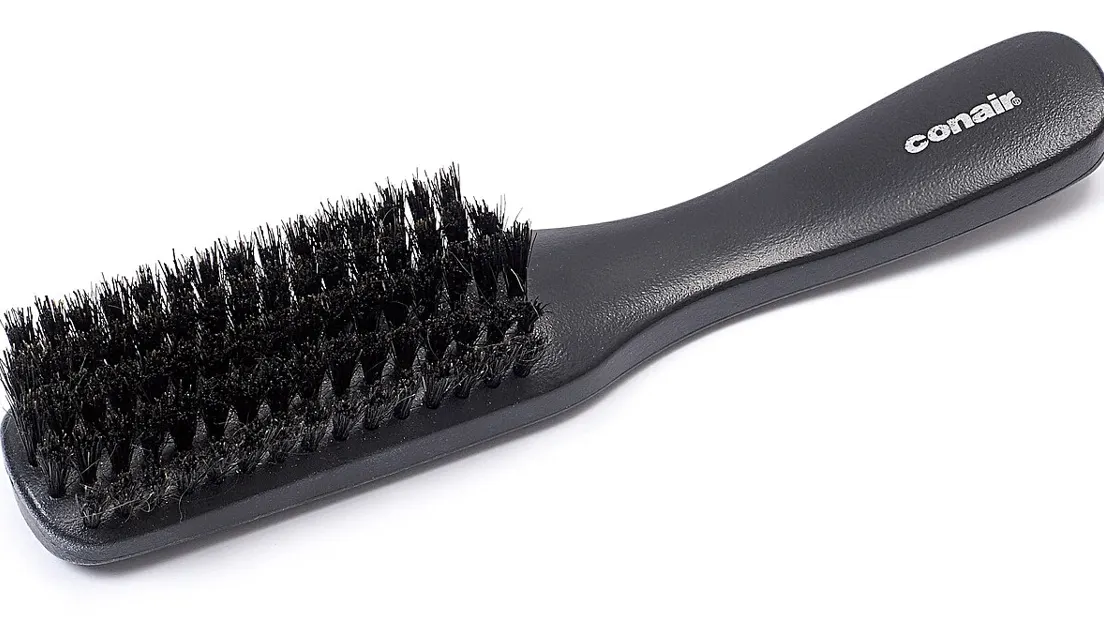
A detox shampoo and a scalp scrub both promise a cleaner, fresher scalp, so it's easy to assume they're interchangeable. They're not. A detox shampoo dissolves and rinses away film from the whole head of hair, lengths included. A scalp scrub works only on the skin under your hair, loosening dead skin cells and stuck-on residue around the roots, either by friction or with mild acids. Which one you need depends on where the problem actually is: on the hair, on the scalp, or both. Here's how to tell, plus a safe way to use them together.
Side by side
| Detox shampoo | Scalp scrub | |
|---|---|---|
| Works on | Hair strands and scalp | Scalp skin only |
| How it cleans | Surfactants, chelators, sometimes charcoal or clay | Physical grit (sugar, salt, ground seeds, jojoba beads) or chemical exfoliants (salicylic, glycolic or lactic acid) |
| Best for | Product film, silicone and hard-water mineral buildup on hair | Flakes from dead skin, thick residue at the roots, a tight or itchy scalp from buildup |
| Typical frequency | Weekly to monthly | Every one to two weeks at most |
| Main downside | Dry lengths, faster color fade | Irritation, micro-scratches, worse flaking if overdone |
What a scalp scrub actually does
Your scalp sheds skin like the rest of your body, but it's covered by hair and coated with oil and products, so dead cells can cling instead of falling away. A scrub speeds up that shedding. Physical scrubs rely on small particles you massage in by hand. Chemical scrubs, which are often gels or serums rather than gritty pastes, use acids to loosen the bonds between dead cells so they rinse off. Salicylic acid is oil-soluble, which is why it shows up in many products for greasy, flaky scalps.
A scrub doesn't do much for the lengths of your hair. It won't lift silicone from your ends or remove minerals that make blonde hair brassy. That's shampoo territory.
What a detox shampoo does that a scrub can't
A detox or clarifying shampoo spreads through the whole head of hair as it lathers, so it cleans every strand, not just the roots. Formulas with chelators such as EDTA or citric acid also grab calcium and iron from hard water. If your hair feels heavy, waxy or dull all the way down, or your styling products have stopped working, the shampoo is the right tool. Our guide to what a detox shampoo does explains the ingredients.
Which one do you need?
- Hair feels coated and flat, scalp feels fine: detox shampoo.
- Scalp feels tight, itchy or bumpy, with flakes stuck at the roots: scalp scrub, followed by your normal shampoo.
- Heavy dry shampoo or gel user with buildup in both places: both, used on the same day once in a while (see below).
- Dandruff that keeps coming back: probably neither alone. Persistent dandruff is often linked to yeast on the scalp, and medicated shampoos with ketoconazole, zinc pyrithione or selenium sulfide usually work better. Our page on whether detox shampoo helps dandruff covers this.
- Sore, red, cracked or broken skin: skip both and see a dermatologist.
Ad: we may earn a commission if you buy through this link. Information only, not medical or legal advice. Tampering with a drug test can be illegal and usually counts as a refusal. The only sure way to pass is to not use.
How to use both safely
- Start with damp hair. Part it in sections so you can reach the scalp, not just the hair on top.
- Apply the scrub to the scalp and massage gently with fingertips for one to two minutes. Light pressure is enough; hard rubbing just irritates.
- Rinse well, then wash with the detox shampoo. Many scrubs leave a little oil or residue, and the shampoo clears it along with the film on your lengths.
- Condition the mid-lengths and ends.
- Do this combined routine no more than every two weeks, and less often if your scalp is sensitive or your hair is dry.
Avoid stacking a chemical scrub with other strong actives the same day, like a salicylic-acid shampoo or a vinegar rinse. Too much acid at once is a common cause of a burning, peeling scalp.
Picking a scrub
| Scrub type | Good for | Be careful if |
|---|---|---|
| Sugar-based | Gentle, dissolves as you rinse | You have very sensitive skin |
| Salt-based | Oily scalps, a stronger polish | You have any scratches or recent shaving or waxing at the hairline |
| Jojoba or wax beads | Even, round particles that are less abrasive | The product is very oily for fine hair |
| Chemical (acid) scalp exfoliant | No grit, easy to rinse from curly or thick hair | You use other acids, retinoids or have eczema |
Plastic microbeads are banned in rinse-off cosmetics in the US under the Microbead-Free Waters Act, so modern scrubs use natural or biodegradable particles.
Scalp scrubs, detox shampoos and hair drug tests
If you're comparing these because a hair follicle test is coming up, know this: drug residue in a hair test sits inside the hair shaft, laid down from the bloodstream as the hair grows. A scrub works on skin, and beauty detox shampoos only clean the surface of the strand. Labs also wash samples before testing. Neither is built to change what's inside the hair.
The product most often marketed for hair tests is Old Style Aloe Toxin Rid from TestClear, which the maker says deep-cleanses the hair shaft when used on a multi-day, multi-wash schedule. That's the company's claim; there's no independent study showing it or any shampoo reliably clears drugs from hair, so no pass can be promised, and abstinence is the only certain way. You can check the maker's directions on the Old Style Aloe Toxin Rid page at TestClear, and we cover the details in our Aloe Toxin Rid review and how-to-use guide. A home hair test mailed to a lab is the more useful first step, since it tells you privately where you stand.
Scrubbing harder is not a strategy. An irritated or broken scalp makes harsh routines like Macujo or Jerry G, which already combine vinegar, salicylic acid and detergent, even more painful, and those methods are unproven. Never mix bleach with vinegar, acids or other cleaners; it can release toxic gas. Don't use any of these products for DOT, FAA, federal, military, court, probation or parole tests.
Disclaimer and support
This article is informational and not medical or legal advice. Stop any product that stings, burns or causes hair loss, and see a dermatologist for ongoing scalp issues. Tampering with a drug test may be illegal and can count as a refusal or a failed test; the only guaranteed way to pass is abstinence. For free, confidential help with substance use, call the SAMHSA National Helpline at 1-800-662-4357, any time. In a crisis, call or text 988.
Sources
Detection windows, cutoffs and procedures on this page are based on these public sources. Individual results vary; this is information, not medical or legal advice. See how the DrugTestAnswers Editorial Team checks facts.
- HHS/SAMHSA, proposed Mandatory Guidelines using hair specimens, Federal Register, 10 Sep 2020
- SAMHSA, TAP 32: Clinical Drug Testing in Primary Care
- MedlinePlus (U.S. National Library of Medicine): Drug Testing
- Moeller KE et al., "Clinical Interpretation of Urine Drug Tests", Mayo Clinic Proceedings, 2017 (PubMed)
- SAMHSA National Helpline (free, confidential, 24/7)
Questions people ask
Is a scalp scrub better than a detox shampoo?
They do different jobs. A scrub exfoliates the scalp skin; a detox shampoo removes product and mineral buildup from the hair and scalp. Use the one that matches where your buildup is.
Should I use a scalp scrub before or after shampoo?
Before. Scrub the scalp on damp hair, rinse, then shampoo to remove leftover residue, and condition the ends.
How often should I use a scalp scrub?
Once every one to two weeks is plenty for most people. More often can irritate the scalp and make flaking worse.
Can I use a scalp scrub and detox shampoo on the same day?
Yes, occasionally, about every two weeks at most. Skip extra acids like vinegar rinses that day.
Can a scalp scrub help with a hair drug test?
No evidence suggests it can. Drug residue is inside the hair shaft, not on the scalp, and labs wash samples first. Not using is the only sure way to pass.
Ad: we may earn a commission if you buy through this link. Information only, not medical or legal advice. Tampering with a drug test can be illegal and usually counts as a refusal. The only sure way to pass is to not use.
No product can promise you a pass, and the only certain way is to not use. Tampering with a drug test can be illegal and is usually treated as a refusal. We never help anyone beat DOT, federal, safety-sensitive, or court-ordered tests. If substance use is getting on top of you, call the free, confidential SAMHSA National Helpline on 1-800-662-4357 (24/7, English and Spanish), or call or text 988 in a crisis. Source: samhsa.gov.