Detox Shampoo for Oily Hair: What Works, How Often to Wash, and the Truth About Drug-Test Shampoos
Old Style Aloe Toxin Rid, sold direct by TestClear. Read our how-to before you buy.
Ad: we may earn a commission if you buy through this link. Information only, not medical or legal advice. Tampering with a drug test can be illegal and usually counts as a refusal. The only sure way to pass is to not use.
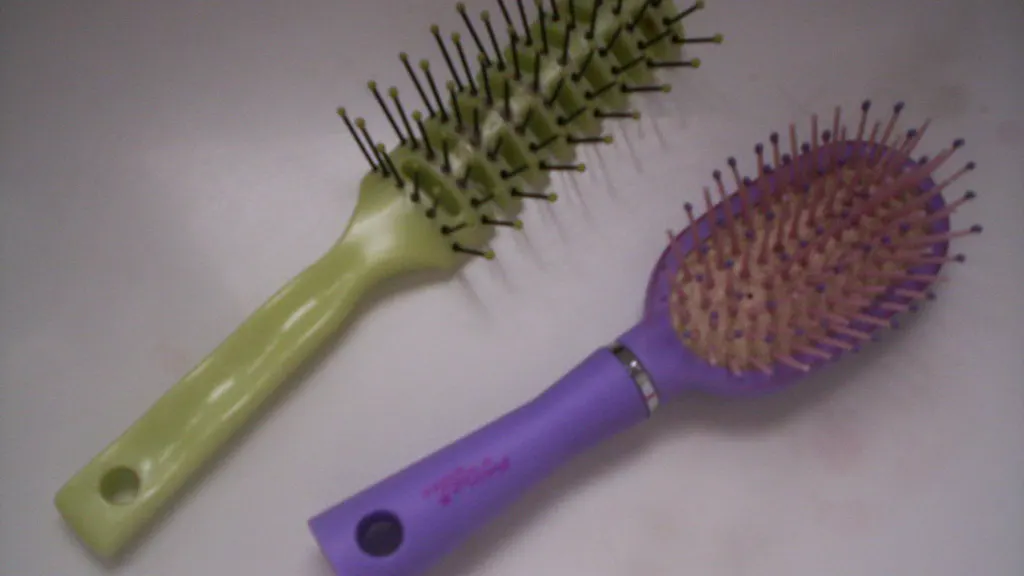
If your roots look slick by the afternoon of wash day, your bangs separate into strings, or your scalp feels like it needs a wash again before bed, you've probably wondered whether a detox shampoo would help. For a lot of oily-haired people it does, because a good detox or clarifying formula clears away the oil, dry shampoo and product that ordinary shampoos leave behind. But it isn't a cure for an oily scalp, and used the wrong way it can make your hair feel worse. Below we cover why hair gets oily, what a detox shampoo can realistically change, which ingredients to look for, how to build a routine around it, and, because many readers searching "detox shampoo" are actually facing a hair drug test, what the evidence says about shampoos sold for that. We may earn a commission from links on this page.

Why some hair gets oily so fast
Every hair follicle on your scalp is attached to a sebaceous gland that makes sebum, a waxy mix of fats that keeps skin and hair from drying out. How much your glands make, and how quickly that oil travels down the strand, decides how fast your hair looks greasy. A few things push it in the oily direction:
- Genetics. Gland size and activity are largely inherited. If your parents had oily hair, you likely will too.
- Hormones. Androgens drive sebum production, which is why oiliness often spikes in the teen years, around periods, during pregnancy and with some hormonal conditions or medications.
- Hair texture. Fine, straight hair lets sebum slide down quickly and shows grease sooner. Thick, curly or coily hair slows that travel, so the scalp may be oily while the ends stay dry.
- Climate and sweat. Heat and humidity make oil spread faster, and sweat mixes with sebum into a heavier film. Workouts and hats add to it.
- Product habits. Heavy conditioners at the roots, silicone serums, oils, waxes and layer upon layer of dry shampoo all add weight that looks and feels like grease.
- Touching your hair. Running your fingers through it all day moves oil from your hands and scalp down the lengths.
A dermatologist can help if oiliness comes with redness, thick yellow flakes or itching, since that pattern often points to seborrheic dermatitis, which needs medicated treatment rather than a detox wash.
What "detox shampoo" means for oily hair
There's no legal definition of "detox" on a shampoo bottle. In practice, a detox shampoo is a deep-cleansing formula that removes more than a daily shampoo does. For oily hair, the parts that matter are:
- Stronger surfactants. Cleansers like sodium laureth sulfate, sodium C14-16 olefin sulfonate or, in sulfate-free versions, sodium cocoyl isethionate and decyl glucoside break up sebum so water can rinse it away. This is where most of the oil removal happens.
- Little or no heavy conditioning residue. Many daily shampoos deposit silicones or oils to make hair feel smooth. Detox and clarifying formulas skip most of that, which is why hair feels lighter afterward.
- Clay or charcoal. Kaolin, bentonite and activated charcoal can soak up some surface oil during the wash. Their effect in a rinse-off product is modest, but some people like how they feel.
- Scalp acids. Salicylic acid is oil-soluble, so it can get into the follicle opening and loosen the mix of sebum and dead skin there. Glycolic and lactic acids gently exfoliate the surface.
- Chelators. EDTA, sodium phytate and similar ingredients lift hard-water minerals. They don't affect oil much, but mineral film plus sebum makes hair feel extra heavy, so they help if your water is hard.
For a fuller breakdown of the label language, see our explainer on what a detox shampoo actually does. If you're torn between this and a straight clarifier, our page on choosing a detox shampoo or clarifying shampoo compares them directly.
What a detox shampoo can and can't do for oily hair
What it can do
- Clear the oil, sweat, dry shampoo and styling residue that a gentle shampoo leaves behind, so hair looks fresher for longer after a wash.
- Remove silicone and polymer buildup that makes fine hair limp and flat at the roots.
- Give volume back by taking weight off the roots.
- Reset your hair before a new routine, so you can tell how your hair actually behaves without old product in the way.
What it can't do
- Turn off your oil glands. No shampoo changes how much sebum your scalp produces over the long run. It removes the oil that's there; your glands keep making more.
- Replace a medicated treatment. Dandruff and seborrheic dermatitis respond to ingredients like ketoconazole, zinc pyrithione, selenium sulfide or coal tar, not to generic detox claims.
- Draw toxins out of your body. Despite the name, nothing in a shampoo pulls toxins out of your blood or your hair's inner core.
The rebound-oil question
You'll often read that washing oily hair too much makes your scalp "overproduce" oil to compensate. The evidence for a strong rebound effect is thin; sebum production is mostly set by hormones and genetics, and studies of washing frequency haven't shown that frequent washing makes scalps oilier. What does happen is that very harsh, stripping washes can leave the scalp tight, irritated and flaky, and the lengths dry and frizzy, while the roots still get greasy on schedule. That combination makes people feel like their hair is out of balance.
The practical takeaway: if your hair is oily, it's fine to wash it as often as you need to, even daily, but use a gentle shampoo for most washes and save the detox shampoo for once or twice a week at most.
How to choose a detox shampoo for oily hair
- Read the first five ingredients. You want an effective surfactant near the top and few heavy oils or butters. If shea butter, coconut oil or argan oil show up high on the list, it's not built for an oily scalp.
- Decide on sulfates. Sulfates clean oil very well and are fine for many oily scalps. Choose sulfate-free if your scalp is sensitive, your hair is color-treated, or your ends are dry while your roots are oily.
- Look for salicylic acid if you also get small bumps, a congested-feeling scalp or flakes stuck to oily patches.
- Add a chelator if your water is hard. Mineral film plus oil makes hair feel extra coated. Our guide to detox shampoo for hard water explains how to check your water.
- Skip anything that promises to "balance oil forever." Shampoo can't do that, so the claim tells you more about the marketing than the formula.
- Check the conditioner too. A lightweight, silicone-light conditioner used only on the lengths keeps the benefit of the detox wash.
How to use it
- Brush first. A quick brush loosens dry shampoo and flakes so the wash can rinse them away.
- Soak your hair with lukewarm water. Very hot water can leave the scalp irritated and doesn't remove oil any better.
- Apply to the scalp only. Part your hair in a few sections and put the shampoo directly on the roots. Massage with your fingertips, not your nails, for about a minute.
- Let the lather run down the lengths as you rinse instead of scrubbing the ends.
- Double cleanse if it's been a few days. The first wash breaks up heavy oil; the second actually cleans the scalp. You'll notice the second wash lathers much more.
- Give acids and chelators time. If your formula contains salicylic acid or chelators, leave the second lather on for two to three minutes, or as the label says.
- Condition mid-lengths to ends only. Keep conditioner several inches away from your scalp. A rinse-out conditioner is usually better than a heavy leave-in for oily hair.
- Rinse with cool water to finish. It doesn't "close pores," but it feels good and helps the cuticle lie flat for shine.
Ad: we may earn a commission if you buy through this link. Information only, not medical or legal advice. Tampering with a drug test can be illegal and usually counts as a refusal. The only sure way to pass is to not use.
Building a weekly routine
A simple pattern that works for many oily-haired people:
- Most wash days: a gentle, lightweight daily shampoo, used as often as your scalp needs, followed by a light conditioner on the ends.
- Once a week (or every other week): the detox shampoo, double cleansed if needed, then a slightly richer conditioner on the lengths to make up for the stronger wash.
- Every so often: a scalp scrub or a salicylic acid scalp treatment if you get congestion or flakes. Don't stack it on the same day as a detox wash.
- Between washes: a little dry shampoo at the roots is fine, but aim it at the scalp, brush it through, and don't use it several days in a row without a proper wash.
Give a new routine three to four weeks before judging it. Hair and scalp need a few cycles to settle after you change products.
Oily roots, dry ends
This is one of the most common complaints, especially for longer, curly or color-treated hair. Treat the two zones separately: cleanse the scalp thoroughly, and protect the ends with conditioner or a few drops of a lightweight oil applied only to the bottom few inches. A detox wash every week or two keeps buildup from the end treatments off your roots.
Oily hair and curls
Curly and coily hair can have a very oily scalp while the curls themselves stay dry, because sebum doesn't travel easily down a spiral. Choose a sulfate-free detox shampoo, focus it on the scalp, and follow with your usual moisture routine on the curls. Our guide to detox shampoo for Black hair walks through a full wash day for tightly curled hair.
Oily hair in summer vs winter
Many people notice their roots get greasy faster in hot, humid months, when sweat and heat help sebum spread, and feel drier in winter, when indoor heating pulls moisture from the scalp and lengths. It's normal to adjust with the seasons: you might use your detox shampoo weekly through summer and stretch it to every two or three weeks in winter, switching to a slightly richer conditioner on the ends when the air turns dry.
Everyday habits that help oily hair
- Wash pillowcases, hats and headbands often; they collect oil and put it right back on your hair.
- Clean your brushes every week or two with a little shampoo and warm water.
- Keep your hands out of your hair. Touching it all day spreads oil fast.
- Go lighter on heat styling oils and serums, and use them only on the lengths.
- Wash after workouts, or at least rinse and condition the ends if you don't want to shampoo again.
- Try styles that hide day-two roots, like a higher part, braids or a loose bun, to stretch time between washes without loading up on dry shampoo.
- Talk to a doctor about sudden changes in oiliness, especially if they come with acne, hair thinning or irregular periods, since those can be signs of a hormonal issue worth checking.
Detox shampoo for oily hair vs a drug-test shampoo
A lot of searches for "detox shampoo" come from people with a hair follicle drug test on the calendar, not a greasy-scalp problem. It's worth being clear about the difference, because the products and the evidence behind them are not the same.
Beauty detox shampoos clean the outside of the hair and the scalp surface. A hair drug test looks for drugs and their metabolites that traveled from your bloodstream into the hair as it grew, and those sit inside the strand. Labs also wash every hair sample before analysis to strip off surface oil and contamination. There's no published evidence that an everyday detox shampoo for oily hair changes a drug-test result, and having oily or clean hair on test day doesn't change what's inside the strand.
Product facts: Old Style Aloe Toxin Rid
The shampoo people ask us about most for hair tests is Old Style Aloe Toxin Rid from TestClear. It's sold specifically for people facing a hair follicle test, not as a cosmetic oil-control shampoo. Here's what's known:
- What TestClear says: it's a deep-cleansing shampoo intended to remove chemical residue and impurities from the hair and scalp.
- Maker's directions: pre-wash with an ordinary shampoo, apply Aloe Toxin Rid to damp hair and scalp, leave it on for about 10 to 15 minutes, rinse, and repeat across several days before the test; the number of washes depends on the bottle size.
- What's proven: no independent, peer-reviewed research shows that it brings drug levels below a lab's cutoff, and TestClear does not guarantee a pass. The only sure way to pass a hair test is not using.
- Oily-hair note: the long, repeated washes strip oil hard. Roots may feel squeaky while ends get dry, so condition the lengths after every wash.
If you want to read the maker's own page, you can see Old Style Aloe Toxin Rid on TestClear. Our Aloe Toxin Rid review and how-to-use guide covers the full routine, typical schedules and its limits.
Check where you stand first
Before committing to days of harsh washing, consider a mail-in home hair test such as Hair Confirm. It tells you privately what a lab would likely find, so you know whether you have a problem at all. Our comparison of home hair follicle drug test kits covers what each one screens for and how long results take.
Macujo and Jerry G
Forums often recommend two do-it-yourself routines. The Macujo method uses white vinegar, a salicylic acid acne cleanser, liquid laundry detergent and a detox shampoo in sequence; the Jerry G method adds bleaching and dyeing. Neither has published evidence behind it, and both are rough on the scalp, which matters even more if yours is already irritated from oil or flaking. Never mix bleach with vinegar, other acids or household cleaners, because that can release toxic gas. Our page on Macujo method hair damage explains what can go wrong.
Common myths about oily hair
- "Skipping washes trains your scalp to make less oil." There's no good evidence for this. Your hair may just look greasier until you wash it.
- "Oily hair doesn't need conditioner." The ends usually do, especially in longer hair. Just keep it off the roots.
- "Charcoal detox shampoo absorbs all the oil." It helps a little; the surfactants do most of the work.
- "Daily detox washes are fine for oily hair." They tend to irritate the scalp and dry the ends. Use a gentle shampoo daily and a detox wash weekly at most.
- "A detox shampoo cleans drugs out of your hair." Ordinary detox shampoos aren't designed or tested for that, and labs wash samples before testing.
When to see a professional
See a dermatologist if your scalp is red, itchy or scaly along with the oiliness, if over-the-counter dandruff shampoos haven't helped after a month, if you notice hair shedding or thinning, or if oiliness appeared suddenly along with acne or other body changes. Those signs can point to seborrheic dermatitis, psoriasis or a hormonal cause that a detox shampoo won't fix.
Tests this page does not cover
Nothing here is meant for, or should be used to try to affect, a DOT-regulated test (trucking, transit, rail, aviation, pipeline or maritime), an FAA test, a federal employee or military program, or a court, probation or parole test. Interfering with those can be treated as a refusal and may be against the law.
Disclaimer and help
This is general information, not medical or legal advice. Tampering with a drug test can be illegal and usually counts as a refusal or a fail; the only guaranteed way to pass is to stop using. For free, confidential support 24 hours a day, call the SAMHSA National Helpline at 1-800-662-4357. In a crisis, call or text 988.
Sources
Detection windows, cutoffs and procedures on this page are based on these public sources. Individual results vary; this is information, not medical or legal advice. See how the DrugTestAnswers Editorial Team checks facts.
- HHS/SAMHSA, proposed Mandatory Guidelines using hair specimens, Federal Register, 10 Sep 2020
- SAMHSA, TAP 32: Clinical Drug Testing in Primary Care
- MedlinePlus (U.S. National Library of Medicine): Drug Testing
- Moeller KE et al., "Clinical Interpretation of Urine Drug Tests", Mayo Clinic Proceedings, 2017 (PubMed)
- SAMHSA National Helpline (free, confidential, 24/7)
Questions people ask
Is a detox shampoo good for oily hair?
Yes, used once a week or so. It clears oil, dry shampoo and product buildup that daily shampoos leave behind, so hair stays fresher longer. It won't permanently reduce how much oil your scalp makes.
How often should I use a detox shampoo on oily hair?
Once a week for most people, every other week if your hair or scalp feels dry. Use a gentle shampoo for your other washes, even daily if you need to.
Will washing oily hair every day make it oilier?
There's little evidence that frequent washing makes your scalp produce more oil. Harsh daily washes can irritate the scalp and dry the ends, so use a gentle formula for daily washing.
What ingredients should I look for in a detox shampoo for oily hair?
An effective cleanser near the top of the list, few heavy oils or butters, salicylic acid if you get congestion or flakes, and a chelator like EDTA if your water is hard.
Should people with oily hair use conditioner?
Usually yes, on the mid-lengths and ends only. Keep it a few inches away from the scalp and pick a lightweight, rinse-out formula.
Can a detox shampoo for oily hair help me pass a hair drug test?
There's no evidence that everyday detox shampoos change drug-test results. Drugs sit inside the hair strand, and labs wash samples before testing. Not using is the only sure way to pass.
What is Aloe Toxin Rid?
It's a deep-cleansing shampoo sold by TestClear for people facing a hair follicle test. There's no independent proof it lowers drug levels below cutoff, and it isn't guaranteed.
Ad: we may earn a commission if you buy through this link. Information only, not medical or legal advice. Tampering with a drug test can be illegal and usually counts as a refusal. The only sure way to pass is to not use.
No product can promise you a pass, and the only certain way is to not use. Tampering with a drug test can be illegal and is usually treated as a refusal. We never help anyone beat DOT, federal, safety-sensitive, or court-ordered tests. If substance use is getting on top of you, call the free, confidential SAMHSA National Helpline on 1-800-662-4357 (24/7, English and Spanish), or call or text 988 in a crisis. Source: samhsa.gov.