Detox Shampoo or Clarifying Shampoo? Which One Your Hair Needs (and What Neither Does for a Drug Test)
Old Style Aloe Toxin Rid, sold direct by TestClear. Read our how-to before you buy.
Ad: we may earn a commission if you buy through this link. Information only, not medical or legal advice. Tampering with a drug test can be illegal and usually counts as a refusal. The only sure way to pass is to not use.
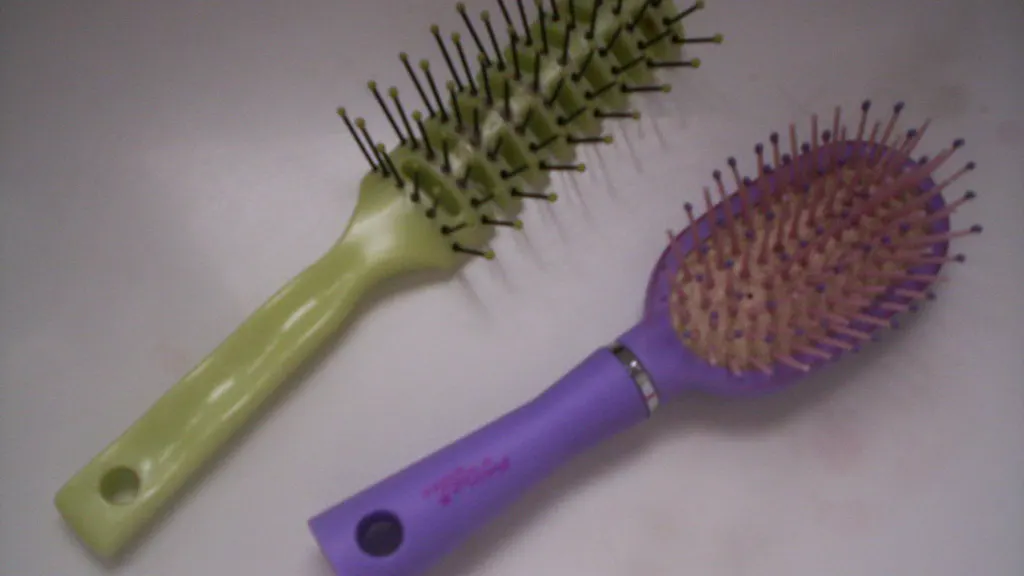
Stand in the hair aisle long enough and you'll notice two bottles promising to "reset" your hair: one says detox, the other says clarifying. They overlap, but they aren't twins. A clarifying shampoo is mostly about stripping off oil, silicone and styling product. A detox shampoo usually goes after minerals, metals and pollution film as well, and often adds clay or charcoal for good measure. Picking the right one depends on what's actually weighing your hair down. This guide walks through how to tell, how to use each without frying your ends, and, because a lot of readers searching this have a hair drug test coming up, what these shampoos can and can't do there. We may earn a commission from links on this page.
The short answer
If your hair feels greasy, coated or flat right after you style it, and you use a lot of dry shampoo, gel, hairspray or silicone serums, a clarifying shampoo is usually the better pick. If your hair feels rough, stiff or dull even when it's clean, changes color in odd ways (brassy, orange, green), or you live with hard or well water or swim a lot, a detox shampoo with chelating ingredients is the better match. If you've got both problems, a product that combines strong cleansers with chelators handles the two at once, and plenty of bottles sold as "detox" are exactly that.
What a clarifying shampoo is
Clarifying shampoo is the older category. It's a shampoo built with a higher load of strong surfactants (the cleaning agents that lift oil and grime so water can rinse them away) and little or no conditioning residue. Common ones you'll see near the top of the label include sodium lauryl sulfate, sodium laureth sulfate, ammonium lauryl sulfate and sodium C14-16 olefin sulfonate. Gentler "sulfate-free" clarifiers lean on cleansers such as sodium cocoyl isethionate, decyl glucoside or cocamidopropyl betaine, sometimes paired with a mild acid.
What it's good at removing:
- Sebum (your scalp's own oil) that has built up over several days
- Silicones from serums, heat protectants and conditioners, especially the heavier, non-water-soluble kinds like dimethicone
- Waxes, butters and polymers from styling creams, gels, pomades and hairspray
- Dry shampoo powder that has packed down at the roots
- Leftover conditioner from co-washing routines
What it's not especially good at: pulling minerals and metals off the hair shaft. Surfactants wash away things that dissolve in or mix with water and oil; calcium, magnesium, iron and copper need a different kind of ingredient to let go.
What a detox shampoo is
"Detox" is a marketing word, not a regulated category, so two detox shampoos can be built very differently. Most fall into one or more of these camps:
- Chelating formulas. They contain ingredients that bind metal ions so they rinse away: disodium or tetrasodium EDTA, sodium phytate, trisodium ethylenediamine disuccinate, etidronic acid, citric acid and gluconolactone are the usual ones. This is the part that actually earns the "detox" label for hard-water and swimmer's hair.
- Clay and charcoal formulas. Kaolin, bentonite and activated charcoal are added to absorb oil and surface grime. They look and sound impressive, but in a product that sits on your head for a minute or two before rinsing, most of the cleaning is still done by the surfactants.
- Scalp-focused formulas. Some detox shampoos add salicylic acid, glycolic acid or exfoliating particles to loosen flakes and dead skin around the follicle opening.
- Anti-pollution formulas. These claim to lift soot and airborne particles. The cleaning there again comes mostly from the surfactants, sometimes with antioxidants added.
So a detox shampoo is often a clarifying shampoo plus extras. The extra that matters most is a chelator, and the ingredient list tells you whether it's there. If you want the deeper breakdown of label terms, our explainer on what a detox shampoo actually does goes through them one by one.
Side by side
- Main job: clarifying removes oil and product; detox removes minerals and metals and usually oil and product too.
- Key ingredients: clarifying relies on strong surfactants; detox adds chelators, and sometimes clay, charcoal or scalp acids.
- Best for: clarifying suits heavy product users and oily scalps; detox suits hard water, well water, pool swimmers and hair with a metallic or brassy cast.
- Typical frequency: clarifying every one to four weeks; detox about the same, or weekly in very hard water.
- Main risk: both can leave hair dry and fade color if overused; chelators lift some dye along with minerals.
How to tell which one your hair needs
Try a quick check before buying anything.
- Look at what you put on it. If your routine includes leave-ins, oils, silicone serums, gel or daily dry shampoo, buildup from product is the likely problem.
- Look at what comes out of the tap. White crust on your faucets or shower glass means hard water, and that same scale is settling on your hair. Your city water report lists hardness, and cheap test strips work too. Our guide to detox shampoo for hard water covers the hardness ranges.
- Feel your hair when it's clean. Slick, heavy and limp points to product or oil. Rough, crunchy and straw-like points to minerals.
- Check the color. Green on light hair after swimming is copper. Orange or rust on blonde or gray hair often means iron from well water. Neither will budge much with a plain clarifier.
- Think about the scalp. Greasy by day two is mostly sebum, which any clarifier handles. Flaky and itchy may need a scalp-specific product, and persistent flaking is worth a visit to a dermatologist.
Ad: we may earn a commission if you buy through this link. Information only, not medical or legal advice. Tampering with a drug test can be illegal and usually counts as a refusal. The only sure way to pass is to not use.
How to use either one without wrecking your hair
- Wet hair thoroughly with lukewarm water. Hot water opens things up but also dries the scalp.
- Focus the shampoo on the scalp and roots, where oil and product collect. Let the lather run down the lengths rather than scrubbing the ends.
- Give a chelating formula a few minutes. Chelators need contact time to bind minerals, so follow the label, usually two to five minutes. A plain clarifier works on contact; there's no benefit to leaving it on long.
- Rinse well, then repeat only if your hair still feels coated.
- Condition every single time. Both products leave the cuticle rough. A rich conditioner or mask for three to five minutes puts back slip and shine.
- Go back to your normal gentle shampoo for everyday washing.
How often
For most people, once every two to four weeks is plenty for either type. Heavy product users or very oily scalps may clarify weekly. Swimmers and people on very hard well water may need a chelating wash weekly. If your hair starts feeling dry, tangled or brittle, you're doing it too often.
Who should go easy
- Color-treated hair. Clarifiers fade dye; chelators can lift it even faster. Wait at least a week after coloring, and see our guide to a detox shampoo that's safe for colored hair.
- Curly, coily and textured hair. These hair types lose moisture fast, so pick sulfate-free clarifiers, pre-poo with oil, and deep condition after. Our detox shampoo guide for Black hair has a full wash-day routine.
- Chemically processed or bleached hair. It's already fragile; strong cleansers can make breakage worse.
- Sensitive or broken skin. Stop if your scalp stings, burns or breaks out.
Can you use both?
Yes, but you rarely need to use them the same day. One easy rotation: a clarifying wash when product buildup gets heavy, a chelating wash once or twice a month if your water is hard, and a gentle daily shampoo the rest of the time. If you'd rather keep one bottle, choose a detox shampoo that lists both a sulfate or other strong surfactant and a chelator such as EDTA or sodium phytate.
Where drug-test shampoos fit in
A big share of people who type "detox shampoo" into a search bar aren't thinking about hard water at all. They have a hair follicle drug test coming and want to know whether one of these bottles will help. Here's the honest picture.
Clarifying and beauty detox shampoos clean the outside of the hair. A hair drug test measures drugs and metabolites that moved from your bloodstream into the strand while it grew, and that sit inside the hair's core. Labs also wash every sample before they test it, specifically to remove surface residue. Nothing published shows that an ordinary clarifying or detox shampoo lowers a drug-test result.
Product facts: Old Style Aloe Toxin Rid
The shampoo most often asked about for hair tests is Old Style Aloe Toxin Rid, sold by TestClear. It's marketed for people facing a hair test, not as a cosmetic clarifier. The facts:
- What TestClear says: it is a deep-cleansing shampoo meant to remove residue, chemicals and impurities from the hair and scalp.
- Maker's directions: wash first with a regular shampoo, apply Aloe Toxin Rid to damp hair, leave it in for roughly 10 to 15 minutes, rinse, and repeat over several days leading up to the test, with the number of washes depending on the bottle size.
- What's proven: no independent, peer-reviewed study shows it brings drug levels under a lab's cutoff, and TestClear does not guarantee a pass. Not using is the only sure way to pass a hair test.
- Compared with a beauty clarifier: it's used far more often and left on far longer than a normal clarifying shampoo, so dryness is common. Condition the lengths after each wash.
You can check Old Style Aloe Toxin Rid on TestClear to read the maker's own description and sizes. For the full routine and its limits, see our Aloe Toxin Rid review and how-to-use guide.
Test at home first
Before you put your hair through days of repeated harsh washing, a mail-in home hair test such as Hair Confirm tells you privately what a lab would likely find. If it comes back clean, you can skip the whole routine. Our comparison of home hair follicle drug test kits explains the options and what each screens for.
Macujo and Jerry G
You'll also run into two DIY routines on forums. The Macujo method layers white vinegar, a salicylic acid acne wash, laundry detergent and a detox shampoo in a set order; the Jerry G method adds bleaching and re-dyeing. There's no published proof that either works, both are very hard on hair and scalp, and neither is a clarifying routine in the beauty sense. Never mix bleach with vinegar, acids or household cleaners, because that combination can release toxic gas. Our step-by-step look at Macujo method hair damage explains the risks.
Myths worth dropping
- "Detox and clarifying are the same thing." They overlap, but only a formula with chelators reliably targets minerals and metals.
- "Charcoal pulls toxins out of your hair." Charcoal adsorbs some oil and grime on contact; it doesn't draw anything out of the strand's core.
- "The squeakier, the cleaner." Squeaky hair is stripped hair. It means the cuticle is rough, not healthier.
- "You should clarify every wash." That's a fast road to dryness, breakage and faded color.
- "A clarifying shampoo will clean drugs out of hair." There's no evidence for that, and labs wash samples before testing anyway.
Tests this page does not cover
Don't use anything on this page to try to affect a DOT-regulated test (trucking, transit, rail, aviation, pipeline or maritime), an FAA test, a federal employee or military program, or a court, probation or parole test. Trying to interfere with those can count as a refusal and may be illegal.
Disclaimer and help
This is general information, not medical or legal advice. Tampering with a drug test can be illegal and usually counts as a refusal or a fail; the only guaranteed way to pass is to stop using. For free, confidential support 24 hours a day, call the SAMHSA National Helpline at 1-800-662-4357. In a crisis, call or text 988.
Sources
Detection windows, cutoffs and procedures on this page are based on these public sources. Individual results vary; this is information, not medical or legal advice. See how the DrugTestAnswers Editorial Team checks facts.
- HHS/SAMHSA, proposed Mandatory Guidelines using hair specimens, Federal Register, 10 Sep 2020
- SAMHSA, TAP 32: Clinical Drug Testing in Primary Care
- MedlinePlus (U.S. National Library of Medicine): Drug Testing
- Moeller KE et al., "Clinical Interpretation of Urine Drug Tests", Mayo Clinic Proceedings, 2017 (PubMed)
- SAMHSA National Helpline (free, confidential, 24/7)
Questions people ask
Is a detox shampoo better than a clarifying shampoo?
Neither is better across the board. Clarifying is best for oil and product buildup; a detox shampoo with chelators is best for hard-water minerals, chlorine and metal tints. Pick the one that matches your buildup.
How do I know if a detox shampoo has chelators?
Read the ingredient list for EDTA (disodium or tetrasodium), sodium phytate, etidronic acid, citric acid or gluconolactone. If none appear, it's mostly a clarifier with extras.
Can I use a clarifying shampoo and a detox shampoo in the same week?
You can, but most people don't need to. Alternate them based on the problem and keep a gentle shampoo for everyday washing. Condition after each strong wash.
Will clarifying shampoo strip my hair color?
It can fade color faster, and chelating detox shampoos can lift dye too. Wait a week after coloring and use them sparingly.
Does a clarifying or detox shampoo help with a hair drug test?
There's no evidence that regular clarifying or beauty detox shampoos lower drug-test results. Drugs sit inside the hair strand and labs wash samples before testing.
Is Aloe Toxin Rid a clarifying shampoo?
TestClear sells it as a deep-cleansing shampoo for people facing a hair test. There's no independent proof it changes results, and it isn't guaranteed. Not using is the only sure way to pass.
Ad: we may earn a commission if you buy through this link. Information only, not medical or legal advice. Tampering with a drug test can be illegal and usually counts as a refusal. The only sure way to pass is to not use.
No product can promise you a pass, and the only certain way is to not use. Tampering with a drug test can be illegal and is usually treated as a refusal. We never help anyone beat DOT, federal, safety-sensitive, or court-ordered tests. If substance use is getting on top of you, call the free, confidential SAMHSA National Helpline on 1-800-662-4357 (24/7, English and Spanish), or call or text 988 in a crisis. Source: samhsa.gov.