Detox Shampoo for Hard Water: Chelating vs Clarifying, How Often to Use It, and Drug-Test Facts
Old Style Aloe Toxin Rid, sold direct by TestClear. Read our how-to before you buy.
Ad: we may earn a commission if you buy through this link. Information only, not medical or legal advice. Tampering with a drug test can be illegal and usually counts as a refusal. The only sure way to pass is to not use.
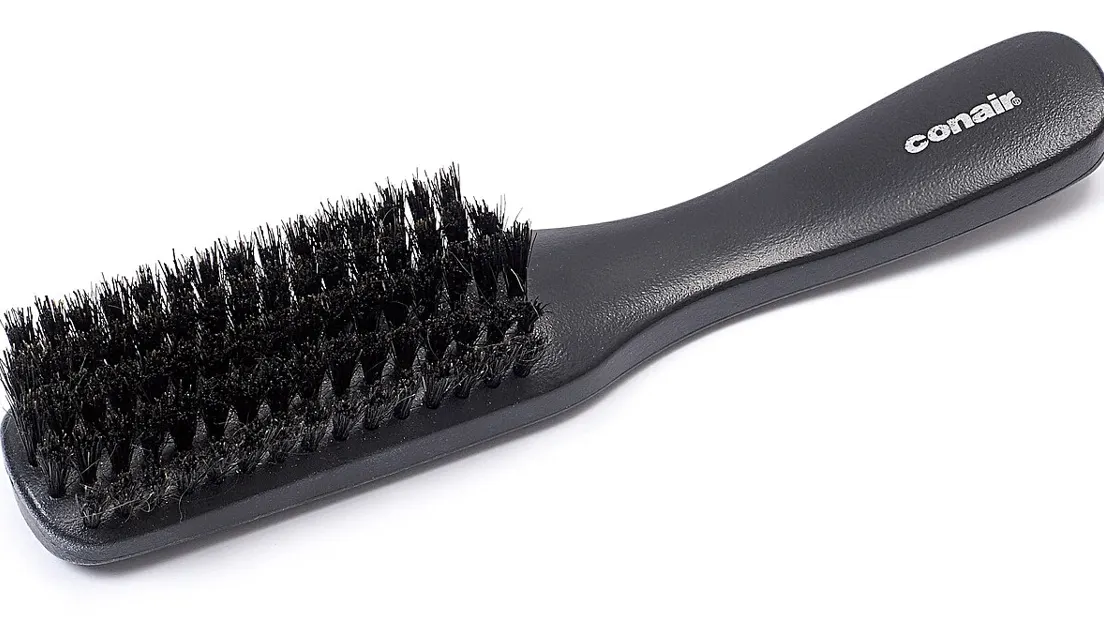
If your hair feels stiff, looks dull a day after washing, or turns brassy or greenish no matter what you use, the water coming out of your shower may be the problem. Hard water leaves calcium, magnesium and sometimes iron or copper on every strand, and an ordinary shampoo won't lift much of it. A detox shampoo built for hard water, usually called a chelating shampoo, is made for exactly that job. Below we explain how it works, how to pick and use one without drying your hair out, and, since many readers land here before a hair drug test, what mineral buildup has to do with that (very little). We may earn a commission from links on this page.
What hard water does to hair
Water picks up dissolved minerals as it moves through rock and soil. The US Geological Survey classes water by its hardness, measured as calcium carbonate: up to 60 milligrams per liter is soft, 61 to 120 is moderately hard, 121 to 180 is hard, and anything above 180 is very hard. Large parts of the Midwest, Southwest and Texas sit in the hard to very hard range.
Every time you rinse, a little of those minerals stays behind on your hair's outer layer. Over weeks it builds into a film you can't see but can definitely feel:
- Hair that feels rough, straw-like or "squeaky" even after conditioner
- Dullness and a lack of shine
- Tangles and knots that weren't there before
- Shampoo that doesn't lather well
- Curls that lose their shape or frizz more
- Color that fades fast, goes brassy on brunettes or picks up a green cast on blondes
- A flaky, itchy scalp in some people
If your faucets and shower door also get white crusty spots, that's the same mineral scale you're fighting on your head.
Iron and copper
Well water often carries iron, which can give light hair an orange or rusty tone. Copper comes from older pipes and from pool chemicals and is the usual reason blonde or gray hair turns green. These metals bind tightly, so they're the hardest buildup to remove.
Chelating vs clarifying: the difference that matters
Product labels use "detox," "clarifying" and "chelating" almost interchangeably, but they don't do quite the same thing.
- Clarifying shampoos rely on strong cleansing agents to strip oil, silicone, styling product and residue. They help with general buildup but don't target minerals much.
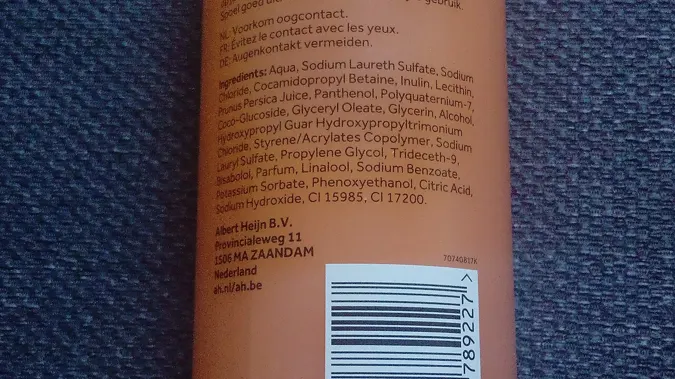
- Chelating shampoos contain ingredients that grab metal ions and let them rinse away. Common ones include disodium or tetrasodium EDTA, sodium phytate, citric acid, gluconolactone and etidronic acid.
- Many "detox" shampoos combine both, sometimes with charcoal or clay for marketing appeal.
For hard water, look for a chelating agent high in the ingredient list rather than just the word "detox" on the front. For a wider look at what the label term covers, see our explainer on what a detox shampoo actually does.
How to choose one
- Match it to your water. Moderately hard water may only need a chelating wash once a month. Very hard or well water may need one weekly.
- Think about your hair's condition. Fine, oily hair handles stronger formulas. Dry, curly, coily or damaged hair does better with a gentler, sulfate-free chelating shampoo.
- Protect your color. Chelators can lift some dye molecules along with minerals. If you color your hair, read our guide to a detox shampoo that's safe for colored hair.
- Know the swim factor. If you're in chlorinated pools often, a swimmer's shampoo with chelators helps remove copper before it tints your hair.
How to use a hard-water detox shampoo
- Wet your hair fully with lukewarm water, not hot.
- Apply to the scalp and roots, working it in with your fingertips, then smooth it down the lengths.
- Leave it two to five minutes, or whatever the label says, so the chelators have time to bind minerals.
- Rinse thoroughly. If your water is very hard, a final rinse with filtered or bottled water stops new minerals from settling right away.
- Condition every time. Chelating washes can leave hair feeling bare; a moisturizing conditioner or mask puts softness back.
- Space them out. Use your regular gentle shampoo between chelating washes.
People with tightly curled or Black hair may want an oil pre-wash first. Our page on a detox shampoo for Black hair has a full wash-day routine for coils.
Acidic rinses
Diluted apple cider vinegar (about one or two tablespoons per cup of water) or a citric acid rinse can loosen light mineral film between chelating washes. Don't use it full strength, keep it out of your eyes, and skip it on a broken or irritated scalp.
Ad: we may earn a commission if you buy through this link. Information only, not medical or legal advice. Tampering with a drug test can be illegal and usually counts as a refusal. The only sure way to pass is to not use.
Filters and softeners: what actually fixes the water
A detox shampoo treats the result; changing the water treats the cause.
- Shower-head filters with vitamin C or KDF media are good at reducing chlorine and some metals, and many people like how their hair feels after. Most do little to remove calcium and magnesium, so they won't truly soften hard water.
- Whole-house ion-exchange softeners do remove hardness minerals. They cost more and need salt refills, but they solve the problem for skin, hair, dishes and fixtures at once.
- Testing your water with an inexpensive strip kit, or checking your city's water-quality report, tells you how hard it really is before you spend money.
Hard water and hair drug tests
A good share of people searching "detox shampoo" have a hair follicle drug test coming, so it's worth being straight about this. Mineral buildup sits on the outside of the hair. A drug test looks at what's inside it: drugs and their breakdown products that moved into the strand from the bloodstream while it grew. Labs also wash every sample before analysis to remove surface residue. There's no evidence that hard water raises or lowers a drug-test result, and no evidence that chelating shampoos reach drugs locked inside the strand.
You'll see forum posts saying to wash with distilled water during a detox shampoo routine. That may help any shampoo lather a bit better, but there's no research showing it changes a result.
Product facts: Old Style Aloe Toxin Rid
The detox shampoo most often asked about for drug tests is Old Style Aloe Toxin Rid from TestClear. It isn't sold as a hard-water treatment. Here are the facts:
- Maker's description: a deep-cleansing shampoo intended to remove residue and impurities from hair and scalp.
- Maker's directions: pre-wash with regular shampoo, apply to damp hair, leave on about 10 to 15 minutes, rinse, and repeat across the days before a test.
- Evidence: no independent, published testing shows it gets drug levels under a lab cutoff, and TestClear doesn't guarantee results. Not using is the only sure way to pass.
- Hard-water tip: repeated long washes plus hard-water minerals can leave hair very dry, so condition the ends after every wash.
You can see Old Style Aloe Toxin Rid on TestClear if you want to read the maker's own page. Our Aloe Toxin Rid review and how-to-use guide covers the full routine and its limits.
Test yourself before trying anything
Before you put your hair through a week of harsh washing on top of hard water, a mail-in home hair test like Hair Confirm tells you privately where you stand. If it's clean, you can skip the stress. Our comparison of home hair follicle drug test kits explains the options.
Macujo and Jerry G
These DIY routines circulate widely. Macujo uses vinegar, a salicylic acid cleanser, detergent and a detox shampoo; Jerry G adds bleaching and dyeing. Neither has published proof behind it, and both can wreck hair that's already dry from hard water. Never combine bleach with vinegar, acids or any household cleaner, since that can release toxic gas. More on that in our page about Macujo method hair damage.
Common myths
- "Any clarifying shampoo removes hard-water minerals." Without a chelating ingredient, it mostly removes oil and product.
- "A shower filter softens water." Most reduce chlorine; few remove much calcium or magnesium.
- "More washes means cleaner hair." Daily chelating washes just dry hair and fade color.
- "Hard water causes hair loss." Research hasn't shown a clear link, though it can make hair brittle and break more easily.
Tests this page does not cover
Nothing here should be used to try to influence a DOT-regulated test (trucking, transit, rail, aviation, pipeline or maritime), an FAA test, a federal employee or military program, or court, probation or parole testing. Interfering with those can be treated as a refusal and may break the law.
Disclaimer and help
This is general information, not medical or legal advice. Tampering with a drug test can be illegal and usually counts as a refusal or a fail; the only guaranteed way to pass is to stop using. For free, confidential support 24 hours a day, call the SAMHSA National Helpline at 1-800-662-4357. In a crisis, call or text 988.
Sources
Detection windows, cutoffs and procedures on this page are based on these public sources. Individual results vary; this is information, not medical or legal advice. See how the DrugTestAnswers Editorial Team checks facts.
- HHS/SAMHSA, proposed Mandatory Guidelines using hair specimens, Federal Register, 10 Sep 2020
- SAMHSA, TAP 32: Clinical Drug Testing in Primary Care
- MedlinePlus (U.S. National Library of Medicine): Drug Testing
- Moeller KE et al., "Clinical Interpretation of Urine Drug Tests", Mayo Clinic Proceedings, 2017 (PubMed)
- SAMHSA National Helpline (free, confidential, 24/7)
Questions people ask
What kind of detox shampoo works for hard water?
Look for a chelating shampoo, one with ingredients like EDTA, sodium phytate, citric acid or gluconolactone that bind calcium, magnesium, iron and copper so they rinse away.
How often should I use a hard-water shampoo?
Weekly for very hard or well water, every two to four weeks for moderately hard water. Use a gentle regular shampoo in between and condition after every chelating wash.
Is a clarifying shampoo the same as a chelating shampoo?
Not exactly. Clarifying shampoos strip oil and product; chelating shampoos target minerals and metals. Many detox shampoos do both.
Will a shower filter fix hard-water hair?
It helps with chlorine and some metals, but most shower filters don't remove much calcium or magnesium. A whole-house softener is what truly softens water.
Does hard water affect a hair follicle drug test?
There's no evidence it does. Minerals sit on the surface, labs wash samples before testing, and drug tests measure what's inside the strand.
Can Aloe Toxin Rid remove hard-water buildup?
It's sold as a deep-cleansing drug-test shampoo, not a hard-water chelator, and there's no independent proof it changes drug-test results.
Ad: we may earn a commission if you buy through this link. Information only, not medical or legal advice. Tampering with a drug test can be illegal and usually counts as a refusal. The only sure way to pass is to not use.
No product can promise you a pass, and the only certain way is to not use. Tampering with a drug test can be illegal and is usually treated as a refusal. We never help anyone beat DOT, federal, safety-sensitive, or court-ordered tests. If substance use is getting on top of you, call the free, confidential SAMHSA National Helpline on 1-800-662-4357 (24/7, English and Spanish), or call or text 988 in a crisis. Source: samhsa.gov.