Can I Pass a Hair Follicle Test in 60 Days? The 30, 60 and 80-Day Math Explained
Old Style Aloe Toxin Rid, sold direct by TestClear. Read our how-to before you buy.
Ad: we may earn a commission if you buy through this link. Information only, not medical or legal advice. Tampering with a drug test can be illegal and usually counts as a refusal. The only sure way to pass is to not use.
Short version: at 60 days you're in the gray zone. A standard head-hair test reads about 90 days, so two months after your last use roughly a third of the sample the lab cuts still grew while you were using. Whether that third pushes the whole sample over the cutoff depends mostly on how much and how often you used, which drug it was, and whether they take head or body hair. Light, occasional users often come back negative around this point; daily users often don't. The good news is that 60 days is enough time to find out where you stand before the real test instead of guessing. Here's the math, the gray areas and a plan you can follow. We may earn a commission if you buy through links on this page.
Two ways people mean "in 60 days"
This question shows up in two forms, and the answer changes a little with each:
- "I've been clean for 60 days and the test is now." Your sample will hold about two months of clean growth plus roughly one month from when you were still using.
- "My test is 60 days away and I'm stopping today." On test day you'll be in the same spot as above, but you also have eight weeks to check your own hair, ask questions about the test and plan.
Both people are looking at the same sample on the same day. The second person just has more room to prepare, which is a real advantage.
What the lab actually cuts on day 60
The collector snips a lock about the thickness of a pencil from the crown, as close to the scalp as possible, and the lab uses about the first 1.5 inches (around 3.9 cm). Head hair grows at roughly half an inch a month on average, a bit faster for some people and slower for others. That's where the 90-day figure comes from.
There's one wrinkle that matters at 60 days: new hair spends about a week growing under the skin before it reaches the surface where scissors can get it. So on day 60 after your last use, the hair above the scalp that formed after you stopped is a little less than two months' worth, closer to seven or eight weeks. Put simply, roughly 0.9 to 1 inch of the sample is "after" hair and the far half inch or so is "during" hair.
| Days since last use | Rough share of a 1.5-inch sample grown after you stopped | Rough share grown while you were still using |
|---|---|---|
| 30 days | About one-quarter to one-third | About two-thirds or more |
| 45 days | About four-tenths to one-half | About half or a bit more |
| 60 days | About six-tenths to two-thirds | About a third to four-tenths |
| 70 days | About seven-tenths | About three-tenths |
| 80 days | About eight-tenths | About two-tenths |
| 90 to 100 days | Most or all of it | Little or none, if your hair grows at an average rate |
These are estimates built on average growth. If your hair grows slowly, every row shifts toward more "during" hair. If the collector cuts a bit further from the scalp than ideal, the window also shifts back in time.
Why a third of the sample doesn't mean a third of the risk
Labs generally grind or dissolve the whole 1.5-inch piece and test it as one sample. They don't read it inch by inch unless someone orders segmented testing. So what matters is the average amount of drug across the whole piece, measured in picograms per milligram of hair (pg/mg), compared with the lab's cutoff.
Here's a simplified way to picture it. Say the hair that grew while you were using held drug at some level. If that hair is now a third of the sample and the rest is clean, the averaged result is very roughly a third of the original level. Real hair isn't that tidy, because drug can spread along the strand through sweat and oils and some hairs are resting rather than growing, but the idea holds:
- Light or occasional use: the original level may only have been a little above the cutoff, or below it. Divided down by clean growth, it has a decent chance of landing under the line by day 60.
- Daily or heavy use: the original level may have been many times the cutoff. Even cut to a third, it can still sit above the line at day 60, and sometimes at day 80.
- In between: this is the real gray zone. Small differences in hair growth, hair color and the exact cut can tip it either way.
That's why two people who both quit two months ago can get opposite results, and why internet stories from both sides are each "true" for the person telling them.
Drug-by-drug: how 60 days tends to look
| Drug | How it behaves in hair | What that usually means at 60 days |
|---|---|---|
| Marijuana (THC) | Gets into hair at very low levels; labs use a very low cutoff for it | Occasional users often test negative; daily smokers are more of a coin flip |
| Cocaine | Binds strongly to hair, especially darker hair, and shows up at high levels | Harder; even moderate use can stay above the cutoff at 60 days |
| Methamphetamine and amphetamines | Also bind well and appear at high levels relative to the cutoff | Similar to cocaine; regular use often still shows |
| Opiates and opioids | Vary by the specific drug; prescriptions are handled by a medical review officer | Depends on drug and dose; ask what panel is ordered |
| PCP | Rarely used, but stays in hair well | Regular use is likely to still show |
Hair pigment matters too. Basic drugs like cocaine and meth bind to melanin, so dark hair tends to hold more than light hair at the same use. That's not something you can or should try to change; it just helps explain why results vary.
Body hair changes everything
If your head hair is too short or you shave it, the collector will usually take hair from your chest, underarms, arms or legs. Body hair grows more slowly and a bigger share of it is in a resting phase at any time. Labs can't convert its length into a neat number of days, and it's commonly described as covering up to about a year.
For someone at 60 days, that's bad news: a body-hair sample is much more likely to include the months when you were still using than a head-hair sample is. Shaving your head 60 days out usually just trades a 90-day window for a much longer one. Our guide to which body hair labs use and our page on testing with a shaved head cover this in detail.
A week-by-week plan for the next 60 days
If the test is still ahead of you, this is a practical order of operations. None of it promises a result; it's about knowing more and avoiding mistakes.
- Week 1: confirm what kind of test it is. Ask HR or the recruiter whether it's hair, urine or saliva, and which panel. People sometimes plan for a hair test and then get a urine cup, or the reverse. If the job is DOT-regulated, federal, military, or the test is court, probation or parole ordered, stop here; nothing on this page is for those tests.
- Weeks 1 to 8: stop using, completely. Every new use adds a fresh band of hair that will be inside the sample on test day. Even one use at week six puts drug into hair that will be cut.
- Weeks 1 to 8: leave your hair alone. Keep a normal length on top so the collector can take head hair. Skip big cosmetic changes made only for the test. Bleach, relaxers and acid rinses can damage hair and scalp, and the reduction they cause in hair drug levels is inconsistent. See our page on hair dye, bleach and hair tests.
- Around week 5 or 6: run a home hair test. A mail-in kit sends a small sample to a lab, and you get a result before the real test. If it's negative at that point, the clean share of your hair only grows from there. If it's positive, you've learned something important while there's still time to think it through. Allow time for shipping and lab processing.
- Week 7: decide what you'll do if the home result was positive. Options include asking whether the test date can move, being honest with the employer where policies allow it, or looking at roles that use different testing. If you're thinking about a detox shampoo, read the product facts below first.
- Test week: show up as you are. Bring ID and your paperwork, have prescription details ready for a possible medical review officer call, and don't bring products to the collection site.
Why a home hair test is the best money you'll spend
At 60 days you are guessing about the most important number, the averaged level in your own sample, and no calculator can know it. A home hair test actually measures it. That's why our first recommendation is always to check yourself before anyone else does. Our roundup of home hair follicle test kits compares options, and the mid-page button links to TestClear's Hair Confirm kit.
A few tips: take the sample the same way a collector would, close to the scalp at the crown; follow the kit's mailing instructions; and if the result is close to the cutoff or positive, take that seriously instead of hoping the real lab reads it differently.
Product facts: Old Style Aloe Toxin Rid on a 60-day timeline
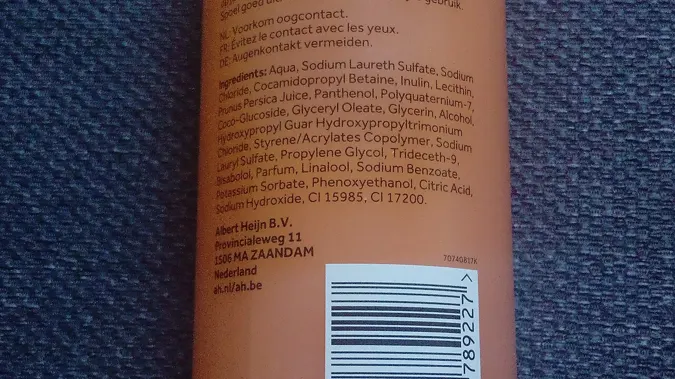
Many people with a hair test coming up look at detox shampoos, and the one most often named is Old Style Aloe Toxin Rid from TestClear. Here's what is claimed and what is known:
- What the maker says: it's a deep-cleansing shampoo intended to be used around 15 times in the 3 to 10 days before a hair test, using the whole bottle, more than once a day if time is short.
- What that means at 60 days: the maker's schedule is about the final days before the test, not weeks of washing. Starting it eight weeks early doesn't match the directions.
- What isn't proven: there is no independent published research showing that Aloe Toxin Rid, or any shampoo, gets a person past a hair drug test. Drug compounds are inside the hair shaft, and labs wash samples before analysis. User reviews are anecdotes.
- What is sure: abstinence is the only certain way to pass.
If you still want it, you can see Old Style Aloe Toxin Rid at TestClear, and our Aloe Toxin Rid review and how-to guide lays out the maker's directions, wash schedules and comparisons in full.
Ad: we may earn a commission if you buy through this link. Information only, not medical or legal advice. Tampering with a drug test can be illegal and usually counts as a refusal. The only sure way to pass is to not use.
Macujo and Jerry G at 60 days
You'll also see the Macujo method (vinegar, a salicylic acid face wash, Aloe Toxin Rid, detergent and sometimes Zydot) and the Jerry G variation (which adds hair bleach and dye). People typically run these in the last days before a test, not across two months. Facts to know before trying either:
- No controlled study shows either routine reliably drops drug levels below cutoffs.
- Both are hard on the scalp. Repeated sessions can cause irritation, burns and breakage.
- Never mix bleach with vinegar, acids or household cleaners. That can release toxic gas and cause chemical burns.
- Heavily treated hair can look different, and collectors may note it.
Our Macujo method step-by-step explainer goes through the steps and risks factually.
What doesn't help on a 60-day timeline
- Cutting your hair short. The lab measures from the scalp, so cutting the ends just removes the oldest hair, which isn't in the 1.5-inch sample anyway. Cutting it very short can push them to body hair. See does cutting your hair help.
- Drinking lots of water or detox drinks. Those are about urine, not hair. Nothing you drink changes what's already locked in grown hair.
- Exercise and saunas. Healthy, but they don't remove drug from hair that has already grown.
- Using "just once" in week seven. That use lands right in the newest part of the sample.
Common 60-day scenarios
Weekend smoker, quit two months ago, dark hair. Often negative at this point, but not certainly. A home test would settle it.
Daily smoker for a year, quit 60 days ago. Real chance of a positive still. Waiting until 90 to 100 days, if the timing can move, changes the odds a lot.
A few lines of cocaine at a party 60 days ago, nothing else. One-time cocaine use can show in hair, and a third of the sample still covers that period. It's a genuine maybe; test yourself.
Regular meth or cocaine use until 60 days ago. Likely still positive in head hair at 60 days. Body hair is even less favorable.
Prescription medication on the panel. Not a pass-or-fail issue in the usual sense. A medical review officer will ask for proof before reporting to the employer.
How results reach the employer
Negative hair results usually come back within a few business days of the lab receiving the sample. Positive screens take longer because the lab confirms them with a second, more specific method. In many workplace programs a medical review officer then contacts you before a result goes to the employer. Our page on hair test results explained walks through the report.
If you're struggling to stop
If staying off for 60 days feels hard, that's worth paying attention to on its own, separate from any test. Talking it through with someone can help, and it's free and confidential at the SAMHSA National Helpline, 1-800-662-4357, any time of day.
Tests this page doesn't apply to
Don't use anything on this page to try to affect a DOT-regulated test (CDL drivers, rail, transit, pipeline, maritime), FAA aviation testing, federal employee programs, military testing, or court, probation and parole testing. Tampering with those can count as a refusal and may be illegal.
How we put this together
Hair growth rates, sample length and the roughly one-week delay before new growth reaches the surface come from forensic toxicology literature and Society of Hair Testing guidance. Drug binding and pigment effects come from published hair-analysis research. Product directions are from TestClear's product page. The share-of-sample table is our own simplified estimate, not lab data. See our editorial methodology, and for the bigger timeline picture, how long it takes to pass a hair follicle test.
Disclaimer and support
Informational only, not medical or legal advice. Tampering with a drug test may be illegal and can count as a refusal or failed test. The only guaranteed way to pass is abstinence. For free, confidential support 24/7, call the SAMHSA National Helpline at 1-800-662-4357. If you're in crisis, call or text 988.
Sources
Detection windows, cutoffs and procedures on this page are based on these public sources. Individual results vary; this is information, not medical or legal advice. See how the DrugTestAnswers Editorial Team checks facts.
- HHS/SAMHSA, proposed Mandatory Guidelines using hair specimens, Federal Register, 10 Sep 2020
- SAMHSA, TAP 32: Clinical Drug Testing in Primary Care
- MedlinePlus (U.S. National Library of Medicine): Drug Testing
- Moeller KE et al., "Clinical Interpretation of Urine Drug Tests", Mayo Clinic Proceedings, 2017 (PubMed)
- SAMHSA National Helpline (free, confidential, 24/7)
Questions people ask
Can I pass a hair follicle test after 60 days clean?
Possibly. About a third of a standard head-hair sample still grew while you were using. Light users often test negative by then; heavy daily users often still test positive. A home hair test is the only way to know your own result.
Can you pass a hair follicle test in 30 days?
It's less likely. At 30 days most of the 1.5-inch sample still grew during use, so occasional users have some chance and regular users usually still test positive.
Is 70 or 80 days better than 60?
Yes. Each extra week replaces more of the sample with hair that grew after you stopped. By about 90 to 100 days most average growers have a fully clean head-hair sample.
Will shaving my head help at 60 days?
Usually not. The collector will take body hair instead, which can cover up to about a year and is more likely to include the time you were using.
Should I start a detox shampoo 60 days early?
The maker of Old Style Aloe Toxin Rid describes using it in the 3 to 10 days before a test, not for weeks. No shampoo has independent proof of beating a hair test; abstinence is the only sure way.
When should I take a home hair test?
Around five or six weeks after your last use is a sensible checkpoint if your test is at about 60 days. It leaves time for shipping, lab processing and planning.
Ad: we may earn a commission if you buy through this link. Information only, not medical or legal advice. Tampering with a drug test can be illegal and usually counts as a refusal. The only sure way to pass is to not use.
No product can promise you a pass, and the only certain way is to not use. Tampering with a drug test can be illegal and is usually treated as a refusal. We never help anyone beat DOT, federal, safety-sensitive, or court-ordered tests. If substance use is getting on top of you, call the free, confidential SAMHSA National Helpline on 1-800-662-4357 (24/7, English and Spanish), or call or text 988 in a crisis. Source: samhsa.gov.