Does Cutting Your Hair Help With a Hair Follicle Test? Short Hair, Shaved Heads and Body Hair Explained
Old Style Aloe Toxin Rid, sold direct by TestClear. Read our how-to before you buy.
Ad: we may earn a commission if you buy through this link. Information only, not medical or legal advice. Tampering with a drug test can be illegal and usually counts as a refusal. The only sure way to pass is to not use.
It sounds like an easy fix: if the lab wants your hair, just cut most of it off. A lot of people ask whether a short haircut, a buzz cut or a fully shaved head will help with a hair follicle test, and the honest answer is that it changes which hair gets tested and how far back the test can look, but it rarely makes a test go away. This guide walks through what a collector does when your hair is short, why body hair can actually be worse news, how employers tend to treat a freshly shaved head, and what to do instead if you're worried. We may earn a commission if you buy through our links.
The short answer
Cutting your hair does not remove drug traces from the hair that's still attached to your head. Drugs and their metabolites get locked inside the hair shaft as it forms below the skin, so every strand carries a record of roughly the weeks it took to grow. A trim only takes away the oldest part of that record, the ends. What's left near the scalp still holds the most recent months, and that's exactly the section a standard test uses.
So a haircut can shorten the window a lab can see, sometimes by a lot, but it doesn't clean the hair, and going too short often just sends the collector to your chest, arms, legs or armpits.
How much hair a lab actually needs
A standard head hair test cuts a small bundle of strands as close to the scalp as possible, usually from the back of the crown. Labs ask for roughly 100 to 120 milligrams of hair, which looks like a lock about as thick as a pencil. The lab then uses the first 1.5 inches from the root end.
Head hair grows about half an inch a month on average, so 1.5 inches works out to around 90 days. That's where the familiar "hair tests go back three months" line comes from. It's an average, not a promise: some people's hair grows faster or slower, and the newest week or so of growth is still under the skin when the sample is cut.
What happens if your hair is short
If your head hair is shorter than 1.5 inches, the collector doesn't give up. They cut what's there, taking more strands from a wider area to reach the weight they need. A half-inch buzz cut, for example, only holds about a month of growth, so the lab is looking at a shorter slice of time. That can matter for someone whose last use was two or three months ago, but it does nothing for recent use, which is in the hair closest to the root.
Very short hair has a practical problem too. If it's too short to grip and cut, the collector may not be able to get enough from your head at all, and the collection instructions usually say to switch to body hair.
Shaved head? Expect body hair
When there's no usable head hair, collectors move to body hair, usually from the chest, underarms, arms or legs. This is where shaving tends to backfire. Body hair grows more slowly and has longer resting phases than scalp hair, so a sample can reflect use from a much longer period, often quoted as up to about a year. The lab also can't neatly map body hair to specific months the way it can with head hair.
In other words, shaving your head can swap a 90-day test for one that may reach back much further. If you also shave your body, the collector has nothing to take, and that's when policies kick in.
How employers tend to treat a freshly shaved head and body
Policies vary, so read the consent form and the job's testing policy. In general:
- If you have no collectable hair anywhere, many employers simply send you for a urine or oral fluid test instead. Those tests look at a much shorter window, but they catch recent use.
- Some policies treat showing up with everything shaved, right after you were told about a hair test, as a refusal to test. A refusal is usually handled the same as a positive result.
- Some employers will reschedule and wait for your hair to grow back enough to sample.
The safest assumption is that removing all your hair won't make the test disappear; it changes the type of test or the date.
Ad: we may earn a commission if you buy through this link. Information only, not medical or legal advice. Tampering with a drug test can be illegal and usually counts as a refusal. The only sure way to pass is to not use.
Does a fresh haircut help with the "lab wash" or with shampoo?
No. Labs wash every sample before testing to remove surface residue, then dissolve or grind the hair to reach what's locked inside. A clean cut doesn't change anything inside the strands. Some people get a trim before trying a clarifying shampoo routine so there's less hair to work through, but that's a matter of convenience, not a way to change the result.
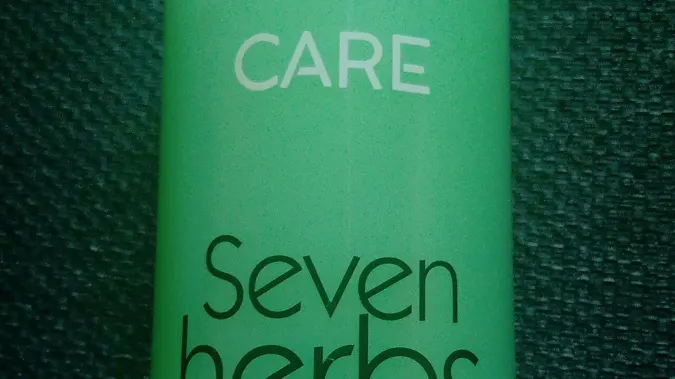
If you're reading about detox shampoos, it helps to know what's actually claimed. TestClear sells Old Style Aloe Toxin Rid shampoo as a deep-cleansing product meant for people facing hair tests. The maker publishes directions involving repeated washes over several days. There's no independent study showing it lowers drug levels inside hair below lab cutoffs, and we won't tell you it will. Our Aloe Toxin Rid review and how-to-use guide covers the directions and what's known.
Cutting, dyeing and bleaching: different things
People sometimes lump these together. Cutting only removes length. Dyeing and bleaching chemically change the hair and, in studies, can lower measured drug levels to some degree, but not reliably enough to count on, and they damage hair and scalp. We go through the research in our page on hair dye, bleach and hair tests. Never mix bleach with vinegar, acids or other cleaners, since that can release toxic gas.
A smarter first step: check your own hair
Before you change your look for a test, find out where you stand. A home hair drug test lets you send a sample to a lab privately and see what it shows. If it comes back clean, you can stop worrying about haircuts entirely. If it doesn't, you'll know what you're dealing with and can make a realistic plan, including talking to the employer, waiting longer if that's possible, or looking at jobs that don't hair test. Our guide to home hair follicle test kits explains how they work.
Quick questions people ask
Will a buzz cut shorten my window? Usually, yes. Less length means less time recorded on the strands, but recent use stays in the root end.
Can they test the hair I cut off at home? No. Collectors cut the sample themselves at the appointment so they can confirm it's yours.
Does hair on my head and my beard count the same? Labs prefer scalp hair. If they have to use beard or body hair, the window can be longer and less precise.
Tests this doesn't apply to
Don't try to change any DOT, FAA, federal, military, court, probation or parole test. Those programs have strict rules, and tampering or refusing can bring serious consequences.
Disclaimer and support
This page is general information, not medical or legal advice. Cutting or shaving hair doesn't guarantee any result, and the only sure way to pass a hair test is not using. If you'd like support, the SAMHSA National Helpline is free, confidential and open 24/7 at 1-800-662-4357. In a crisis, call or text 988.
Questions people ask
Does cutting your hair help pass a hair follicle test?
It can shorten how far back the test looks, because less length means less recorded time, but it doesn't remove drug traces from the hair near the scalp, which holds the most recent months.
What if my hair is too short for a hair test?
The collector takes hair from a wider area of your head. If there isn't enough, they usually take body hair from your chest, arms, legs or underarms.
Is body hair testing worse than head hair?
It can be. Body hair grows more slowly and can reflect use over a longer period, often quoted as up to about a year.
Can I shave everything to avoid a hair test?
Some employers switch you to a urine test, some reschedule, and some policies treat it as a refusal to test, which is usually handled like a positive.
Will a haircut before a detox shampoo make it work better?
A trim can make washing easier, but there's no evidence it changes what's locked inside the hair, and no shampoo is proven to beat a hair test.
Ad: we may earn a commission if you buy through this link. Information only, not medical or legal advice. Tampering with a drug test can be illegal and usually counts as a refusal. The only sure way to pass is to not use.
No product can promise you a pass, and the only certain way is to not use. Tampering with a drug test can be illegal and is usually treated as a refusal. We never help anyone beat DOT, federal, safety-sensitive, or court-ordered tests. If substance use is getting on top of you, call the free, confidential SAMHSA National Helpline on 1-800-662-4357 (24/7, English and Spanish), or call or text 988 in a crisis. Source: samhsa.gov.