Macujo Method Step by Step: The Commonly Shared Routine, Supplies, Timing and Safety Rules
Old Style Aloe Toxin Rid, sold direct by TestClear. Read our how-to before you buy.
Ad: we may earn a commission if you buy through this link. Information only, not medical or legal advice. Tampering with a drug test can be illegal and usually counts as a refusal. The only sure way to pass is to not use.
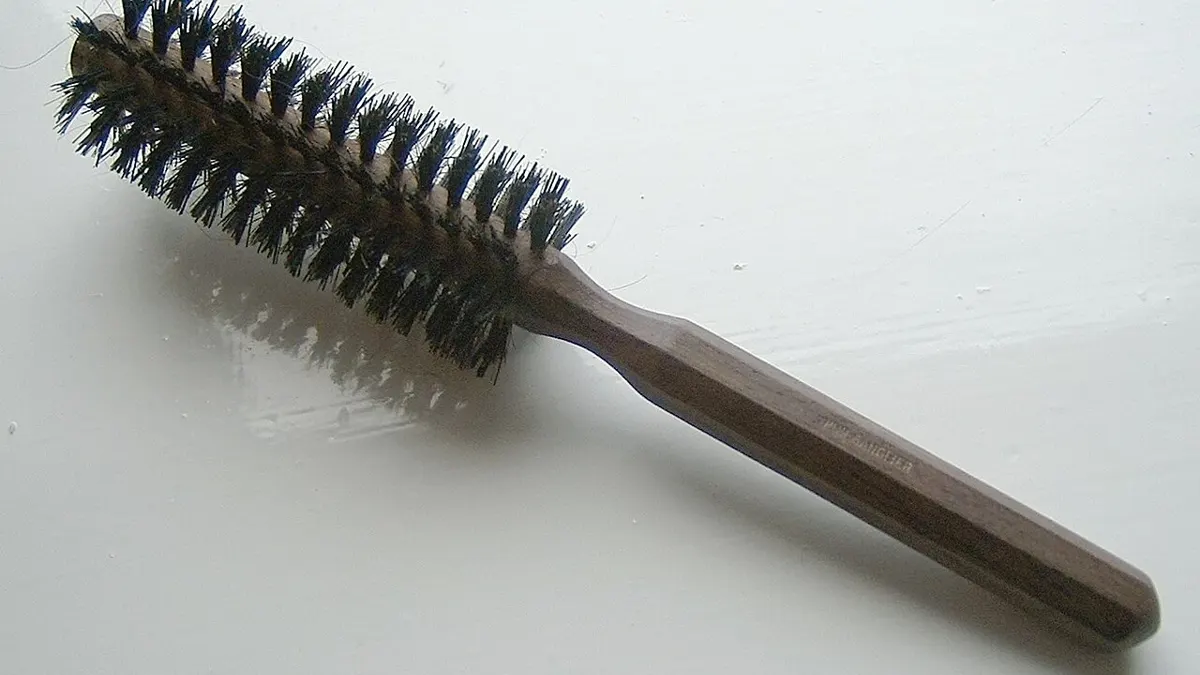
The Macujo method is a multi-product hair washing routine that people use in the days before a hair follicle drug test. You'll find a dozen slightly different versions online, often with steps out of order or key safety warnings missing. This page lays out the routine the way it is most commonly shared, explains what each step is supposed to do, how long a session takes, how many sessions people typically fit in, and how to adjust for different hair. We're describing it, not promising anything: there is no independent proof the Macujo method gets anyone past a hair test, and the only sure way to pass is not using during the test window. It also involves acids and strong cleansers on your scalp, so read the safety section before you touch a bottle. We may earn a commission if you buy through our links.
Read this first
- No guarantee. The Macujo method has never been tested in a published, independent study. Online success stories can't tell you whether it worked or whether the person would have passed anyway.
- Not for regulated tests. Don't use it for DOT-regulated tests (CDL, rail, transit, pipeline, maritime), FAA aviation, federal employee programs, military, or court, probation and parole testing. Tampering with those can count as a refusal and may be illegal.
- It can hurt. Salicylic acid, vinegar and detergent on the scalp, repeated over days, cause burning, peeling and hair breakage in some people. Never add bleach, and never mix bleach with vinegar or any other cleaner.
- Check your status first. A home hair test can tell you whether you need to do anything at all.
Where the method comes from
The routine is named after the person credited with popularizing it online, often called Mike Macujo, and a website using the Macujo name sells kits and publishes its own version of the steps. Over the years the method spread through forums and video channels, and people added, dropped or reordered steps. The core idea has stayed the same: open up and strip the hair with acidic and cleansing products, then wash repeatedly with a detox shampoo, over several sessions before the test. Old Style Aloe Toxin Rid from TestClear is the shampoo named in nearly every version.
Step zero: find out if you even need this
The Macujo method costs money, takes hours across several days and can damage your hair. Before starting, a home hair follicle test kit lets you mail a sample to a lab and get a private result. If you're negative, you can skip the whole routine. If you're positive, you'll know where you stand. See our guide to the best hair follicle drug test kits, and read how long it takes to pass a hair follicle test to understand the roughly 90-day window a standard sample covers.
Supplies people gather
Exact brands differ between versions. This is the list most often given, along with the role each item plays in the routine as it is described:
| Item | Role in the routine as commonly described | Notes |
|---|---|---|
| Distilled white vinegar | First application, described as softening and opening the hair cuticle | Some versions use apple cider vinegar instead |
| Salicylic acid face wash (Clean & Clear Pink Grapefruit or the original Clean & Clear deep cleaning products are the usual picks) | Applied on top of the vinegar, described as a further stripping step | Salicylic acid is the active ingredient; avoid if allergic to aspirin |
| Old Style Aloe Toxin Rid shampoo | The detox shampoo used in every session | Sold by TestClear; no independent proof it beats a hair test |
| Liquid laundry detergent | Used in older versions as an extra cleansing wash | Many current versions drop it because of irritation |
| Zydot Ultra Clean | Optional single-use kit, usually on test day | Follow its own insert |
| Shower caps | Hold products against the hair during waiting periods | Use a fresh one each session |
| Nitrile gloves | Protect hands from repeated acid and detergent contact | Strongly recommended |
| Swim goggles or safety glasses | Keep vinegar and salicylic acid out of your eyes | Often skipped, shouldn't be |
| Timer | Track wait times | A phone works |
| Conditioner or hair oil | Aftercare for the lengths of the hair | Keep it off the scalp during the routine if following the method closely |
| New comb, brush, pillowcase and hat | Avoid re-exposing washed hair to residue | Cheap and low risk |
For a closer look at what is actually in each bottle, see our page on Macujo and Aloe Rid shampoo ingredients.
Safety rules before your first session
- Patch test. Put a small amount of vinegar and of the salicylic acid wash on the skin behind your ear or inside your forearm the day before. Redness, swelling or burning means don't continue.
- Check for aspirin allergy. Salicylic acid is related to aspirin. People with aspirin allergy or sensitivity should not use it on large areas of skin.
- Ask about pregnancy and medical conditions. If you're pregnant, breastfeeding, have kidney disease, or have a scalp condition such as psoriasis, eczema or open sores, ask a doctor or pharmacist before using salicylic acid on your scalp repeatedly.
- Protect your eyes. Wear goggles. If anything gets in your eyes, rinse with lukewarm water for 15 minutes and get medical help if pain continues.
- Ventilate. Run the bathroom fan or open a window. Vinegar fumes in a small, hot shower can irritate your airways.
- Never use bleach in this routine. Vinegar is an acid. Bleach mixed with acids releases chlorine gas; bleach mixed with ammonia-based cleaners releases chloramine gas. Both can cause serious lung injury.
- Keep kids and pets out. Store products out of reach and clean up spills.
- Know when to stop. Severe burning, blisters, swelling, oozing or hair coming out in clumps are reasons to stop and seek care.
The routine, step by step (as commonly shared)
Below is the order of steps you'll see in most current versions. Each step lists what people do, the reason given for it, and the safety point that goes with it. Times are the ones usually quoted; the product labels take priority over anything here.
Step 1: Wet the hair with warm water
What people do: Rinse the hair and scalp with warm, not hot, water for a minute or two until it's fully soaked.
Reason given: Wet, warm hair is said to take up the following products more evenly.
Safety point: Very hot water makes later acid steps sting more and dries the scalp. Keep it comfortable.
Step 2: Work in the vinegar
What people do: Pour distilled white vinegar over the hair in small amounts and massage it through from the roots to the ends, focusing on the scalp and the hair closest to it, for several minutes.
Reason given: Vinegar's acidity is described as helping to lift the cuticle, the shingle-like outer layer of the hair, so later products can reach further in.
Safety point: Keep goggles on and your eyes closed when pouring. Don't use vinegar that's stronger than ordinary household strength (around 5 percent acidity). Cleaning vinegars sold at higher strengths are too harsh for skin.
Step 3: Add the salicylic acid wash on top
What people do: Without rinsing the vinegar out, apply the salicylic acid face wash over the hair and scalp and massage it in thoroughly.
Reason given: Salicylic acid is a beta hydroxy acid used in acne products to loosen dead skin and dissolve oil. In the method it's described as a second stripping agent that works alongside the vinegar.
Safety point: Expect tingling. Real burning is a reason to rinse immediately. Don't use other acne products with benzoyl peroxide or retinoids in the same session.
Step 4: Cover and wait
What people do: Put on a shower cap and leave the vinegar and salicylic acid mix on for about 20 to 30 minutes. Some people step out of the shower and stay in a warm room.
Reason given: The cap traps warmth and keeps the products in contact with the hair for longer.
Safety point: This is the step most likely to cause irritation. If your scalp starts to burn, don't wait it out. Rinse.
Step 5: Rinse with lukewarm water
What people do: Remove the cap and rinse thoroughly until the hair no longer feels slick or smells strongly of vinegar.
Reason given: Clearing the first products before the detox shampoo.
Safety point: Tilt your head back to keep run-off out of your eyes.
Step 6: Wash with Old Style Aloe Toxin Rid
What people do: Apply Aloe Toxin Rid to the scalp and hair, massage for several minutes, and leave it on for about 10 minutes, the contact time TestClear gives for the shampoo, before rinsing.
Reason given: This is the detox shampoo step that every version shares. TestClear describes the product as deep cleansing buildup and residue from hair.
Safety point: Keep it out of your eyes, and don't scrub with fingernails, which can scratch a scalp that's already irritated.
Step 7 (older versions): Laundry detergent wash
What people do: In the older form of the routine, people washed with a small amount of liquid laundry detergent next, then rinsed.
Reason given: Detergent was described as removing remaining residue.
Safety point: Laundry detergent isn't made for skin, and many current versions leave it out because of rashes and scalp burns. If you have sensitive skin, skip it. Never combine detergent with bleach.
Step 8: Final Aloe Toxin Rid wash and rinse
What people do: Wash once more with Aloe Toxin Rid, again massaging and leaving it on for several minutes, then rinse well with lukewarm and finally cool water.
Reason given: A second detox shampoo pass to finish the session.
Safety point: Rinse longer than you think you need to, especially with thick or long hair.
Step 9: Aftercare
What people do: Towel dry gently, put a little conditioner or oil on the ends only, and dry with low heat or air. Use a clean comb and pillowcase.
Reason given: Protecting the lengths from breakage while avoiding re-exposure of washed hair.
Safety point: Skip hot tools after a session; stripped hair breaks easily.
How long one session takes
| Stage | Typical time |
|---|---|
| Wetting and vinegar massage | 5 to 10 minutes |
| Salicylic acid wash applied | 3 to 5 minutes |
| Covered waiting period | 20 to 30 minutes |
| Rinse | 3 to 5 minutes |
| First Aloe Toxin Rid wash with contact time | 10 to 15 minutes |
| Detergent wash (older versions only) | 5 minutes |
| Second Aloe Toxin Rid wash and final rinse | 10 to 15 minutes |
| Aftercare | 5 to 10 minutes |
| Total | About 60 to 90 minutes |
Long, thick or locked hair can push a session past two hours, mostly because rinsing takes longer.
How many sessions, and how far apart?
Most versions don't treat the Macujo method as a one-time wash. The common pattern is several full sessions spread over the days before a test, with the final one close to the collection. Numbers you'll see quoted:
- Two to three full sessions when someone has only a few days.
- Four to six when there's about a week or more.
- One session per day is the usual ceiling people mention, because doing it more often sharply raises irritation.
- Aloe Toxin Rid on its own on the days between full sessions, following the shampoo's own directions.
- The last full session on the day of the test or the night before.
None of these numbers has evidence behind it. They're conventions that grew up on forums. More sessions also means more damage, and nobody has shown that six sessions do anything four don't. Our page on how long the Macujo method lasts covers the timing questions in more depth.
Example plans people follow
These are examples of how people lay out the routine, shown so you can see the shape of it. They aren't recommendations, and you should stop at the first sign of scalp injury.
| Days before the test | Typical pattern described |
|---|---|
| 7 or more | A full session every other day, Aloe Toxin Rid alone on the days between, final full session on test day |
| 4 to 6 | Full sessions on alternating days, with Aloe Toxin Rid alone between, last session on test morning |
| 2 to 3 | One full session per day, last one on test morning |
| Same day | A single full session, sometimes followed by a Zydot Ultra Clean kit |
Notice what's missing from every row: any sign that the plan works. Someone who used heavily and recently is likely to test positive regardless of how many sessions they fit in.
Test day
On the morning of the collection, people commonly do their final full session or a final Aloe Toxin Rid wash, and some follow it with Zydot Ultra Clean according to that kit's insert. Typical test-day habits include wearing a freshly washed shirt and no hat, using a new comb, avoiding rooms or cars where people smoke, and not touching the hair with unwashed hands. Collectors usually cut from the crown, close to the scalp. They don't ask what you washed with, and labs wash every sample before analysis anyway.
Between sessions
- Keep washed hair away from residue. Sellers stress swapping pillowcases, hats, hoods and brushes so freshly washed hair isn't re-exposed.
- Avoid styling products. Gels, waxes and leave-ins add buildup between sessions.
- Moisturize the ends. A little conditioner on the lengths reduces breakage.
- Rest an irritated scalp. If it's red or tender, skip the next acid session and use only a gentle shampoo until it settles.
- No new chemical services. Don't add dye, bleach, perms or relaxers in the same week.
Where Old Style Aloe Toxin Rid fits in
Aloe Toxin Rid is the one product every version of the method shares, so it's worth being clear about it:
- What TestClear claims: a deep-cleansing shampoo that removes buildup, residue, chlorine and minerals from hair.
- Maker's directions: wash with a regular shampoo first, then massage Aloe Toxin Rid into damp hair and scalp, leave it on for 10 to 15 minutes and rinse, repeated daily or more often in the days before a test.
- How much people use: the bottle runs out faster than people expect when it's used twice per Macujo session plus on the days between. Long or thick hair goes through it faster still.
- What isn't proven: there's no independent published study showing it, alone or as part of Macujo, gets anyone past a hair test.
You can see Old Style Aloe Toxin Rid at TestClear. Our Aloe Toxin Rid shampoo review and how-to guide covers its directions, wash schedules and limits in full.
Variations you'll run into
Apple cider vinegar instead of white vinegar
Some people swap in apple cider vinegar because it smells milder. Both are acetic acid solutions of similar household strength. There's no evidence either is better for this purpose.
Adding baking soda
Some versions add a baking soda paste or rinse. Baking soda is alkaline, which is the opposite of vinegar, and using them together mostly neutralizes both. Our page on the Macujo method with baking soda explains what that does and doesn't do.
Dropping the detergent
The detergent step is the one most often removed in current versions. Many people consider it the step most likely to cause rashes without adding anything clear.
Finishing with Zydot Ultra Clean
Some versions end with Zydot on test day. It's a separate single-use kit with its own directions; follow its insert rather than blending it into the Macujo steps. See does Zydot work for a hair test.
The Jerry G method
The Jerry G method is a different routine that involves bleaching and then dyeing the hair, usually alongside Aloe Toxin Rid washes. Bleach is far harsher than anything in the Macujo routine, and studies show bleaching can lower some drug levels in hair, but not reliably enough to count on. Don't combine Jerry G and Macujo on the same day, never let bleach meet vinegar or other cleaners, and consider having any bleaching done by a professional.
Adjusting for your hair
| Hair type | What changes in practice |
|---|---|
| Short hair | Less product and quicker rinsing. Very short hair may lead the collector to take body hair instead, which the routine doesn't reach in the same way. |
| Long hair | More product per session, longer rinses, more breakage risk at the ends. Conditioning the lengths matters. |
| Thick or dense hair | Work in sections so products reach the scalp. Expect sessions to run long. |
| Curly and coily hair | Hair dries out faster and breaks more easily with repeated stripping; extra moisture on the ends and gentle detangling help. |
| Locs | Product soaks deep and is hard to rinse out; residue and mildew odor are real risks. Allow extra rinse time and full drying. |
| Color-treated or bleached hair | Already porous and fragile; acids and detergents can fade color and cause breakage. |
| Sensitive scalp | Higher risk of burns. Patch test, shorten waiting times, or skip the acid steps altogether. |
For more on locs specifically, see hair tests with dreads.
Macujo compared with simpler approaches
People choosing a routine usually weigh the full Macujo method against two simpler options. None of the three has independent proof behind it; the differences are in effort, cost and how hard they are on the scalp.
| Aloe Toxin Rid alone | Full Macujo method | Zydot Ultra Clean alone | |
|---|---|---|---|
| Products | One shampoo plus your regular shampoo | Vinegar, salicylic acid wash, Aloe Toxin Rid, sometimes detergent and Zydot | One single-use kit |
| Time per day | About 20 to 30 minutes per wash | About 60 to 90 minutes per session | One session, close to the test |
| Days usually involved | Several days or more | Several days | Test day |
| Scalp irritation risk | Low to moderate with heavy use | Moderate to high | Low to moderate |
| Independent proof it beats a hair test | None | None | None |
Some people start with the shampoo alone and only consider the full routine if a home test comes back positive and time is short. You can check Old Style Aloe Toxin Rid's current price and directions at TestClear before deciding.
Fitting sessions around work and home
An hour and a half in the bathroom every evening is a lot to fit around a job, kids or roommates. People who get through a multi-day plan without cutting corners tend to do a few things. They pick a consistent time, usually evenings, so the hair can dry fully overnight on a clean pillowcase. They let household members know the bathroom will be tied up and ventilated. They do Aloe-only washes on busy days instead of squeezing in a rushed full session, and they plan the final session on test day around the appointment time, leaving enough time to dry and get there without hurrying. Rushing is how goggles get skipped and wait times get stretched.
What a first session tends to feel like
People describe the vinegar step as cold and pungent, with the smell filling a small bathroom quickly. Once the salicylic acid wash goes on, a tingling or warm feeling on the scalp is common, especially at the hairline and anywhere there's a small scratch. Under the shower cap, the sensation usually holds steady; if it climbs toward burning, that's the signal to rinse rather than push through. After rinsing and the detox shampoo washes, hair often feels squeaky, stiff and tangly, and the scalp may feel tight for a few hours. By the second or third session, sensitivity usually increases rather than decreases, which is why people shorten wait times or space sessions out.
Questions to ask about your test first
- Is it a hair test, or could it be urine or oral fluid instead?
- Which drugs are on the panel, and how many?
- Is it a pre-employment test, random test or something else?
- Is it a DOT, federal or court-ordered program? If so, this routine isn't for you.
- If your head hair is short, will they take body hair?
The answers change how much any of this matters. Our comparison of 5-panel and 10-panel hair tests explains what common panels cover.
Common mistakes during the routine
| Mistake | Why it's a problem | Better approach |
|---|---|---|
| Skipping the patch test | Allergic reactions or burns show up mid-session on your whole scalp | Test on a small patch of skin the day before |
| Using cleaning-strength vinegar | Higher acidity than table vinegar can burn skin | Plain household vinegar only |
| Leaving products on longer "to be safe" | Longer contact means more irritation, not proven benefit | Stick to the usual times or less |
| Doing several full sessions in one day | Scalp damage builds fast | One full session per day at most |
| Adding bleach or ammonia products | Toxic gas risk with acids; severe burns | Never combine; keep bleach out of the routine |
| Scrubbing with nails | Scratches let acids sting and raise infection risk | Massage with fingertips |
| Skipping goggles | Acid in the eye is painful and can injure the cornea | Wear goggles every session |
| Re-using old pillowcases, hats and brushes | Sellers say this undoes washing | Swap to clean items |
| Hot tools right after | Stripped hair snaps under heat | Air dry or low heat |
| Starting without knowing your status | Hours of work and damage you may not need | Take a home hair test first |
Signs you should stop, and basic first aid
- Burning that doesn't fade within a minute of rinsing: rinse with cool running water for 10 to 15 minutes and don't apply more products that day.
- Blisters, open sores, weeping or crusting: stop the routine and see a doctor or urgent care; these can become infected.
- Swelling of the face, hives or trouble breathing: this may be an allergic reaction. Call 911.
- Coughing, chest tightness or wheezing during a session: get to fresh air. If you mixed products and smell chlorine, leave the room and call Poison Control at 1-800-222-1222 or 911.
- Eye pain or blurred vision after a splash: rinse the eye for at least 15 minutes and get medical care.
- Hair breaking off or shedding in clumps: stop the routine, condition the lengths, and see a dermatologist if shedding continues.
Ad: we may earn a commission if you buy through this link. Information only, not medical or legal advice. Tampering with a drug test can be illegal and usually counts as a refusal. The only sure way to pass is to not use.
Recovering your hair and scalp afterward
Several days of acids and strong cleansers leave most people with a dry, tight scalp and rough hair. Recovery usually means going back to a mild shampoo a few times a week, conditioning every wash, using a leave-in or light oil on the lengths, and holding off on dye, bleach, perms and relaxers for at least two weeks. A fragrance-free moisturizer can soothe a dry hairline. Persistent flaking, pain or bald patches deserve a visit to a dermatologist. Our page on Macujo method hair damage goes deeper into what the routine does to the hair shaft and how long it takes to recover.
Why the online versions disagree
If you've watched more than one video, you've noticed the steps don't line up. Some put the detox shampoo first, some leave out the cap, some wait 15 minutes and others an hour, and a few throw in products nobody else mentions. There are understandable reasons. The method spread by word of mouth for years before anyone wrote a definitive version, sellers adjusted it to feature their own products, and people who passed tended to share exactly what they did as if every detail mattered. Brands also reformulate, so a face wash named in an older video may not be the same product today. Without any controlled testing, there's no way to say one version is better than another. What does hold across all of them is the safety side: protect your eyes, keep bleach out of it, limit how often you do it and stop when your scalp says stop.
A quick scalp check before each session
Take thirty seconds in good light before every full session. Part the hair in a few places with a clean comb and look at the scalp. Mild pinkness that fades quickly is common. Bright redness, small open spots, scabs, flaking that wasn't there before, or tenderness when you press lightly are signs to skip the acid steps that day and use only a gentle wash. Checking the hairline and behind the ears matters too, since run-off collects there.
Setting up before you start a session
Most of the problems people describe mid-routine come from scrambling for something with acid already on their scalp. A few minutes of setup avoids that:
- Line up every bottle within reach of the shower in the order you'll use it, caps loosened.
- Put goggles, gloves, two shower caps and a timer where you can grab them with wet hands.
- Lay out a clean towel, a fresh pillowcase and a new comb for afterward.
- Turn on the exhaust fan or crack a window, and close the door to keep kids and pets out.
- Remove earrings and hair ties, and put a strip of petroleum jelly along your hairline and ears if your skin is sensitive, keeping it off the hair itself.
- Keep a cup or handheld shower head nearby for fast rinsing if something stings.
- Make sure no bleach, ammonia or toilet bowl cleaners are open in the room.
Working in sections with thick or long hair
When hair is dense, products tend to sit on the top layer and never reach the scalp underneath. People with thick hair often divide it into four parts, front left, front right, back left and back right, clipping each one with a plastic clip. They apply each product to one section at a time, working from the scalp outward, then release the clips once everything is covered. The same sections make rinsing more thorough: rinse each part until the water runs clear and the hair no longer feels slippery. Metal clips can react with acids and pull hair, so plastic is the better choice.
Keeping a simple session log
A short written log helps you notice when your scalp is telling you to back off, and keeps a multi-day plan from getting muddled. Columns people use:
| Date and time | Session type | Wait times used | Scalp feel after (calm, tingly, sore, burning) | Notes |
|---|---|---|---|---|
| Day 1, evening | Full routine | Cap 25 min, Aloe 10 min x2 | Tingly | Patch test fine the day before |
| Day 2, evening | Aloe Toxin Rid only | 10 min | Calm | Conditioned ends |
| Day 3, evening | Full routine | Cap 20 min | Sore at hairline | Shortened wait |
If the scalp column trends from tingly to sore to burning, that's the point to stop the acid steps.
Who shouldn't do the Macujo method at all
- Anyone facing a regulated or court-ordered test.
- People with aspirin allergy, psoriasis, eczema, open cuts or infections on the scalp.
- Anyone pregnant or breastfeeding, unless a doctor has said salicylic acid on the scalp is fine.
- Children and teens.
- People who recently bleached, permed or relaxed their hair.
- Anyone who already tested negative on a home hair test.
Glossary
- Cuticle: the thin, overlapping outer layer of a hair strand.
- Cortex: the main inner part of the strand where drugs are held.
- Salicylic acid: a beta hydroxy acid found in acne face washes; related to aspirin.
- Acetic acid: the acid in vinegar, around 5 percent in household vinegar.
- Cutoff: the concentration a lab uses to call a sample positive or negative.
- Immunoassay: the first screening test a lab runs.
- Mass spectrometry: the confirmation test that identifies specific drugs.
- Medical Review Officer (MRO): a physician who reviews positive results and prescriptions.
- Recontamination: the seller term for washed hair touching residue from hats, pillowcases or smoke.
What the lab does with your sample
Understanding the lab side explains why claims about any wash routine are hard to prove. The collector cuts roughly 100 milligrams of hair, about the thickness of a pencil, close to the scalp at the crown. At the lab, the sample is first washed to remove surface contamination such as smoke, sweat, oils and hair products. The hair is then cut or ground and the drugs are extracted from inside the strand. An immunoassay screens the extract against cutoff levels, and anything that screens positive is confirmed with mass spectrometry, which identifies specific drugs and metabolites. Results are typically reported as negative or positive at the cutoff, and positives are reviewed by a Medical Review Officer.
The drugs a hair test detects sit inside the cortex, the dense middle of the strand, having entered from the bloodstream as the hair formed. Washing affects the surface first. Whether repeated harsh washing reaches deep enough to change the result in a real user is exactly what's never been independently shown.
What research says about stripping hair
Forensic scientists have studied cosmetic treatments because they matter when interpreting hair results. Strong oxidizers like bleach and some perms and relaxers have been shown to lower measured drug levels in hair by variable amounts. Ordinary shampooing has much smaller effects. We're not aware of any published study that tested the Macujo routine itself, or the combination of vinegar, salicylic acid and detox shampoo, on hair from drug users. That gap is why we describe it as a routine people use, not something that works.
What it costs
| Item | How much people usually need |
|---|---|
| Old Style Aloe Toxin Rid | The biggest cost; one bottle may not cover a multi-session plan, especially for long hair |
| Salicylic acid face wash | One or two drugstore bottles |
| White vinegar | A large jug from any grocery store |
| Zydot Ultra Clean (optional) | One kit for test day |
| Gloves, goggles, shower caps | Inexpensive |
| New pillowcase, comb, hat | Inexpensive |
| Home hair test (recommended first) | One kit |
Add shipping if your test is close. Weigh the full cost against what a home test might tell you first.
Myths in step-by-step videos
- "Hotter water opens the hair more." Very hot water mostly dries and irritates the scalp. Warm is enough.
- "If it burns, it's working." Burning means skin injury. It's not a sign of anything else.
- "Doing it five times in one day is the same as five days." It's far harder on the scalp, and there's no evidence it changes anything.
- "Labs can't detect anything after Macujo." There's no independent evidence for that, and labs routinely test cosmetically treated hair.
- "Body hair is cleaned too." The routine is built for scalp hair. Body hair grows more slowly and can reflect a longer window.
- "Shaving your head is a backup." Collectors usually move to body hair, and some employers treat it as a refusal or switch test types.
Is the Macujo method legal?
Washing your own hair with shampoo, vinegar and face wash isn't illegal in itself. What matters is the test. For DOT-regulated, FAA, federal, military, court, probation and parole testing, trying to affect a result can count as a refusal and may carry legal consequences. Employer policies for workplace tests also often treat tampering as a failed test. This page doesn't apply to regulated or court-ordered testing.
Prescriptions and positive results
If you take a prescribed medication that can appear on a hair test, you don't need a wash routine. Tell the Medical Review Officer when they contact you after a positive, and have your prescription details ready. A valid prescription is typically reported as negative to the employer.
How to judge step-by-step guides you find online
- Does it list safety warnings, including never mixing bleach with acids or cleaners?
- Does it say clearly that there's no proof and that abstinence is the only sure way?
- Does it promise a pass or show a "success rate"? No one has data for that.
- Does it push you to buy products without suggesting a home test first?
- Does it acknowledge regulated and court tests are off-limits?
A guide that fails these checks is selling, not informing.
A one-page checklist
- Confirm the test isn't DOT, FAA, federal, military, court, probation or parole.
- Take a home hair test if time allows.
- Gather supplies, gloves and goggles.
- Patch test the day before.
- Run sessions no more than once a day, stopping at any sign of injury.
- Use Aloe Toxin Rid alone, per its label, between sessions if you choose to.
- Keep washed hair away from old pillowcases, hats and brushes.
- Do the final session close to the test.
- Care for your scalp and hair afterward.
If the result comes back positive
A positive hair test isn't the end of the road for most people. Ask the employer whether you can reapply later, review the result with the Medical Review Officer if you have a prescription, and think about what the next 90 days look like. Hair grows about half an inch a month, so time away from use is what eventually changes a standard head hair result.
Free, confidential help
If a test is stressful because stopping has been hard, the SAMHSA National Helpline at 1-800-662-4357 is free, confidential and open 24/7, and can connect you to treatment and support near you. If you're in crisis, call or text 988.
How we wrote this page
We compared widely shared versions of the routine, the Macujo site's published steps, TestClear's Aloe Toxin Rid directions, product labels for salicylic acid washes, safety guidance on household chemical mixing from poison control centers, and published forensic research on cosmetic treatment of hair. We describe the routine as it's shared and don't claim it works. We don't test products on real samples or publish testimonials. See our editorial methodology.
Tests this page does not apply to
Do not use the Macujo method or any product on this page for DOT-regulated tests (truck drivers, CDL holders, rail, transit, pipeline, maritime), FAA aviation testing, federal employee programs, military testing, or court, probation and parole testing. Tampering with those programs can count as a refusal and may be illegal.
Disclaimer
Informational only, not medical or legal advice. Tampering with a drug test may be illegal and can count as a refusal or failed test. The only guaranteed way to pass is abstinence.
Questions people ask
What are the steps of the Macujo method?
As commonly shared: wet hair with warm water, massage in white vinegar, add a salicylic acid face wash without rinsing, cover with a shower cap for about 20 to 30 minutes, rinse, wash with Old Style Aloe Toxin Rid, and finish with another Aloe Toxin Rid wash. Older versions add a laundry detergent wash.
Does the Macujo method work?
There's no independent, published evidence that it gets anyone past a hair test. Stories online can't show whether the person would have passed anyway. The only sure way is not using during the test window.
How many times should you do the Macujo method?
Versions commonly describe two to six full sessions over the days before a test, no more than once a day, with the last close to the test. Those numbers are forum conventions, not evidence.
How long does one Macujo session take?
Usually about 60 to 90 minutes, and longer for long, thick or locked hair because rinsing takes more time.
Which vinegar is used in the Macujo method?
Plain distilled white vinegar of household strength, around 5 percent acidity. Some versions use apple cider vinegar. Never use stronger cleaning vinegar.
Which Clean and Clear product do people use?
Most versions name a Clean and Clear salicylic acid face wash, often the Pink Grapefruit wash. The salicylic acid is the ingredient that matters for the routine and for safety.
Is laundry detergent still part of the routine?
Older versions included it. Many current versions leave it out because it irritates skin. If you have sensitive skin, skip it.
Can I add bleach to the Macujo method?
No. Bleach mixed with vinegar or other acids releases chlorine gas, and with ammonia cleaners releases chloramine gas. Keep bleach out of this routine entirely.
Do I need Zydot with the Macujo method?
Zydot Ultra Clean is optional in most versions and is usually used on test day. It has its own directions and no independent proof of beating a hair test either.
Will the Macujo method damage my hair?
It can. Repeated acids and cleansers dry the scalp and make hair brittle. Patch test, limit sessions, condition the ends and stop if you see blisters or heavy shedding.
Can I do the Macujo method on body hair?
It's built for scalp hair, and underarm and groin skin is too sensitive for these acids. Body hair also reflects a longer, undated window.
What should I do before starting the Macujo method?
Take a home hair follicle test to see whether you'd test positive, confirm the test isn't regulated or court-ordered, and patch test the products a day ahead.
Can I use the Macujo method for a DOT, probation or court test?
No. Don't try to affect DOT, FAA, federal, military, court, probation or parole tests. Tampering can count as a refusal and may be illegal.
Where can I get help if I want to stop using?
The SAMHSA National Helpline at 1-800-662-4357 is free, confidential and open 24/7. In a crisis, call or text 988.
Ad: we may earn a commission if you buy through this link. Information only, not medical or legal advice. Tampering with a drug test can be illegal and usually counts as a refusal. The only sure way to pass is to not use.
No product can promise you a pass, and the only certain way is to not use. Tampering with a drug test can be illegal and is usually treated as a refusal. We never help anyone beat DOT, federal, safety-sensitive, or court-ordered tests. If substance use is getting on top of you, call the free, confidential SAMHSA National Helpline on 1-800-662-4357 (24/7, English and Spanish), or call or text 988 in a crisis. Source: samhsa.gov.