Can a Hair Follicle Test Detect Weed? How THC Shows Up in Hair, How Far Back It Goes and Who Tests Positive
Old Style Aloe Toxin Rid, sold direct by TestClear. Read our how-to before you buy.
Ad: we may earn a commission if you buy through this link. Information only, not medical or legal advice. Tampering with a drug test can be illegal and usually counts as a refusal. The only sure way to pass is to not use.
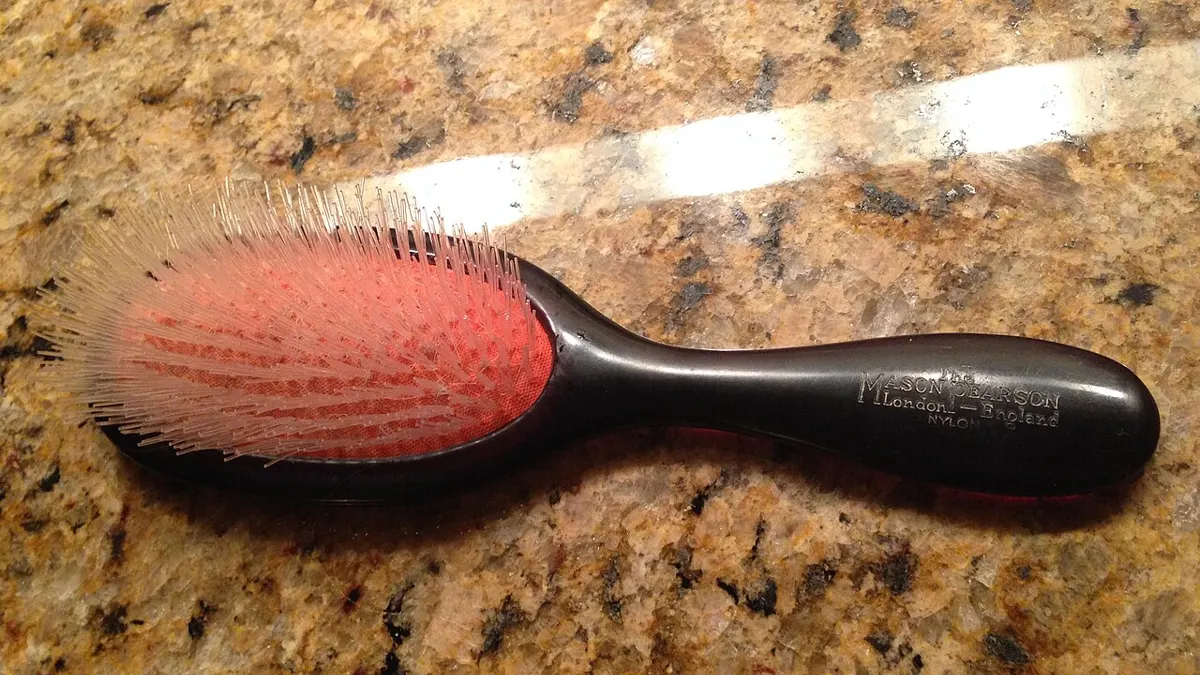
Yes, a hair follicle test can detect weed, and it's one of the main drugs employers use hair testing to look for. But the details matter more with marijuana than with almost any other drug. Labs aren't looking for THC itself, the amount that reaches hair is tiny, and how often you smoke changes the picture a lot. If you're trying to understand whether your hair will show anything, this guide explains what the lab measures, how far back it can see, how daily and occasional use compare, how edibles, vapes and secondhand smoke fit in, and how to find out your own status before the real test. We may earn a commission if you buy through our links.
The short answer
A hair test can detect marijuana use over roughly the last 90 days when the lab uses a standard 1.5-inch head hair sample. It's best at catching regular use. Heavy and daily users are very likely to test positive. Light or one-time use is detected less consistently, because the amount of THC metabolite that makes it into hair is extremely small and may fall under the lab's cutoff. "Less consistently" is not the same as "safe," and there's no way to know where you land without testing.
What the lab is actually looking for
When you use cannabis, your body breaks THC down into several compounds. The one hair labs care most about is THC-COOH, also called carboxy-THC. It's a metabolite your body makes, not something that sits in smoke, so finding it in hair points to the drug having passed through your body rather than just drifting onto your head from someone else's joint.
Some labs also look for THC itself. THC can stick to hair from smoke in the air, so on its own it isn't strong proof of use. That's why reputable labs rely on THC-COOH for a confirmed positive.
Why weed is harder for hair to "hold" than other drugs
Drugs reach hair mostly from the blood supply around the follicle while the strand is forming, plus some from sweat and oils on the scalp. How much ends up locked in the hair depends on the chemistry of the drug.
- Basic (alkaline) drugs like cocaine, methamphetamine and many opioids bind well to the pigment and proteins in hair, so they show up at relatively high levels.
- THC-COOH is acidic and binds poorly. The concentrations that end up in hair are often measured in picograms per milligram, that is, trillionths of a gram per thousandth of a gram of hair.
Because the amounts are so small, labs need very sensitive equipment and set marijuana cutoffs far lower than for other drugs. It also explains why research has found that infrequent users often fall below those cutoffs while daily users usually don't.
Cutoff levels, in plain words
Every lab runs two steps. A screening test flags samples that might be positive, and a confirmation test using mass spectrometry measures the exact compound. A sample only counts as positive if it passes both cutoffs.
For THC-COOH in hair, published guidelines and lab cutoffs are tiny. The confirmation cutoff is commonly set somewhere around 0.05 to 0.2 picograms per milligram depending on the lab and the guideline it follows, with the screening cutoff a bit higher. You don't need to memorize the numbers. The takeaway is that the bar is very low, which is how labs can detect weed despite how little reaches hair. Our cutoff levels table collects the published values in one place.
How far back can a hair test detect weed?
Head hair grows about half an inch per month, though it varies from person to person. Labs typically use the 1.5 inches closest to your scalp, which works out to around 90 days. Two quirks are worth knowing:
- The most recent week or so isn't in the sample. Hair that grew after your last use is still under the skin for several days before it emerges, so very recent use may not appear yet. That's one reason employers who care about this week use urine or mouth swab tests instead.
- Longer hair doesn't mean a longer test. Most labs stick to the first 1.5 inches even if your hair is to your shoulders, unless the employer asked for a longer window.
Body hair is different. It grows slower and can reflect use over a longer and less precise period, often quoted as up to about a year. If your head hair is too short, the collector may take body hair instead.
For a deeper look at timing, see our guide on how long it takes to pass a hair follicle test.
Daily, weekly or one time: how use pattern changes the odds
Research on cannabis in hair consistently points the same way: the more often and the more you use, the more likely THC-COOH clears the cutoff.
- Daily or near-daily use. Very likely to test positive over a 90-day window. This is the group hair tests are best at finding.
- A few times a week. Often positive, though results vary with dose, potency and your own body.
- Occasional use, a few times a month. Mixed. Some studies found a large share of light users testing below the cutoff. Others didn't. It's not something to bet a job on.
- A single time. Often below cutoffs in studies, but not always, especially with high-potency products.
Labs don't publish a "safe" number of hits, and anyone online who tells you exactly how many joints you can get away with is guessing.
Does it matter if you smoke, vape or eat it?
Smoking and vaping deliver THC quickly, and smoke can also coat hair from the outside. Edibles skip the smoke but are absorbed and metabolized more slowly, producing THC-COOH all the same. Because labs focus on the metabolite your body makes, switching from joints to edibles doesn't hide use from a hair test. Concentrates and dabs tend to deliver higher doses, which makes detection more likely, not less.
Secondhand smoke and contamination
Being around people who smoke can put THC on your hair, but it doesn't make your body produce THC-COOH. That's why confirmed positives depend on the metabolite. Labs also wash samples before testing to strip off surface residue. Studies where researchers deliberately exposed hair to smoke showed that THC can be absorbed from outside, but THC-COOH contamination is far less likely. If you truly think passive exposure is behind a result, tell the medical review officer (MRO), who reviews positive results before they go to the employer.
Does hair color or type matter?
Pigment matters a lot for drugs like cocaine and meth, which bind to melanin, so dark hair tends to hold more of them. THC-COOH binds less to melanin, so hair color seems to have a smaller effect for weed, though it isn't zero. Treatments like bleach, dye and perms can reduce levels somewhat, but studies show the effect isn't reliable, and those treatments damage hair. We cover that research on our page about hair dye and bleach before a hair test.
Delta-8, delta-9 and CBD on a hair test
Standard hair tests can't tell where THC came from. Delta-8 THC products, hemp-derived delta-9 and many "full spectrum" CBD products produce the same kind of metabolites, so they can lead to a positive. Pure CBD isolate is less likely to, but labeling in this market is often inaccurate. If you use any of these, assume they could show up.
Medical marijuana and state law
A medical card doesn't stop the lab from reporting THC, but some states limit what employers can do with the result. California, for example, bars most employers from acting on tests that only detect non-psychoactive cannabis metabolites, which describes most hair tests for THC. New York, Nevada and Washington have their own limits on pre-employment cannabis testing. Federal jobs and safety-sensitive roles are usually exempt. Laws change, so check your state's current rules.
Ad: we may earn a commission if you buy through this link. Information only, not medical or legal advice. Tampering with a drug test can be illegal and usually counts as a refusal. The only sure way to pass is to not use.
What the result actually tells an employer
A positive hair test for weed says that THC metabolite was found in your hair above the cutoff. It doesn't say you were high at work, how much you used or exactly when, beyond the general window the sample covers. Most employers get only a positive or negative report through the MRO, not the number. Whether a positive costs you a job depends on the company, the role and your state.
Can a shampoo remove weed from hair?
This is where a lot of searches lead, so here are the facts. TestClear sells Old Style Aloe Toxin Rid shampoo as a deep-cleansing product aimed at people facing hair tests. The maker's directions call for repeated washes over multiple days before the test. What TestClear claims is a deep clean of residues; what's not established is independent proof that it lowers THC-COOH inside the hair below lab cutoffs. Labs wash and dissolve hair before testing, so surface cleaning alone isn't the issue. We go through the directions and what's known in our Aloe Toxin Rid review and how-to-use guide.
You'll also see the Macujo and Jerry G methods recommended on forums. These are folk routines combining vinegar, acne cleansers, detergent and other products, and the Jerry G version uses bleach and dye. Neither is proven, both can burn your scalp and damage hair, and you should never mix bleach with vinegar, acids or other cleaners because the fumes can be dangerous. Our hair detox shampoo for weed page compares products and routines for marijuana specifically.
Before you spend money, test your own hair
The single most useful thing you can do is find out whether your hair would actually show weed. A home hair drug test kit lets you cut a sample, mail it to a lab and get a private result. If you're negative, you can relax. If you're positive, you have time to decide what to do, like waiting longer between your last use and the test, talking to the employer about a medical card where state law protects you, or looking at jobs that test differently. See our home hair test kit guide for how they compare.
A realistic way to think about timing
If you've stopped using, the clean hair is growing in from the root at about half an inch a month. After roughly three months, the 1.5 inches a standard test uses has mostly grown in after your last use. Until then, some of the sample likely still covers the time you were using. The math is rough because growth rates vary and the first week stays below the skin, so many people give themselves extra margin beyond 90 days if they can.
Myths you'll run into
- "Hair tests can't find weed." They can. It's one of the main things they're used for.
- "One hit always shows up." Not necessarily. Single use is often below cutoffs, but it isn't predictable.
- "Edibles don't show up in hair." They do. The lab looks for a metabolite your body makes from any form of THC.
- "Shaving your head beats the test." Usually it just means the collector takes body hair, which can cover a longer period.
- "Hanging out with smokers will make you fail." Unlikely for a properly confirmed THC-COOH result, though raw THC on hair is possible.
What happens to your sample, step by step
Knowing the process makes it easier to see why tricks rarely matter. At the collection site, the collector cuts a lock of hair close to the scalp, usually from the back of the crown, and lines up the root ends. The sample is sealed in foil and an envelope in front of you, and you sign the chain-of-custody form. At the lab, technicians cut the root-end 1.5 inches, wash the hair to strip surface residue, then dissolve or finely chop it to release what's inside. A screening test runs first. If it's above the screening cutoff, a second portion goes through mass spectrometry to confirm and measure THC-COOH. Only then does a medical review officer look at the result, ask about prescriptions or medical use, and report to the employer.
Hair, urine or mouth swab: which is most likely to catch weed?
Each test answers a different question.
- Urine catches recent use, from a few days for light users to several weeks for heavy daily users. It's the most common employer test.
- Mouth swab mostly catches use within roughly the last day or two, which is why some see it as closer to "recent impairment."
- Hair covers the longest window, about three months, but misses the last week or so and is weaker at catching a one-off.
So an occasional user who smoked last weekend might pass a hair test and fail a urine test, while a daily user who quit three weeks ago might pass urine and fail hair. Our comparison of hair follicle versus urine testing goes deeper.
If your hair test comes back positive for weed
Don't panic, and don't ignore the call from the medical review officer. Tell them about any prescriptions, medical marijuana card or hemp products you use, since some states protect card holders or limit how employers use THC results. You can usually ask whether a split or second sample can be tested, though a second hair sample collected the same week will likely show the same thing. If you live in a state that limits cannabis testing, an employment lawyer or your state labor department can tell you whether the employer is allowed to act on the result. And if you want to stop using, now is a good time to reach out for support.
Tests this page doesn't apply to
Don't use any shampoo, chemical or routine to try to change a DOT, FAA, federal, military, court, probation or parole test. Tampering or refusing in those programs can carry serious legal and career consequences.
If cutting back has been hard
Plenty of people find it tougher to take a break from weed than they expected. Sleep, appetite and mood often bounce around for the first couple of weeks. That's common, and support is available without judgment.
Disclaimer and support
This page is general information, not medical or legal advice. No product is proven to remove marijuana from hair, and the only sure way to pass a hair follicle test is not using. For free, confidential help any time, call the SAMHSA National Helpline at 1-800-662-4357. In a crisis, call or text 988.
Questions people ask
Can a hair follicle test detect weed?
Yes. Hair tests look for THC-COOH, a metabolite your body makes from THC, and can detect use over roughly the last 90 days with a standard head hair sample.
Will a hair test detect occasional weed use?
Sometimes. Daily users are very likely to test positive, while light or one-time use is detected less consistently because so little reaches hair. There's no safe amount you can count on.
How far back can a hair test detect weed?
About 90 days for a 1.5-inch head hair sample. Body hair can reflect a longer period, often up to about a year.
Do edibles show up on a hair test?
Yes. Edibles still produce THC-COOH, which is what labs look for.
Can secondhand smoke make me fail a hair test for weed?
It can put THC on your hair, but it doesn't create THC-COOH in your body, so a properly confirmed positive from passive exposure is unlikely.
Does Aloe Toxin Rid remove THC from hair?
TestClear sells it as a deep-cleansing shampoo, but there's no independent proof it lowers THC-COOH inside hair below lab cutoffs.
Ad: we may earn a commission if you buy through this link. Information only, not medical or legal advice. Tampering with a drug test can be illegal and usually counts as a refusal. The only sure way to pass is to not use.
No product can promise you a pass, and the only certain way is to not use. Tampering with a drug test can be illegal and is usually treated as a refusal. We never help anyone beat DOT, federal, safety-sensitive, or court-ordered tests. If substance use is getting on top of you, call the free, confidential SAMHSA National Helpline on 1-800-662-4357 (24/7, English and Spanish), or call or text 988 in a crisis. Source: samhsa.gov.