Hair Follicle Drug Test vs Urine: Windows, Cutoffs, Cost and Which One Is Harder to Pass
Old Style Aloe Toxin Rid, sold direct by TestClear. Read our how-to before you buy.
Ad: we may earn a commission if you buy through this link. Information only, not medical or legal advice. Tampering with a drug test can be illegal and usually counts as a refusal. The only sure way to pass is to not use.
If you've just found out your test is a hair test instead of the usual cup, the rules you may know from urine testing mostly stop applying. A urine screen mainly answers "has this person used in the last few days?" A hair follicle test answers "has this person used repeatedly over the last three months or so?" They catch different people, miss different things, cost different amounts and leave very different room for any kind of preparation. This guide compares the two honestly, point by point, so you know what you're actually facing. We may earn a commission from some links on this page; it doesn't affect our advice.
The one-sentence difference
Urine shows what your kidneys are clearing right now, which reflects recent use; hair shows what was built into each strand as it grew, which reflects a long stretch of history. Everything else in this comparison follows from that.
Side-by-side comparison
| Hair follicle test | Urine test | |
|---|---|---|
| Typical look-back | About 90 days (1.5-inch head-hair sample) | About 1-4 days for most drugs; longer for regular cannabis use |
| Catches very recent use? | Poorly; the last 7-10 days usually aren't above the scalp yet | Yes, that's its strength |
| Catches occasional use? | Often for cocaine, meth, opioids; less often for THC | Only if the use was in the last few days |
| Measured in | Picograms per milligram of hair (pg/mg) | Nanograms per milliliter of urine (ng/mL) |
| Collection | Small snip of hair cut close to the scalp, done in front of you | Cup sample in a restroom, usually unobserved for employment |
| Instant results possible? | No, lab only | Yes, rapid cups exist; labs confirm non-negatives |
| Typical turnaround | Several business days | Same day to a couple of days |
| Usual employer cost | Higher, often roughly double a urine panel | Lower |
| Main tampering risk labs watch for | Cosmetic treatment such as bleaching | Dilution, adulterants, substitution |
Detection windows in more detail
For urine, rough windows look like this: cocaine metabolites for about two to four days, amphetamine and meth for about two to four days, most opioids for one to three days, and THC anywhere from a few days for a one-off to several weeks for daily heavy use, because cannabis metabolites are stored in fat. Our sourced detection table lists ranges by drug.
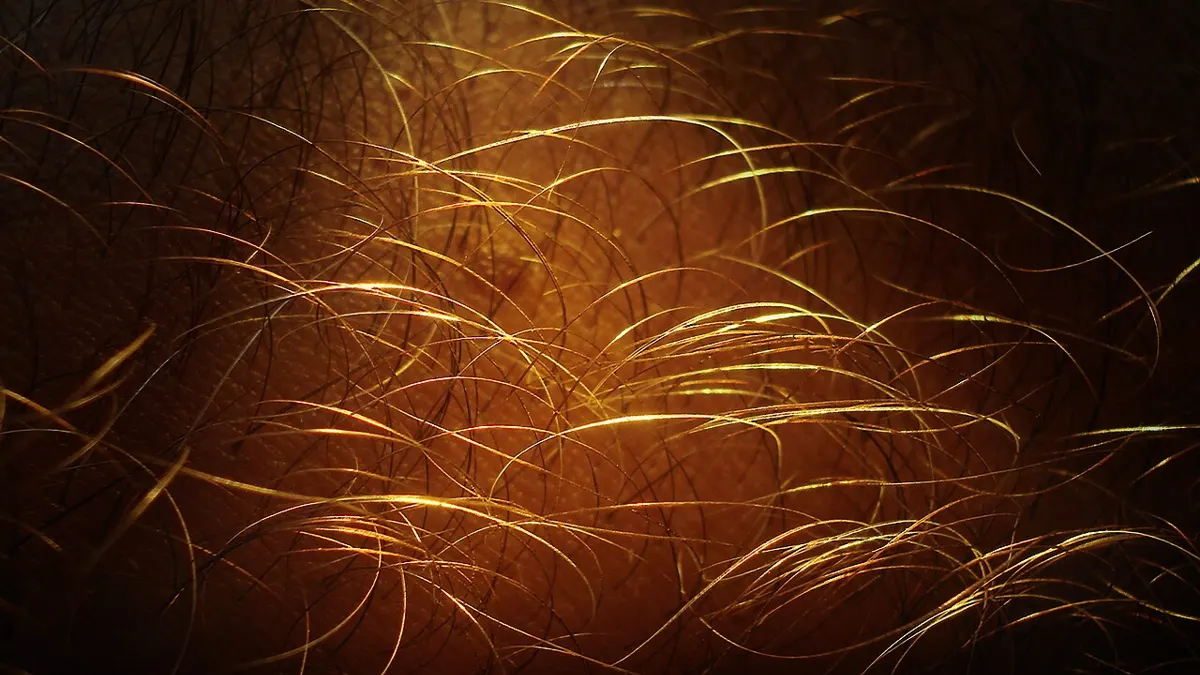
For hair, the window is set by growth rather than by metabolism. Head hair grows at roughly half an inch a month, and labs cut about 1.5 inches from the root, so the standard sample spans around three months. That's the same for nearly every drug on the panel. What differs between drugs is how much actually gets into the hair and therefore how likely a given amount of use is to cross the cutoff.
Which drugs each test is better at
Hair is excellent at cocaine, methamphetamine, amphetamine, MDMA and opioids such as heroin metabolites. Those compounds bind well to hair, especially pigmented hair. Hair is comparatively weak at cannabis: THC's main metabolite enters hair in very small amounts, so labs use extremely low cutoffs, and occasional users frequently test negative. Urine is the opposite in one key respect: for regular cannabis users it can stay positive for weeks, whereas for cocaine or meth it clears in days.
The practical upshot: a weekend of cocaine use a month ago is likely invisible to urine but likely visible to hair. A daily cannabis habit that stopped ten days ago may still show in urine and will almost certainly show in hair.
Cutoffs aren't comparable numbers
People sometimes compare "50" for THC in urine with a hair number and assume one test is stricter. They're measuring different things. Common urine screening cutoffs under federal workplace guidelines are 50 ng/mL for cannabis metabolite, 150 ng/mL for cocaine metabolite and 500 ng/mL for amphetamines. Hair cutoffs are expressed per milligram of hair, for example around 500 pg/mg for cocaine and amphetamines on a screen, and a tiny fraction of a picogram per milligram for confirmed THC metabolite. Our cutoff level table puts them side by side.
Which one finds more positives?
Large workplace testing datasets, including the Quest Diagnostics Drug Testing Index, have repeatedly reported higher positivity rates for hair than for urine. That's what you'd expect from a test with a three-month window versus one with a few-day window. It's also why some employers that switched from urine to hair saw more applicants screen out, and why hair is popular in industries that want to see long-term patterns rather than a single snapshot.
Which one is harder to cheat?
Hair. A urine collection usually happens out of sight, which is why labs check temperature, creatinine, specific gravity and pH, and look for adulterants. A hair sample is cut by the collector in front of you, sealed and signed for on the spot, so there's no swapping or diluting. The tampering concern labs have with hair is chemical treatment, which is why collectors may note bleached or freshly treated hair. Our page on dye, bleach and hair tests covers what the research shows.
Why the prep question is so different
With urine, waiting a few days changes the result for most drugs. With hair, waiting a few days changes almost nothing; the record of the last three months is already grown into the strands. That's the reason the hair-test market looks so different from the urine-test market. Instead of drinks and pills aimed at what's in your bladder this morning, it's dominated by deep-cleaning shampoos and multi-step routines aimed at the hair itself.
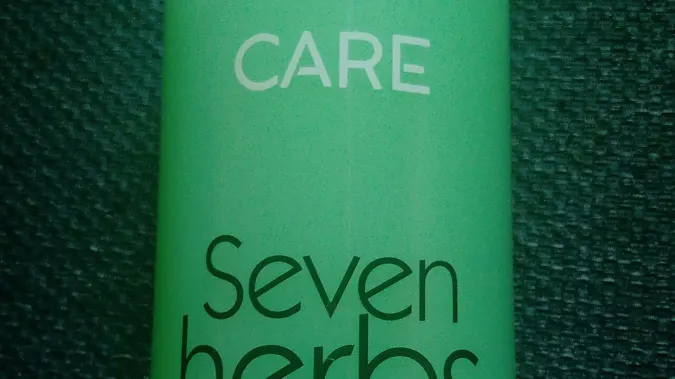
The best known of those is Old Style Aloe Toxin Rid from TestClear. The maker describes it as a deep-cleansing shampoo for removing residue and buildup from hair and scalp, and the directions call for a pre-wash, then lathering and leaving it on for 10 to 15 minutes, repeated multiple times a day over several days, often with Zydot Ultra Clean as a test-day finish. To be clear about the evidence: there's no independent, published proof that it lowers drug levels inside the hair shaft below lab cutoffs, and labs wash off surface contamination before testing anyway. If you'd like to see the product and bundle options, here's the Old Style Aloe Toxin Rid listing at TestClear, and our Aloe Toxin Rid review and how-to-use guide explains the label directions and limits in full. The only sure way to pass either kind of test is not to have used during its window.
A word on harsh routines
Some people layer vinegar, salicylic acid washes, laundry detergent or bleach on top of a detox shampoo, in routines known as the Macujo and Jerry G methods. These can irritate or burn the scalp, and there's no published evidence they produce a pass. If you ever handle these products, never combine bleach with vinegar, acids, ammonia or cleaning products; the fumes can be dangerous. Our Macujo method reviews describe the steps and risks without hype.
Ad: we may earn a commission if you buy through this link. Information only, not medical or legal advice. Tampering with a drug test can be illegal and usually counts as a refusal. The only sure way to pass is to not use.
Why an employer picks one over the other
- Hair suits employers who want to know about repeated use over months, want a sample that's hard to tamper with, and don't mind paying more and waiting longer for results. It's common in some transportation companies' own pre-hire policies, casinos, security and certain corporate roles.
- Urine suits employers who want low cost, fast turnaround, the ability to test after an accident or on reasonable suspicion, and alignment with federal rules, which are built around urine and, more recently, oral fluid.
- Both are sometimes used together, because urine catches the last few days that hair misses and hair catches the months that urine misses.
Recent use: the gap in hair testing
Because new growth takes a week or so to rise above the scalp, hair is poor at detecting use from the past several days. That's a known limitation, not a loophole worth planning around: employers aware of it often add a urine test, and the use will show in hair a couple of weeks later on any repeat test. For post-accident or reasonable-suspicion testing, urine or oral fluid is the standard because hair simply can't answer the "right now" question.
Body hair changes the hair-side numbers
If head hair is too short, collectors use chest, leg or underarm hair. Body hair grows more slowly and has a longer resting phase, so a body-hair sample can reflect use going back many months, often quoted as up to about a year. Urine has no equivalent; its window depends on the drug and your metabolism, not on where the sample comes from.
Cost and convenience for you as a test taker
A urine test means showing up, providing a sample and usually leaving within minutes. A hair test is also quick, often under ten minutes, but you'll need enough hair for the collector to take a pencil-thick bundle. If your hair is very short, expect them to look for body hair. Either way, bring ID and a list of any prescriptions you take, because a medical review officer will ask about them if anything comes back non-negative.
False positives and how each test handles them
Both tests use a two-step process: an initial screen, then confirmation by mass spectrometry for anything that screens positive. Rapid urine cups are more prone to cross-reactions from over-the-counter or prescription medicines on the first step, but lab confirmation sorts most of those out. Hair confirmation is similarly specific. External contamination is a bigger theme in hair testing, which is why hair labs wash samples and look for metabolites before reporting a positive.
Testing yourself first: which kit to use
Match your home test to the test you're facing. If your employer uses urine, a urine cup or strip gives you a quick read on the last few days. If they use hair, only a hair test tells you anything useful, because a negative urine result says nothing about the three months stored in your strands. A mail-in home hair test lets you cut a small sample near the scalp, send it to a lab and see the result privately before the real collection. That's the most sensible first step if you're unsure where you stand.
Common mix-ups
- "I passed a urine test last week, so I'll pass the hair test." Not necessarily. The windows barely overlap.
- "A 5-panel is a 5-panel." The drug list may match, but a 5-panel hair test and a 5-panel urine test look at completely different time frames. Our 5-panel vs 10-panel hair test guide explains panel names.
- "Hair tests catch everything forever." No. Standard head-hair tests look back about three months, and they're weak on light cannabis use.
- "Drinking lots of water helps with hair tests." Hydration affects urine concentration, not what's stored in hair.
Regulated programs
If your test is part of a DOT, FAA, federal, military, court, probation or parole program, don't try to influence it with any product or routine. A sample that appears tampered with can be treated as a refusal, with consequences that can match or exceed a positive. Speak with the program, an MRO, a treatment provider or a lawyer instead.
Our take
Hair and urine tests aren't harder or easier versions of the same thing; they ask different questions. Urine asks about the last few days, hair asks about the last few months. If you're facing a hair test, the honest planning tool is the calendar, plus a home hair test to check where you are. Products may be part of some people's plan, but none has independent proof behind it.
Disclaimer and support
This page is information only, not medical or legal advice. Tampering with a drug test may be illegal and can count as a refusal. The only guaranteed way to pass a hair or urine drug test is abstinence. For free, confidential support around the clock, call the SAMHSA National Helpline at 1-800-662-4357. In a crisis, call or text 988.
Questions people ask
Is a hair follicle test more accurate than a urine test?
Both are accurate when lab-confirmed. They measure different time frames: urine shows the last few days, hair shows roughly the last three months of repeated use.
Which is easier to pass, hair or urine?
For most drugs, urine, because its window is days rather than months. For a daily cannabis user who recently stopped, urine can stay positive for weeks too.
Can a hair test detect use from yesterday?
Usually not. Hair needs about 7 to 10 days to grow above the scalp, so very recent use is a urine-test job.
Why do employers use hair tests instead of urine?
Hair covers a longer period, is cut in front of the collector so it's hard to tamper with, and finds more repeated use. It costs more and takes longer.
Does passing a home urine test mean I'll pass a hair test?
No. A negative urine result says nothing about the months of history stored in hair. Use a home hair test if your real test is hair.
Do detox shampoos help with hair tests the way detox drinks are marketed for urine?
They're marketed that way, but there's no independent evidence any shampoo lowers drug levels inside hair below lab cutoffs.
Ad: we may earn a commission if you buy through this link. Information only, not medical or legal advice. Tampering with a drug test can be illegal and usually counts as a refusal. The only sure way to pass is to not use.
No product can promise you a pass, and the only certain way is to not use. Tampering with a drug test can be illegal and is usually treated as a refusal. We never help anyone beat DOT, federal, safety-sensitive, or court-ordered tests. If substance use is getting on top of you, call the free, confidential SAMHSA National Helpline on 1-800-662-4357 (24/7, English and Spanish), or call or text 988 in a crisis. Source: samhsa.gov.