Hair Detox Shampoo for Weed: What THC Hair Tests Look For and What Shampoos Can (and Can't) Do
Old Style Aloe Toxin Rid, sold direct by TestClear. Read our how-to before you buy.
Ad: we may earn a commission if you buy through this link. Information only, not medical or legal advice. Tampering with a drug test can be illegal and usually counts as a refusal. The only sure way to pass is to not use.
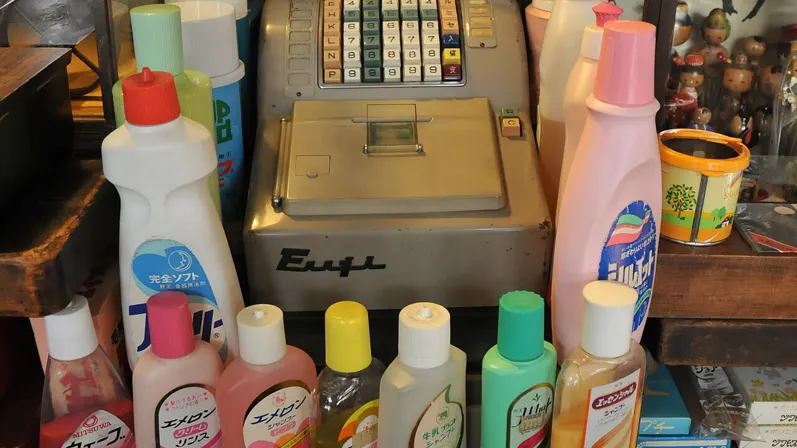
If you smoke or vape weed and you've got a hair follicle test coming, you've probably already found a dozen shampoos promising to "clean" your hair. Here's the plain version before we get into detail: no hair detox shampoo has independent proof that it lowers THC in hair below a lab's cutoff, and the only sure way through is not using. What is true, and what most sellers don't explain well, is that cannabis is the drug hair tests have the hardest time catching, so your odds depend far more on how much and how often you used than on which bottle you buy. This guide walks through how THC ends up in hair, what the popular shampoos claim, how people schedule them, and how to find out where you stand before collection day. We may earn a commission from some links on this page, and it doesn't change what we tell you.
Why weed is different on a hair test
Hair testing was designed with drugs like cocaine and methamphetamine in mind. Those compounds are basic, they bind strongly to melanin, and they get into the hair shaft in fairly large amounts. THC is the opposite. It's fat-soluble and slightly acidic, it binds poorly to hair, and the compound labs actually look for, the metabolite called THC-COOH, shows up in hair in extraordinarily small quantities.
Because the amounts are so small, labs set the cutoff for cannabis very low, typically around 1 picogram per milligram of hair on the screen and a fraction of that on the confirmation step. A picogram is a trillionth of a gram. Even with those tiny cutoffs, studies of hair testing have repeatedly found that occasional cannabis users often test negative, while heavy, daily users are much more likely to test positive.
That has two practical consequences for anyone shopping for a hair detox shampoo for weed:
- Light users are often fine without any shampoo. If you smoked a few times over the last three months, there's a real chance your hair never reached the cutoff in the first place.
- Heavy users are the ones with the most at stake, and they're the people for whom a shampoo is least likely to make the difference, because more of the metabolite is locked inside the hair rather than sitting on it.
Keep both of those in mind as you read reviews. A lot of "it worked for me" stories come from people who would have passed anyway.
How THC gets into your hair in the first place
There are three main routes, and they matter because a shampoo can only reach one of them well.
- From the bloodstream into the growing hair. Blood vessels feed the hair follicle under your scalp. While a strand is forming, small amounts of whatever is in your blood get trapped inside it. This is what a hair test is really measuring, and it's sealed inside the shaft.
- From sweat and sebum. Your scalp's oil and sweat carry some compounds that soak into hair after it emerges. This is closer to the surface, but it still works its way into the hair over time.
- From smoke in the air. Smoke can coat the outside of hair. This is one reason labs test for THC-COOH, the metabolite your body makes, rather than THC itself: smoke contains THC, but your liver is what makes THC-COOH. Smoke on your hair shouldn't, on its own, produce a metabolite positive.
Labs also wash every sample before testing, using their own solvents, specifically to strip off surface contamination. So the part of the problem that's easiest for a shampoo to reach is also the part the lab removes anyway. What decides your result is the metabolite already inside the hair.
What a hair test window looks like for weed
A standard test cuts about 1.5 inches (3.9 cm) of hair from close to the scalp. Head hair grows roughly half an inch a month, so that length represents about the last 90 days. A few timing points that often get missed:
- The newest week or so isn't in the sample. Hair that formed in the last 7 to 10 days is still below the skin when it's cut, so very recent use often isn't captured yet.
- Stopping today doesn't clear old hair. Hair that already grew while you were using keeps that record until it grows out past the 1.5-inch mark or gets cut off.
- Body hair is slower. If your head is shaved and the collector takes chest, arm, leg or armpit hair, the window can stretch much further back, often quoted at up to about a year.
For a fuller timeline, our page on how long it takes to pass a hair follicle test breaks it down month by month.
What "hair detox shampoo" actually means
The phrase covers several very different products sold under one label:
| Type | Examples | How it's used | What it can realistically do |
|---|---|---|---|
| Multi-wash detox shampoo | Old Style Aloe Toxin Rid | Many long-contact washes over several days | Deep cleansing; no independent proof it lowers THC inside hair |
| Single-use test-day kit | Zydot Ultra Clean | One session close to the test | Surface cleansing; no independent proof |
| Ordinary clarifying shampoo | Drugstore clarifiers, current Nexxus Aloe Rid | Regular washes | Removes buildup; not designed for drug tests |
| Multi-step "methods" | Macujo, Jerry G | Combine shampoos with household chemicals | Harsher on hair and scalp; still no reliable evidence |
When someone asks for the best hair detox shampoo for weed, they're usually asking about the first row. That's where Old Style Aloe Toxin Rid sits, and it's the product most forums mention by name.
Old Style Aloe Toxin Rid and weed: claims vs proof
TestClear, which sells the product, describes Old Style Aloe Toxin Rid as a deep-cleansing shampoo meant to remove residue, chemical buildup and toxins from hair and scalp. The routine it publishes calls for a pre-wash with regular shampoo, then a generous application left in for 10 to 15 minutes, repeated many times over the days before a test, with roughly 15 washes suggested and the whole bottle used. On test day it suggests finishing with Zydot Ultra Clean.
Here's how that lines up against what can be checked:
| What the seller says | What's actually established |
|---|---|
| It deep-cleans the hair shaft and scalp | Clarifying shampoos do remove oil, buildup and residue; that much is ordinary hair care |
| Many washes over days are needed | That's the maker's routine; there's no published study of how many washes change a result |
| It's the product people use before hair tests | True in forums; popularity isn't evidence |
| Results for THC specifically | We found no independent, peer-reviewed data showing it lowers THC-COOH in hair below cutoffs |
We'd be misleading you if we said it works or that it'll get you a pass. We can't, and neither can anyone else with honest data. If you decide to buy it anyway, the Old Style Aloe Toxin Rid listing at TestClear shows the current sizes and bundles. Our full Aloe Toxin Rid review and how-to-use guide covers the routine and its limits step by step.
Why people pick a shampoo for weed specifically
Forum threads about hair tests are dominated by cannabis users, and that's no accident. Weed is the most commonly used drug on most workplace panels, it's the one people are most likely to have used recently and casually, and because of the low binding we covered above, it's the drug where people feel they have a fighting chance. Someone who used cocaine heavily last month usually knows the odds are poor. Someone who smoked on weekends often believes a little extra cleaning will tip things their way.
That belief isn't completely baseless, but it's mostly about the drug, not the shampoo. Weekend users often come in under the cutoff on their own. When they pass after a week of washing, the shampoo gets the credit, but there was never a control test to show what would've happened without it.
How users estimate their risk (and why it's rough)
There's no formula that turns your habits into a hair result, but people generally sort themselves into bands like these. Treat this as a rough way to think, not a prediction:
| Use pattern over the last 90 days | How hair results tend to go |
|---|---|
| A handful of times total | Often below the THC cutoff, though not guaranteed |
| Weekly or a few times a month | Mixed; depends on amount, potency and the individual |
| Several times a week | More likely to test positive |
| Daily, or several times a day | Most likely to test positive |
| Edibles or concentrates in heavy amounts | Higher doses mean more metabolite; edibles aren't a loophole |
Hair colour plays a smaller role for THC than for drugs like cocaine, but it isn't zero. Individual metabolism, body fat and dose all shift things. That uncertainty is exactly why a home hair test before the real one is worth more than guessing.
The routine people describe with a weed hair test in mind
We're describing what people commonly do, based on the maker's label and the patterns in user reports. We're not promising it changes anything.
- Stop using as early as possible. Every day without use is another day of clean hair growing in at the scalp end, which is the part the lab cuts. This is the one step with a real biological reason behind it.
- Order early. Shipping times eat into the schedule. People who leave it late often end up cramming washes into a day or two.
- Spread the washes across several days. The maker's schedule runs from 3 to 10 days, with two or more washes a day if time is short.
- Use the full contact time. The 10 to 15 minutes of leave-in time is the core of the routine. A shower cap keeps lather from drying out or running into your eyes.
- Cut out smoke exposure. Avoid smoky rooms and cars during this period, mostly so your hair isn't picking up new surface residue.
- Swap hats, pillowcases, combs and towels. People worry about recontamination from items that touched their hair earlier. Clean ones cost almost nothing.
- Skip leave-in products on the day. Gels, oils and sprays add residue, and some collectors may comment on heavily styled hair.
If you only have a day or two, expectations should be very low. Our Aloe Toxin Rid and Zydot schedule page explains how people compress the routine and why it's a long shot.
What about cheaper shampoos for weed?
You'll see suggestions to use a drugstore clarifying shampoo, dish soap, dandruff shampoo, or baking soda pastes. Here's the honest picture on each:
- Drugstore clarifiers remove buildup. They're gentler on your wallet and your scalp, but they aren't formulated for drug tests and have no evidence for this purpose either.
- Dandruff shampoos with selenium sulfide or ketoconazole appear in some home routines. They're medicated products meant for scalp conditions; overusing them can irritate skin.
- Dish soap is a degreaser. It strips oil hard and dries hair out. It doesn't reach inside the shaft any better than shampoo.
- Baking soda pastes are part of the Jerry G and some Macujo variations. They're abrasive and alkaline, and leaving them on the scalp too long can cause irritation.
If cost is the main issue, the cheapest option that actually tells you something is a home hair test, not a bottle of anything. Our comparison of Aloe Toxin Rid alternatives goes through each of these in more detail.
Macujo and Jerry G for weed
These two methods come up in nearly every weed hair test thread. Both stack household products (vinegar, salicylic acid acne wash, laundry detergent, bleach in some versions) on top of a detox shampoo. People turn to them because they feel more aggressive than shampoo alone.
We describe them factually on our Macujo method reviews page. The short version for weed users: they're harder on your scalp and hair, they have no published evidence either, and there's a real chemical safety risk. Never mix bleach with vinegar, acids or household cleaners, since that can release toxic gases. If a step makes your scalp burn, stop and rinse with plenty of cool water.
Bleach, dye and weed
Research on cosmetic treatments has found that bleaching and perming can lower measured drug levels in hair by varying amounts. That's the source of the "just bleach it" advice. The catch is that the effect is inconsistent, it's been studied more for drugs other than cannabis, and even large reductions don't reliably bring results to zero. Heavy chemical treatment also damages hair and can be noticed. Our page on hair dye, bleach and hair tests covers what the studies show.
Ad: we may earn a commission if you buy through this link. Information only, not medical or legal advice. Tampering with a drug test can be illegal and usually counts as a refusal. The only sure way to pass is to not use.
Check before you spend: home hair tests for THC
The most useful thing you can do before buying any hair detox shampoo for weed is find out whether you'd be positive at all. A home hair test kit has you cut a small sample and mail it to a lab, which reports back on the same kind of panel employers use. If you come back negative, you may not need a shampoo routine. If you come back positive, you know exactly what you're up against and can make better decisions about timing.
A few tips if you go that route:
- Cut close to the scalp, the same way a collector would.
- Allow for lab turnaround and shipping when planning.
- Remember that a home result is a snapshot of that hair at that time.
Common myths about weed and hair tests
- "Secondhand smoke will make me fail." Labs look for THC-COOH, which your body makes. Passive exposure to smoke is very unlikely to produce a confirmed positive on its own.
- "Edibles don't show up in hair." They do. Swallowed THC is still metabolised to THC-COOH, which is what labs measure.
- "CBD will fail a hair test." Pure CBD shouldn't, but many CBD products contain trace or more-than-trace THC. Heavy use of a mislabelled product can matter.
- "Shaving my head beats the test." The collector usually takes body hair instead, which can cover a longer window. Some employers also treat it as a reason to reschedule or switch test type.
- "One wash the morning of will do it." Not even the people selling the products claim that. Their own routines run for days.
- "Delta-8 is legal so it won't count." Delta-8 THC can be metabolised into compounds that a cannabis screen picks up.
Delta-8, delta-9 and hair
A lot of people now use hemp-derived delta-8 or THC-A flower and assume a drug test won't treat it the same as marijuana. Hair tests typically target THC-COOH, and the metabolites of delta-8 are similar enough to cause positives on many screens, even if confirmation methods vary by lab. For workplace testing purposes, treat these products as you'd treat regular weed. Our page on delta-8 vs delta-9 test results covers how labs handle them.
Scalp and hair safety
Whichever product you pick, multiple long-contact washes a day take a toll. Signs that you should ease off include burning or stinging, redness, flaking that wasn't there before, unusual hair shedding or breakage, and any rash on your forehead, neck or ears. A few ways to reduce the damage:
- Use lukewarm, not hot, water.
- Condition the mid-lengths and ends after each wash if your hair is getting brittle.
- Keep products out of your eyes; rinse right away if any gets in.
- Don't add bleach or dye to a scalp that's already irritated from repeated washes.
- Stop and talk to a pharmacist or doctor if irritation is severe.
Weed hair tests by type of job
Hair tests are more common in some fields than others. You'll see them in some private-sector pre-employment programs, in certain casinos and gaming roles, in some financial and security positions, and in companies that want a longer lookback than urine gives. Many employers that use hair do so only at hiring, then switch to urine for random testing.
If your role is regulated, things are different. Don't use any shampoo or method to try to change a DOT, FAA, federal, military, court, probation or parole test. Those programs have strict rules, and tampering can count as a refusal with serious consequences. Talk to the program, a medical review officer or a lawyer instead.
Medical marijuana and hair tests
Having a medical marijuana card doesn't stop a hair test from detecting cannabis. Whether your employer has to accommodate legal medical use depends on your state's laws and the type of job. If you use cannabis under a doctor's recommendation, it's worth reading your state's rules and your employer's written policy before the test, and telling the medical review officer if you're given the chance. A shampoo routine isn't a substitute for understanding your legal position.
A realistic plan by how much time you have
| Time until test | What actually helps | What people add |
|---|---|---|
| 90+ days | Stopping now; new hair grows in clean | Usually nothing else needed if use has ended |
| 30 to 90 days | Stopping now; a home test closer to the date | Some start a shampoo routine in the final week |
| 7 to 30 days | Stopping now; home test to know your status | A multi-day Aloe Toxin Rid schedule |
| Under 7 days | Honest expectations; check your options with the employer | Compressed washing, Zydot on the day; very low confidence |
What happens if you test positive anyway
A positive screen usually goes to confirmation testing at the lab, then to a medical review officer, who may contact you about prescriptions or other explanations. For a pre-employment test, the outcome is often a withdrawn offer, and many employers let you reapply after a waiting period. Ask about the employer's policy before you assume the worst, and don't sign anything you don't understand. If you think the result is wrong, you can usually ask about retesting the split sample.
Why we're careful with the word "works"
You'll find hair detox shampoo reviews that say a product "works" or "guarantees" a pass. We won't say that, for two reasons. First, there's no independent evidence to support it, and we'd rather you spend your money knowing the odds. Second, the stakes are real: a job, a custody arrangement, a licence. You deserve straight information, not a sales pitch. The products are real, the routines are what the makers say, and the proof isn't there.
If cutting back has been tough
Sometimes a hair test lands at the same time as a nagging feeling that the habit has grown bigger than you meant it to. That's common, and help is easy to reach and confidential. You can talk it through without committing to anything.
Important disclaimer
This page is for information only and isn't medical or legal advice. Tampering with a drug test may be illegal in some places and can be treated as a refusal. No shampoo is proven to beat a hair test, and the only guaranteed way to pass is to not use. For free, confidential support 24 hours a day, call the SAMHSA National Helpline at 1-800-662-4357. If you're in crisis, call or text 988.
Questions people ask
Is there a hair detox shampoo that works for weed?
There's no independent proof that any shampoo lowers THC in hair below lab cutoffs. Old Style Aloe Toxin Rid is the most popular choice, but sellers' claims aren't backed by published studies. Stopping use is the only sure way.
Do hair tests catch occasional weed use?
Often not. THC binds poorly to hair, so light or occasional users frequently test below the cutoff. Daily users are much more likely to test positive.
How many days before a hair test should I start Aloe Toxin Rid?
The maker's schedule runs from 3 to 10 days before the test, with about 15 washes. That's the label's routine, not a guarantee of any result.
Can secondhand smoke make me fail a hair test for weed?
It's very unlikely on its own. Labs test for THC-COOH, a metabolite your body makes, and wash the hair first to remove surface contamination.
Does dish soap or dandruff shampoo clean THC out of hair?
There's no evidence they do. They strip oil from the surface but don't reach what's locked inside the hair shaft.
What's the cheapest smart step before a weed hair test?
A home hair test. It tells you whether you'd be positive at all, which may save you buying a shampoo routine you don't need.
Can I use a detox shampoo for a DOT or probation hair test?
No. Don't try to change a DOT, FAA, federal, military, court, probation or parole test. Talk to the program or a lawyer instead.
Ad: we may earn a commission if you buy through this link. Information only, not medical or legal advice. Tampering with a drug test can be illegal and usually counts as a refusal. The only sure way to pass is to not use.
No product can promise you a pass, and the only certain way is to not use. Tampering with a drug test can be illegal and is usually treated as a refusal. We never help anyone beat DOT, federal, safety-sensitive, or court-ordered tests. If substance use is getting on top of you, call the free, confidential SAMHSA National Helpline on 1-800-662-4357 (24/7, English and Spanish), or call or text 988 in a crisis. Source: samhsa.gov.