Macujo Method Hair Damage: Which Steps Hurt Hair and Scalp, Warning Signs and How to Recover
Old Style Aloe Toxin Rid, sold direct by TestClear. Read our how-to before you buy.
Ad: we may earn a commission if you buy through this link. Information only, not medical or legal advice. Tampering with a drug test can be illegal and usually counts as a refusal. The only sure way to pass is to not use.
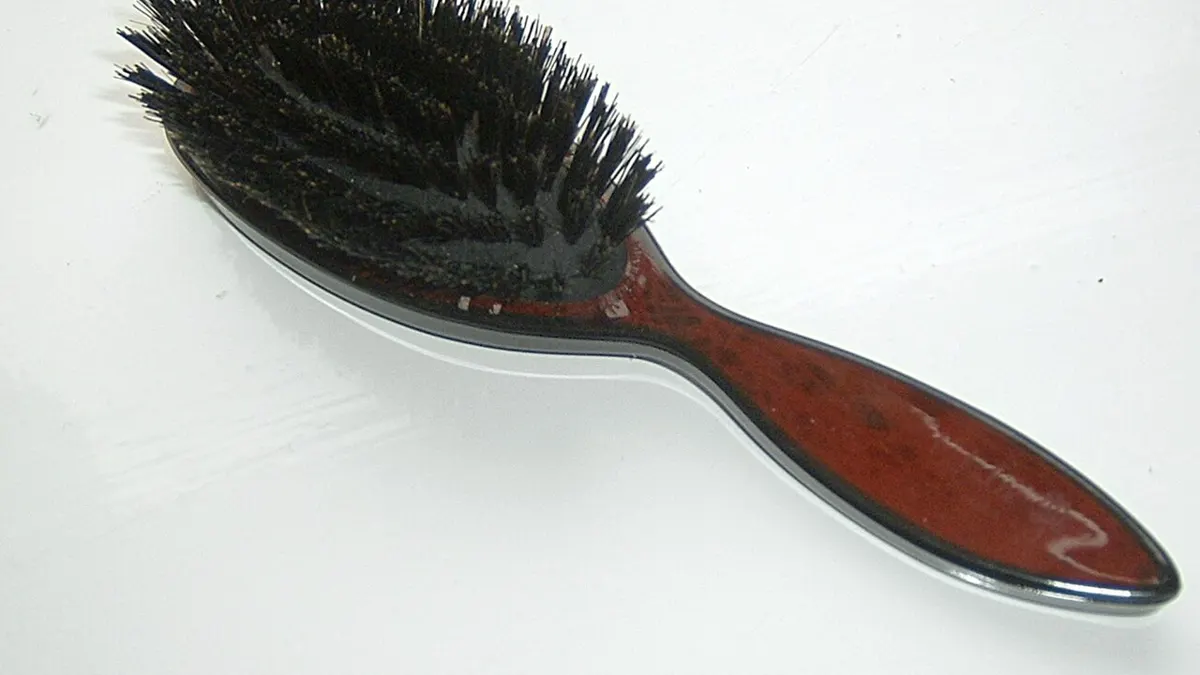
People who search "Macujo method hair damage" have usually seen the before-and-after photos: straw-like ends, a red, peeling scalp, curls that lost their pattern overnight. The Macujo method stacks several harsh cleaning products into one session and then repeats that session for days, so some damage is common, not rare. This guide walks through each product in the routine, what it does to the hair fiber and the skin under it, the warning signs that mean stop, how hair type changes the risk, and how to help your hair recover afterward. One fact sits above everything else here: no version of the Macujo method has independent proof that it beats a hair follicle test, so any damage you take on buys you an unproven outcome. The only sure way to pass is not using. We may earn a commission if you buy through our links.
The short answer on Macujo method hair damage
Yes, the Macujo method can damage hair, and it can irritate or burn the scalp. How much depends on how many sessions you do, which version you follow, how long each product sits on your head, and what shape your hair was in to begin with. Fine, color-treated, relaxed, curly and already dry hair takes the worst of it. A single gentle session on healthy, short hair may leave nothing more than dryness and frizz for a week. Five or six back-to-back sessions with detergent and an alcohol astringent can leave hair rough, tangled and snapping at the ends, with a scalp that stings for days.
The damage is usually temporary for the scalp and permanent for the hair that is already grown. Skin heals in days to a couple of weeks once you stop. The hair shaft is dead protein, so it does not repair itself. Conditioners can smooth it and make it look better, but truly broken or split hair only goes away when it grows out or gets trimmed off.
Why a cleaning routine can hurt hair at all
Hair looks simple but has layers. The outside is the cuticle, a stack of flat, overlapping cells that lie down like roof shingles. Under that is the cortex, the bulk of the strand, which holds most of the strength and the pigment. Some thicker hairs also have a soft core called the medulla. A thin layer of natural oil (sebum) and a bonded fatty layer on the cuticle surface help the strand shed water and slide past its neighbors without snagging.
Good hair care protects that outside layer. The Macujo method does the opposite on purpose. Its whole logic is to strip the surface, lift the cuticle and scrub away anything sitting on or near the outside of the strand. Each step does a little of that. Repeating all the steps several times a day, for several days, does a lot of it. Once the cuticle is chipped and lifted, the cortex loses water faster, the strands catch on each other, and normal combing starts breaking hairs that would have been fine a week earlier.
The scalp is a separate problem. It is skin, with its own protective acid mantle and oil layer. Scrubbing it with a salicylic acid face wash, soaking it in an alcohol astringent under a shower cap, and then working laundry detergent into it is a recipe for irritant dermatitis: redness, burning, tightness, flaking and sometimes small cracks or blisters.
The Macujo steps and what each one does to hair
There are two common versions. The original Macujo method, as published on originalmacujomethod.com, uses vinegar, a salicylic acid face scrub, a shower cap wait, Old Style Aloe Toxin Rid shampoo, liquid laundry detergent and Zydot Ultra Clean on test day. Mike's Macujo Method on macujo.com adds a baking soda paste, uses a spray astringent and repeats steps within each session. The damage comes from the same handful of ingredients in both.
White vinegar
Household white vinegar is about 5 percent acetic acid with a pH around 2.5. On its own, a diluted vinegar rinse is a fairly old beauty habit, and it can make hair feel smoother for a short time because a low pH helps the cuticle lie flat. Problems come from using it undiluted, rubbing it into an already scratched scalp, leaving it on for long periods, and doing it many times in a few days. Then it stings, dries the skin, and leaves the hair feeling coarse once the effect wears off.
Salicylic acid face wash or astringent
This is the step most often named in damage stories. Salicylic acid is a beta hydroxy acid that loosens and sheds dead skin cells, which is why it is sold for acne. Face washes and pads typically contain around 0.5 to 2 percent. Many astringents add a large share of alcohol. Spread over the whole scalp and left under a shower cap for 30 minutes, it can over-exfoliate the skin, leaving it raw and flaky. Alcohol-heavy products also pull water out of the hair shaft, which shows up as frizz and stiffness.
Liquid laundry detergent
Laundry detergent is designed to strip oil and grease from fabric in a washing machine. It contains strong surfactants, often enzymes, optical brighteners and fragrance, at concentrations never intended for skin contact. On hair it strips every trace of natural oil and can leave a residue that makes strands feel squeaky and rough. On the scalp it is a common trigger for contact dermatitis, and the fragrance and enzyme ingredients can set off an allergic reaction in sensitive people.
Baking soda paste
Baking soda has a pH around 8 to 9 and a gritty texture. An alkaline environment swells the hair fiber and lifts the cuticle, and the grit adds friction. Used once, most people notice dry, puffy hair. Used repeatedly, it adds up to roughness and breakage, especially on curly and textured hair.
Detox shampoos
Old Style Aloe Toxin Rid and Zydot Ultra Clean are clarifying products. TestClear describes Old Style Aloe Toxin Rid as a deep-cleansing shampoo that removes buildup, chlorine and minerals, and its directions call for a 10 to 15 minute contact time. Clarifying shampoos are stronger than everyday shampoos by design. One wash is not much of a risk for most people, but the method stacks many washes on top of the harsher steps above, so the shampoo becomes one more drying layer in an already drying routine.
Repetition and time
The single biggest damage factor is not one product. It is the number of sessions. Many Macujo guides call for doing the full routine several times, sometimes twice a day, in the days before a test. Hair can tolerate a harsh wash. It handles ten harsh washes in four days much less well, because there is no recovery time between them for the scalp to restore its oil and for the cuticle to settle back down.
Warning signs that mean stop now
Some discomfort gets brushed off as "the method working." It isn't. Stinging and peeling are signs of skin injury, not of anything leaving your hair. Stop the routine, rinse with cool water and switch to a mild, fragrance-free shampoo if you notice any of these:
- Burning that keeps going after you rinse, or burning that gets worse with each session.
- Blisters, weeping or open cracks on the scalp, hairline or behind the ears.
- Swelling of the scalp, forehead or eyelids.
- Hives or an itchy rash that spreads past where the products touched, which can mean an allergy rather than plain irritation.
- Hair coming out in clumps at the root, not just broken pieces in the sink.
- Gummy, stretchy wet hair that snaps when you pull it gently. That texture means the inner structure is badly weakened.
- Eye pain or blurred vision after runoff gets in your eyes.
Rinse eye exposure with clean running water for at least 15 minutes. Get medical care for eye pain that does not ease, for blisters or open sores, for swelling of the face, or for any sign of infection such as pus, spreading redness or fever. Poison control in the United States is 1-800-222-1222 if you are unsure whether a product exposure is dangerous.
Breakage versus shedding: what you are really seeing
After a run of Macujo sessions, a lot of people panic at the hair in the shower drain. It helps to tell two very different things apart.
Breakage is the hair shaft snapping somewhere along its length. The pieces are short, uneven and have no white bulb on the end. This is the usual Macujo result, caused by a lifted, weakened cuticle and lots of friction from scrubbing, towel drying and combing tangled hair. It is cosmetic, it does not affect future growth, and it improves as damaged lengths are trimmed and new hair grows in.
Shedding is a whole hair coming out from the root, with a small white or clear bulb at one end. Everyone sheds dozens of hairs a day, and long hair makes normal shedding look dramatic because each strand is long. A severe scalp burn or a strong allergic reaction can increase shedding for a while, and major stress can trigger a delayed shed a couple of months later. If you see patches of thinning, or shedding that seems far above your normal for more than a few weeks, see a doctor or dermatologist.
Scalp damage: irritation, burns and allergy
The scalp gets most of the pain. There are three things that can happen, and they look a bit different.
- Irritant contact dermatitis. This is the most common. Harsh products damage the outer skin barrier directly. It shows up as redness, burning, tightness, scaling and sometimes fine cracks. It usually starts during or soon after a session and gets worse with each repeat.
- Allergic contact dermatitis. Some people react to a specific ingredient, often fragrance, preservatives or enzymes in laundry detergent. The rash may be very itchy, may appear a day or two after exposure, and can spread beyond the scalp to the neck, ears and face.
- Chemical burn. Rare with the standard steps, but more likely when someone improvises with stronger products, leaves things on for hours, uses heat on top of chemicals, or adds bleach. Burns can blister, ooze and scar, and scarred scalp can lose hair permanently in that spot.
For mild irritation, stopping the routine, washing with lukewarm water and a gentle cleanser, and leaving the scalp alone is often enough. Plain fragrance-free moisturizers along the hairline can help. Persistent or severe reactions deserve a doctor, who may prescribe a short course of a topical steroid or other treatment.
Which Macujo steps cause the most damage
Readers often want a ranking so they can at least drop the worst steps. Based on what each product is and how it is used in the routine, this is a reasonable order from most to least likely to cause harm. It is a judgment from ingredient chemistry and common reports, not a measured study.
- Liquid laundry detergent. Strong surfactants, fragrance and enzymes, scrubbed into the scalp, often twice per session.
- Alcohol astringent or salicylic acid product left under a cap. Long contact time on broken skin, plus heat trapped by the cap.
- Baking soda paste in versions that use it. Alkaline swelling plus grit.
- Number of sessions. Not a product, but it multiplies everything above.
- Undiluted vinegar on an already irritated scalp.
- Clarifying detox shampoos. Drying, but designed for scalp contact and much milder than detergent.
If you compare that list with TestClear's own directions for Old Style Aloe Toxin Rid, you will notice the maker's plan uses only the bottom item. The harsher items all come from third-party Macujo write-ups, not from the shampoo label.
How hair type changes the risk
Curly, coily and kinky hair
Textured hair has more bends along each strand, and every bend is a weak point where the cuticle is more exposed. It also tends to be drier because scalp oil has a harder time traveling down a coiled strand. Stripping steps make that dryness much worse, and the extra tangling during scrubbing leads to more breakage. Many people with curly hair report that their curl pattern looked limp or frizzy for weeks after a Macujo run. Skip the baking soda entirely, keep hands-on scrubbing gentle, and work conditioner through with fingers rather than a fine comb afterward.
Relaxed or chemically straightened hair
A relaxer has already broken many of the internal bonds in the hair. That hair is weaker before you start. Adding alkaline, acidic and stripping steps on top raises the risk of breakage sharply, and a scalp that has recently been relaxed may already be sensitive. If your hair is relaxed, this is a routine to be especially cautious with.
Bleached, highlighted or dyed hair
Lightening opens the cuticle and breaks down the pigment and some of the protein in the cortex. Bleached hair is more porous, absorbs harsh products faster, and gets brittle quickly. Color-treated hair will also fade. Detergent and clarifying steps pull color out, and acids and alkalis shift the tone of dyed hair. Expect faded, brassy or patchy color, especially on reds and fashion shades.
Fine or thin hair
Fine strands have less cortex to lose, so the same amount of damage removes a larger share of each hair's strength. Fine hair also tangles into knots more easily when stripped. Breakage tends to show up early.
Thick, coarse and straight hair
These types usually tolerate a session or two better, but they are not immune. Coarse hair can still turn dry, rough and frizzy, and the scalp underneath is just as sensitive as anyone else's.
Locs, braids and extensions
Product trapped inside locs or under braids can sit against the scalp much longer than intended, which raises the irritation risk, and dense hair is very hard to rinse fully. Extensions and weaves can be damaged or loosened by harsh products, and the glue or thread underneath may react. Our page on hair follicle tests with dreads covers how collectors sample locs and how to protect them.
Bleach, Jerry G and why "extra strength" versions are the most dangerous
Some people combine the Macujo method with the Jerry G method, which involves bleaching and dyeing the hair, sometimes more than once. Others add their own experiments. This is where the worst injuries happen.
- Never mix bleach with vinegar, acids or other cleaners. Household chlorine bleach mixed with acids such as vinegar releases chlorine gas, and mixed with ammonia-based products releases chloramine gas. Both can injure the lungs. Do not do this in a bathroom, a sink or on your head.
- Hair bleach plus repeated stripping is a breakage combination. Lightening already makes hair porous and weak. Running harsh Macujo sessions right before or after can leave hair mushy when wet and brittle when dry.
- Back-to-back color processes raise the risk of scalp burns, especially on skin that is already raw from salicylic acid and detergent.
- Heat on top of chemicals, such as a hair dryer over a shower cap full of astringent, can push irritation into a burn.
Whatever you read online, do not use household bleach on hair or skin. If you choose to dye or lighten hair for any reason, a licensed stylist can judge whether your hair and scalp can handle it. Our page on hair dye, bleach and hair follicle tests explains what cosmetic treatments actually do to a test sample.
Does hair damage change a hair follicle test?
This is the part people really want to know, so here it is plainly. Research on hair testing does show that harsh cosmetic treatments, mainly bleaching and some perms and relaxers, can lower the amount of some drugs measured in a hair sample. That is one reason testing guidelines from groups such as the Society of Hair Testing tell labs to consider cosmetic treatment when interpreting results. It is also why some labs and collectors note visibly treated or damaged hair.
What that research does not show is that the Macujo method, or any shampoo routine, reliably brings a result under the cutoff. The studies look at treatments like bleach and perm solutions under lab conditions, and the size of the effect varies by drug, by dose, by how much was used and by the individual. Damaged hair is not the same thing as clean hair. A strand can be rough, faded and broken and still hold enough drug inside the cortex to screen positive and confirm.
Visibly damaged hair can also raise questions. An employer's policy may allow a collector to note it, take a different sample such as body hair, or require another kind of test. So damage is a cost with no guaranteed payoff.
A gentler approach if you go ahead anyway
We don't recommend the Macujo method and can't tell you it works. But some readers will try it, and we would rather they do it with less harm. These steps reduce the damage without making any promise about the test.
- Patch test every product on a small area behind the ear or on the inner arm 24 to 48 hours before using it on your whole scalp. Any redness or itching means skip that product.
- Drop laundry detergent. It is the most irritating item in the routine and was never designed for skin.
- Skip baking soda, especially on curly, relaxed or colored hair.
- Dilute vinegar with water rather than using it straight.
- Shorten contact times. If a step says 30 minutes, longer is not better. Stop sooner if anything burns.
- Do fewer sessions. The total count drives damage more than any single wash.
- Protect your skin. Gloves for your hands, petroleum jelly along the hairline and ears, a towel around the neck, and your head tilted back when rinsing.
- No heat. Don't blow-dry over a cap or flat-iron hair that is already stripped.
- Condition after each session with a rich, rinse-out conditioner, and finish with a light leave-in if your hair is dry or curly.
- Detangle gently with fingers or a wide-tooth comb, starting from the ends.
Where Old Style Aloe Toxin Rid sits in all this
Old Style Aloe Toxin Rid is the shampoo most Macujo guides name today. It is sold by TestClear and Toxin Rid. Here is what TestClear presents, and what is and isn't established.
- What TestClear claims: a deep-cleansing shampoo that removes residue, buildup, chlorine and minerals from hair.
- Maker's directions: start with regular shampoo, then apply Old Style Aloe Toxin Rid to damp hair, massage it into the scalp and roots, leave it for 10 to 15 minutes, rinse with lukewarm water and condition if needed.
- Schedule: TestClear describes daily use for several days leading up to a test, more often if time is short, and pairing it with Zydot Ultra Clean on test day.
- What isn't proven: no independent published study shows the shampoo, alone or inside a Macujo routine, beats a hair follicle test. Reviews are anecdotes without known doses, timelines or lab methods.
From a hair damage point of view, the maker's own directions are a far gentler plan than a full Macujo session. There is no detergent, no astringent soak under a cap, no baking soda and no vinegar. If your goal is a deep-clean shampoo routine with the least harm to your hair, that is the route the seller itself describes. You can check Old Style Aloe Toxin Rid and its directions at TestClear. We go through the bottle, the schedules and the honest limits in our Aloe Toxin Rid shampoo review and how-to guide.
Even the gentler route is drying, because it is a clarifying shampoo used many times in a row. Use a good conditioner afterward, and stop if your scalp gets sore.
Test yourself first
Before taking on any hair damage at all, it is worth knowing where you stand. A home hair follicle test kit lets you send a sample to a lab and get a result before the real test. If you test negative, you can skip the routine entirely and keep your hair healthy. If you test positive, you have information to plan with, including how much time you may need. Our guide to the best hair follicle drug test kits explains how home hair tests work and what to look for, and our page on how long it takes to pass a hair follicle test covers the 90-day window and hair growth math.
Recovering from Macujo method hair damage
Once the test is over, or once you decide to stop, the goal is to calm the scalp and make the existing hair as comfortable and manageable as possible while new, undamaged hair grows in. Here is a practical order of operations.
First 48 hours: calm the scalp
- Stop every harsh product, including the detox shampoo.
- Rinse with lukewarm or cool water. Hot water strips more oil and makes irritated skin sting.
- Wash only when needed, with a mild, fragrance-free, sulfate-free shampoo.
- Don't scratch or pick at flakes. Peeling skin underneath is still healing.
- Leave styling products, dry shampoo, gels and sprays off the scalp for a few days.
- If you have plain petroleum jelly or a fragrance-free ointment, a thin layer on cracked spots along the hairline can protect them.
First two weeks: rebuild moisture and slip
- Condition every wash. Rinse-out conditioners with ingredients such as cetyl or stearyl alcohol (fatty alcohols, which are not drying), silicones or plant oils coat the cuticle and reduce friction.
- Deep condition once or twice a week with a mask left on for the time on the label.
- Use a leave-in on dry or curly hair, focused on the lengths and ends.
- Pat, don't rub. A soft cotton T-shirt or microfiber towel causes less friction than a rough bath towel.
- Air dry when you can, or use the cool setting.
- Sleep on satin or silk, or wrap hair in a satin scarf, to cut friction overnight.
Protein or moisture?
Damaged hair can need both, but in balance. Stripping steps mainly remove oil and lift the cuticle, so most people need moisture and slip first. If your hair feels stretchy and gummy when wet, a light protein treatment (products with hydrolyzed keratin, wheat, rice or silk protein) can temporarily patch weak spots. If your hair feels stiff and straw-like after protein, back off and go heavier on moisture. Don't stack strong protein treatments every day, because too much can make hair brittle too.
Trim what won't come back
Split ends and badly broken lengths will not knit back together. Products can glue splits temporarily, but they reopen. A trim of the most damaged ends, often half an inch to a couple of inches, removes the part that keeps tangling and snapping, which helps the rest of the hair survive. If damage is severe, a stylist can tell you how much needs to go.
Give color time
If your color faded or turned brassy, wait until the scalp is fully calm before any new dye or toner. Coloring irritated skin raises the risk of a reaction. When you do recolor, tell the stylist about the recent harsh routine so they can adjust.
How long Macujo method damage lasts
Every head is different, but here are realistic ranges based on how skin and hair work.
| Problem | Typical timeline after you stop | What helps |
|---|---|---|
| Scalp redness and stinging | A few days to about two weeks | Gentle cleanser, cool water, no fragrance; see a doctor if it worsens |
| Flaking and peeling | One to three weeks | Leave it alone, mild shampoo, don't scratch |
| Dryness and frizz | Improves over days to weeks with conditioning | Conditioner, masks, leave-in, less heat |
| Faded or brassy color | Permanent until recolored or grown out | Wait for the scalp to calm, then recolor |
| Split ends and breakage | Permanent on existing hair | Trim, gentle handling, time |
| Increased shedding after a bad reaction or stress | Can start weeks later and settle over a few months | Dermatologist if it is heavy or patchy |
Head hair grows roughly half an inch a month on average. So if the lengths are badly damaged, it can take many months, or longer for long hair, before everything damaged has been trimmed away and replaced.
Common mistakes that make damage worse
- Doubling up because the first session didn't feel strong enough. Burning is not a sign of progress.
- Leaving products on longer than the steps say, or overnight.
- Using powdered detergent, dish soap or industrial cleaners in place of the products named in a guide.
- Scrubbing hard with nails. Use fingertip pads. Scratches let products sting deeper and raise the risk of infection.
- Combing wet, tangled hair from the root down, which rips through knots and snaps strands.
- Hot tools right after a session. Stripped hair has nothing protecting it from heat.
- Skipping conditioner because a video said it would "reseal" the hair. Conditioner protects the strand from mechanical damage.
- Ignoring an allergy. If a rash spreads or swells, stop. Allergic reactions can get stronger with each exposure.
- Mixing chemicals in one bowl. Products are meant to be used one at a time and rinsed between steps. Never mix bleach with anything.
Myths about Macujo damage
"If it burns, it's pulling toxins out." No. Burning is your skin reacting to irritation. Nothing about the sensation tells you what is happening inside the hair shaft.
"Hair will heal once the cuticle closes back up." A lifted cuticle can lie flatter with a low-pH rinse and conditioner, but chipped and missing cuticle cells don't regrow. The strand is not living tissue.
"Natural products can't hurt you." Vinegar and baking soda are kitchen staples, but strong acids and bases are still hard on skin and hair when used often and left on.
"A damaged look proves it worked." Damage and a negative test result are unrelated. Damaged hair can still test positive.
"Conditioner undoes the detox." There is no evidence that conditioning after a session reverses anything. It reduces breakage, which is the part you can actually control.
Ad: we may earn a commission if you buy through this link. Information only, not medical or legal advice. Tampering with a drug test can be illegal and usually counts as a refusal. The only sure way to pass is to not use.
Original Macujo versus Mike's version: which is harder on hair
Both versions are harsh, but they spread the harm differently.
- The original version on originalmacujomethod.com relies on vinegar, a salicylic acid face scrub left under a shower cap, Old Style Aloe Toxin Rid and a laundry detergent wash. The big risks are the long acid-and-cap wait and the detergent.
- Mike's Macujo Method on macujo.com adds a baking soda paste, uses a spray astringent left for 30 minutes, and repeats the astringent and detergent steps twice inside one session. That means more contact time with the harshest products per session.
On paper, Mike's version puts more total stress on hair and scalp per session because of the repeats and the alkaline paste. In practice, the number of sessions you do matters even more than which version you pick. Three sessions of either version will do more harm than one.
Comparing your options by hair damage, time and evidence
| Option | Hair and scalp impact | Time involved | Independent evidence it beats a hair test |
|---|---|---|---|
| Abstinence and waiting out the window | None | Roughly 90 days of new growth for head hair, longer for body hair | Yes, this is how hair tests are designed to work |
| Home hair test first | None | Days, including lab turnaround | Not a pass method; it tells you where you stand |
| Old Style Aloe Toxin Rid on the maker's schedule | Drying; usually mild to moderate with conditioning | Several days of washes, 10 to 15 minutes each | No independent proof |
| Full Macujo method, one session | Moderate dryness and irritation | About an hour or more | No independent proof |
| Full Macujo method, many sessions over days | High risk of breakage, frizz, faded color and scalp dermatitis | Several hours over several days | No independent proof |
| Macujo plus bleach and dye (Jerry G style) | Highest risk of severe breakage and scalp burns | Several hours, often over days | No independent proof; bleach can lower some readings but does not guarantee a negative |
What a collector or employer may notice
A hair collector cuts a small sample, usually from the crown, close to the scalp. They see the hair up close. Very dry, broken, freshly bleached or obviously stripped hair is not hard to spot. What happens next depends on the employer's policy and the lab, not on anything you can control in a bathroom. Some programs simply collect and send. Others allow the collector to note cosmetic treatment, collect body hair instead, or ask for another type of test. Being calm, polite and honest about recent hair treatments if asked is the sensible approach, and lying on any official form can create bigger problems than a test result.
If your test is very soon
When someone has two or three days before a test, the temptation is to cram as many sessions as possible into that time. That is exactly the pattern that causes the worst damage, because the scalp gets no recovery between rounds and burns stack on top of each other. If you are short on time, do these first:
- Find out the test type for sure. Many employers use urine tests, and a lot of advice online is for the wrong test.
- Read the employer's written policy if you can. Some describe their process, the panel and what happens with a positive.
- If you can, take a home hair test so you are not guessing.
- If you are going to use a shampoo at all, the maker's Aloe-only directions are much easier on hair than a stacked Macujo routine.
- Protect your scalp. A blistered, oozing scalp the morning of the test is a bad outcome by any measure.
Kids, teens and medical conditions
Don't use Macujo steps on children. Their skin is thinner and more reactive. Anyone with eczema, psoriasis or seborrheic dermatitis on the scalp, an active scalp infection, a recent sunburn on the scalp, or a known allergy to fragrance or detergent should expect a stronger reaction and is better off avoiding the routine. People taking medicines that make skin fragile, such as isotretinoin or long-term topical steroids, should talk to their doctor before using any strong exfoliant on the scalp.
Questions to ask before you start
- Do I know for certain this is a hair test, and which panel?
- Have I checked whether I would even test positive?
- Is this a test the method should never be used for, such as DOT, federal or court testing? (See the list below.)
- What shape is my hair in right now? Is it colored, relaxed, curly, fine or already dry?
- Do I have any skin conditions or allergies on the scalp?
- Am I prepared to lose length, color or curl pattern for an outcome nobody can promise?
- Do I have a plan for aftercare and a trim?
Why there is no good data on Macujo damage either
No clinical study has followed people doing the Macujo method and measured hair strength or scalp injury. What exists is ingredient science, dermatology knowledge about irritants like surfactants, acids and alcohol, and a large number of personal posts. Those posts are useful for spotting patterns, such as curly hair suffering more and detergent stinging the most, but they come with the usual problems: people rarely report exact products, times or how many sessions they did. Treat any "it didn't hurt my hair at all" or "it destroyed my hair" story as one person's experience, not a rule.
A note on pressure and decisions
A looming hair test, especially for a job you need, can push people into choices they would never make otherwise. If you notice yourself planning to use stronger and stronger chemicals, or to keep going through pain, step back. A job may come around again. A scalp scar or a chemical gas exposure is harder to undo. If substance use itself is causing stress or problems in your life, the SAMHSA National Helpline is free, confidential and open 24/7 at 1-800-662-4357.
A simple wash plan for the month after
Once the harsh steps are behind you, keep things boring for a while. Wash two or three times a week, or as often as your scalp actually needs, with a mild shampoo on the scalp only, and let the suds run through the lengths rather than scrubbing them. Follow with conditioner from the ears down, leave it for a few minutes, and rinse with cool water. Once a week, swap the regular conditioner for a mask. Skip clarifying products, dry shampoo and strong exfoliating scalp scrubs for at least a month. If your scalp still itches or flakes after two weeks of this, a dermatologist can tell whether irritation turned into something like seborrheic dermatitis that needs its own treatment.
Why detergent and skin don't mix
It is worth a closer look at the one product nearly every damage story mentions. Surfactants are the molecules that let water lift oil and dirt. Everyday shampoos use them too, but in milder blends and lower amounts, balanced with conditioning agents and a pH close to skin. Laundry detergents are built for a different job. They pack higher surfactant levels to pull grease from fabric, often add enzymes that break down protein and starch stains, and include fragrance and brighteners that cling to cloth on purpose. Skin and hair are made largely of protein and fat, so a product designed to dissolve protein and fat stains is a poor match for them. Dermatologists see detergent-related hand eczema all the time in people who wash clothes or dishes without gloves. Rubbing detergent into the scalp, the thinnest and most absorbent skin many people will ever put it on, invites the same reaction.
A safety-first supply checklist
- Nitrile or rubber gloves
- Plain petroleum jelly for the hairline and ears
- Cotton balls for the outer ears
- An old towel for the neck and shoulders
- A cup of clean water within reach for eye rinsing
- A fan or open window for ventilation
- A wide-tooth comb
- A rich rinse-out conditioner and a leave-in for afterward
- A mild, fragrance-free shampoo for the recovery days
- A timer so no step runs long
Notice what is not on that list: bleach, ammonia cleaners, dish soap, washing soda, borax or any product you would need to mix with another. If a guide asks for any of those, close the tab.
Body hair and shaved heads
If head hair is too short or missing, collectors can take hair from the arms, legs, chest or underarms. Body hair grows in different cycles and often reflects a longer window than head hair. People who shave their heads to avoid a test often end up giving a body hair sample instead. Running Macujo steps on body hair spreads irritation across a much larger area of skin, including places like the underarms and chest where the skin is thin and the products sting more. That is a lot of discomfort for no proven benefit.
For ordinary deep cleaning, gentler tools exist
Many people who look into the Macujo method also just want to reset hair weighed down by styling products, hard water or chlorine. For that everyday goal, a regular clarifying shampoo once a week or so, followed by conditioner, does the job with very little risk. Chelating shampoos made for swimmers or hard water remove mineral film. None of these is a drug test product, and none promises anything about a test. They are simply better choices for routine buildup than a multi-product stripping session.
Our sourcing
Macujo steps described here come from the routines published on originalmacujomethod.com and macujo.com when we checked in October 2026. Old Style Aloe Toxin Rid claims and directions come from TestClear's product page. Information on hair structure, cosmetic damage and irritant and allergic contact dermatitis reflects standard dermatology and hair science references, and the point about cosmetic treatments and hair test interpretation reflects published hair testing research and Society of Hair Testing guidance. We have not tested any routine on real samples and we don't publish testimonials. Our full process is on the editorial methodology page.
Related reading
- Old Style Aloe Toxin Rid review and directions
- Macujo method reviews
- The Macujo method baking soda step
- How long the Macujo method lasts
- Does Zydot work for a hair test
- Best hair follicle drug test kits
Tests this page does not apply to
Do not use the Macujo method, Jerry G steps, detox shampoos or any product on this page for DOT-regulated tests (truck drivers, CDL holders, rail, transit, pipeline, maritime), FAA aviation testing, federal employee programs, military testing, or court, probation and parole testing. Tampering with those programs can count as a refusal, can be illegal and can carry serious consequences.
Disclaimer and support
Informational only, not medical or legal advice. If you have a scalp injury, a spreading rash, eye exposure or signs of infection, see a doctor. Tampering with a drug test may be illegal and can count as a refusal or failed test. The only guaranteed way to pass is abstinence. Free, confidential help is available 24/7 from the SAMHSA National Helpline at 1-800-662-4357, and you can call or text 988 if you're in crisis.
Questions people ask
Does the Macujo method damage your hair?
It can. The routine stacks vinegar, a salicylic acid product, laundry detergent and clarifying shampoo, sometimes with baking soda, and repeats them for days. Common results are dryness, frizz, tangling, breakage, faded color and an irritated or peeling scalp. Curly, relaxed, colored and fine hair is hit hardest.
Which Macujo step is the most damaging?
Liquid laundry detergent is usually the harshest, followed by an alcohol astringent or salicylic acid product left under a shower cap, and the baking soda paste in versions that use it. The total number of sessions multiplies all of it.
Will my hair grow back after the Macujo method?
In most cases, yes. Typical Macujo damage is breakage of the hair shaft, which doesn't affect the follicle, so new hair keeps growing. A severe chemical burn can scar the scalp and cause permanent loss in that spot, so get medical care for blisters or open sores.
How long does Macujo scalp irritation last?
Mild redness and stinging usually settle within a few days to about two weeks after you stop, and flaking within one to three weeks. Worsening pain, swelling, oozing or a spreading rash needs a doctor.
How do I fix hair damaged by the Macujo method?
Stop harsh products, wash with a mild fragrance-free shampoo in lukewarm water, condition every wash, deep condition weekly, avoid heat and rough towels, and trim split and broken ends. Damaged lengths don't heal, but they can be managed until they grow out.
Is it normal for the Macujo method to burn?
Burning is common, but it is a sign of skin irritation, not of the routine working. Rinse with cool water and stop if it persists, blisters or gets worse with each session.
Does damaged hair help you pass a hair follicle test?
There's no guarantee. Research shows harsh cosmetic treatments like bleach can lower some drug readings, but damaged hair can still test positive, and visibly stripped hair may be noted by a collector. No Macujo routine is independently proven to beat a hair test. The only sure way to pass is abstinence.
Is Aloe Toxin Rid alone gentler than the Macujo method?
Yes. TestClear's directions for Old Style Aloe Toxin Rid use only the shampoo with a 10 to 15 minute contact time, without detergent, astringent soaks, baking soda or vinegar. It is still a drying clarifying shampoo, so condition afterward, and it has no independent proof of beating a hair test.
Can I use the Macujo method for a DOT or court test?
No. Don't use any detox routine for DOT, FAA, federal, military, court, probation or parole tests. Tampering can count as a refusal and may be illegal.
Ad: we may earn a commission if you buy through this link. Information only, not medical or legal advice. Tampering with a drug test can be illegal and usually counts as a refusal. The only sure way to pass is to not use.
No product can promise you a pass, and the only certain way is to not use. Tampering with a drug test can be illegal and is usually treated as a refusal. We never help anyone beat DOT, federal, safety-sensitive, or court-ordered tests. If substance use is getting on top of you, call the free, confidential SAMHSA National Helpline on 1-800-662-4357 (24/7, English and Spanish), or call or text 988 in a crisis. Source: samhsa.gov.