Detox Shampoo Before and After: What Changes After One Wash, One Week and a Month
Old Style Aloe Toxin Rid, sold direct by TestClear. Read our how-to before you buy.
Ad: we may earn a commission if you buy through this link. Information only, not medical or legal advice. Tampering with a drug test can be illegal and usually counts as a refusal. The only sure way to pass is to not use.
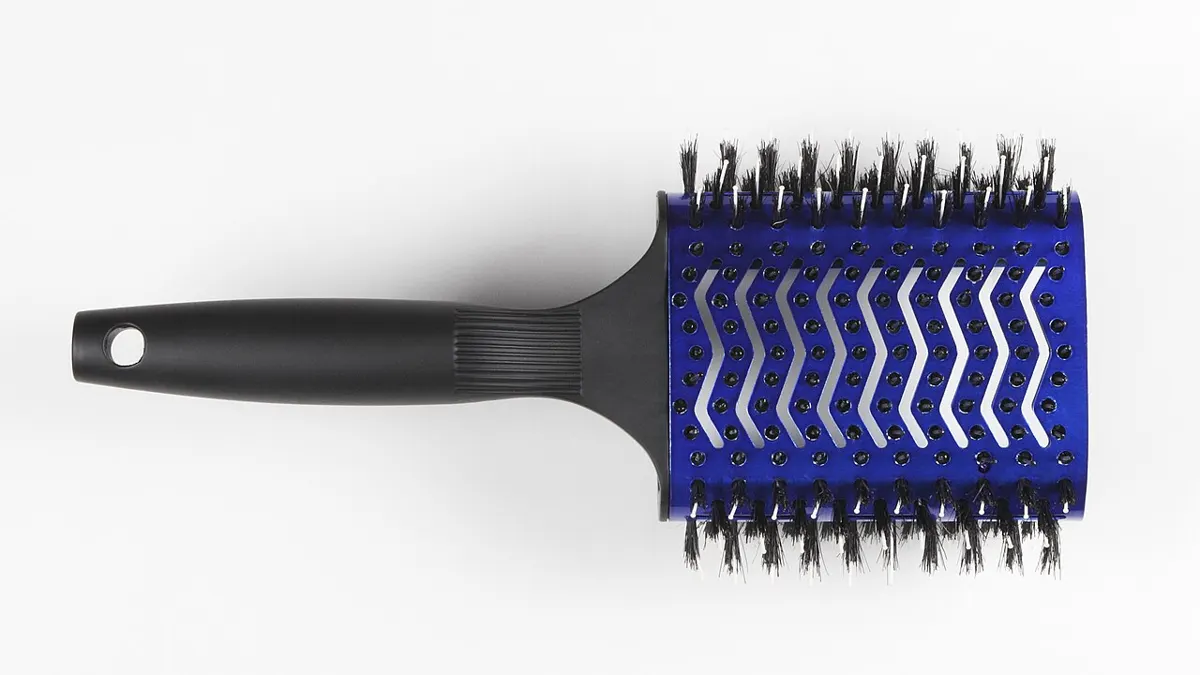
Before-and-after photos of detox shampoo can look dramatic: flat, dull hair on the left, bouncy shiny hair on the right. Some of that is real. A good detox or clarifying wash strips away product film, oil and hard-water minerals, and hair that's been coated for months often looks lighter and fuller right away. Some of it is lighting, styling and a fresh blow-dry. This guide walks through what you can honestly expect after the first wash, the first week and the first month, what it can't change, and how drug-test shampoos fit into the picture.

What "before" usually looks like
People reach for a detox shampoo when their hair has stopped behaving. The common signs are easy to spot once you know them:
- Roots that look greasy a day after washing, even though the ends feel dry.
- Hair that feels waxy, sticky or heavy, and won't hold a curl or volume.
- A dull, flat color, or blonde that has drifted brassy or green.
- Flaky or itchy scalp from dry shampoo, gel or hairspray buildup.
- Products that used to work suddenly seeming to do nothing.
All of these come from something sitting on the hair or scalp: silicones, oils, styling polymers, sebum or minerals from hard water. That's exactly what a detox wash is built to lift off.
After the first wash
The biggest visible jump happens on day one. Expect:
| What you'll notice | Why it happens |
|---|---|
| Lighter, airier hair with more root lift | Coating that weighed each strand down is gone |
| A squeaky, almost rough feel while rinsing | The surface is truly bare, with no slip from silicones |
| Brighter or truer color, especially on blonde and gray | Mineral and product film no longer dulls the shade |
| A cleaner-feeling scalp | Oil and residue around follicles are rinsed away |
| Ends that feel drier than usual | Conditioning layers were stripped along with the gunk |
The dry ends are the part most before-and-after posts skip. A detox wash doesn't know the difference between buildup you hate and conditioning you want. Follow it with a proper conditioner or a mask on the lengths, every time.
After about a week
If you clarify once and then go back to a gentle shampoo, the second week often looks better than the first day. Your regular conditioner and styling products start working again on a clean surface, so curls clump more evenly and straight hair moves more freely. Many people find they need less product overall.
A smaller group feels worse for a few days. Their scalp ramps up oil after being stripped, and the roots look greasy faster. This usually settles within a week or two once washing returns to normal. If it doesn't, the shampoo is probably too harsh for daily use, and once a week or less is a better rhythm.
After a month
Long-term changes are quieter. Used every one to four weeks, a detox shampoo mostly keeps buildup from coming back. The month-later photo tends to show steadier volume and shine rather than a new head of hair. It won't repair split ends, thicken individual strands, regrow hair or change your natural texture. Claims that it does are marketing.
Overuse shows up here too. Clarifying several times a week for a month can leave hair frizzy, tangly and prone to breakage, and color fades faster. If your "after" looks worse than your "before," cut back.
Ad: we may earn a commission if you buy through this link. Information only, not medical or legal advice. Tampering with a drug test can be illegal and usually counts as a refusal. The only sure way to pass is to not use.
Results by hair type
| Hair type | Typical after | Watch out for |
|---|---|---|
| Fine or oily | The most dramatic lift and bounce | Oil rebound if used daily |
| Thick or coarse | Softer movement, products absorb better | Dry lengths without a mask |
| Curly and coily | Better curl definition after a reset | Dryness; once a month is often plenty |
| Color-treated | Brighter tone, less dullness | Faster fading, especially red and fashion shades |
| Hard-water hair | Less straw feel and less brass | Buildup returns unless you use a chelating formula regularly |
For more detail by type, see our guides to detox shampoo for oily hair, hard water, low porosity hair and colored hair.
How to take an honest before and after
If you want to judge results yourself, keep the comparison fair. Most impressive transformations online change several things at once.
- Shoot in the same spot, near a window, at roughly the same time of day.
- Use the same camera distance and angle, ideally from the side and the back.
- Let hair dry the same way both times, air-dried or with the same tool and heat.
- Skip styling products for both photos, or use exactly the same ones.
- Note how many days since the last wash in each photo.
Taken this way, the difference is usually smaller than on social media but still clear, mostly at the roots and in how light reflects off the lengths.
Getting the best result without damage
- Wet hair thoroughly with warm water, then work the shampoo into the scalp first.
- Lather twice if you use a lot of product: the first wash breaks it up, the second cleans.
- Leave it on for a minute or two, not ten. Longer doesn't mean cleaner, just drier.
- Condition the mid-lengths and ends, and rinse with cooler water.
- Start with once a week and adjust based on how your hair responds.
Not sure whether you need a detox formula or a regular clarifier? Our comparison of detox shampoo vs clarifying shampoo explains how much they overlap, and what a detox shampoo does covers the ingredients.
Drug-test shampoos: a different kind of before and after
Some people searching this phrase aren't thinking about shine at all. They want to know whether a shampoo can change a hair drug test result. That's a separate question. Beauty detox shampoos only clean the outside of the hair. Drug residue in a hair test is locked inside the hair shaft as it grows, and labs wash the sample before testing to remove outside contamination anyway.
The best-known product marketed for that purpose is Old Style Aloe Toxin Rid from TestClear. The maker describes it as a deep-cleansing shampoo for the hair shaft and gives a schedule of multiple washes a day for several days before a test, with Zydot Ultra Clean often used on the last day. Those are the company's claims and directions. There's no independent, published study showing it or any other shampoo reliably removes drugs from inside hair, so a "before and after" for a drug test can't be promised, and the only sure way to pass is not to use. You can read the maker's directions and price on the Old Style Aloe Toxin Rid page at TestClear, and our Aloe Toxin Rid review and how-to-use guide covers what is and isn't known.
If a hair test is coming up, a home hair test kit that's mailed to a lab is a more useful first step, since it tells you where you stand privately. You'll also see the Macujo and Jerry G methods recommended online. They combine vinegar, salicylic acid, detergent and detox shampoo, are hard on the scalp, and are unproven. If a routine mentions bleach, never mix bleach with vinegar, acids or other cleaners, because that can release toxic gas.
Don't use any of these products for DOT, FAA, federal, military, court, probation or parole tests. Those are regulated programs, and tampering can be treated as a refusal.
Disclaimer and support
This article is for general information only and isn't medical or legal advice. Stop using any product that burns, blisters or causes hair loss, and see a dermatologist if scalp problems persist. Tampering with a drug test may be illegal and can count as a refusal; abstinence is the only guaranteed way to pass. For confidential help with substance use, call the SAMHSA National Helpline at 1-800-662-4357, any time. In a crisis, call or text 988.
Sources
Detection windows, cutoffs and procedures on this page are based on these public sources. Individual results vary; this is information, not medical or legal advice. See how the DrugTestAnswers Editorial Team checks facts.
- HHS/SAMHSA, proposed Mandatory Guidelines using hair specimens, Federal Register, 10 Sep 2020
- SAMHSA, TAP 32: Clinical Drug Testing in Primary Care
- MedlinePlus (U.S. National Library of Medicine): Drug Testing
- Moeller KE et al., "Clinical Interpretation of Urine Drug Tests", Mayo Clinic Proceedings, 2017 (PubMed)
- SAMHSA National Helpline (free, confidential, 24/7)
Questions people ask
What does hair look like after a detox shampoo?
Usually lighter, fuller at the roots and shinier, because product, oil and mineral buildup are washed off. Ends can feel dry until you condition.
How soon do you see results from a detox shampoo?
Most of the visible change happens after the first wash. After a week, styling products tend to work better on the cleaner hair.
Why does my hair feel worse after a detox shampoo?
It may be stripped of conditioning, or your scalp may be producing extra oil for a few days. Condition the ends and use it less often.
How often should I use a detox shampoo?
For most people, once every one to four weeks. Heavy product users or hard-water areas may need it weekly.
Can a detox shampoo change a hair drug test result?
There's no independent proof that any shampoo removes drugs from inside hair, and labs wash samples before testing. Not using is the only sure way to pass.
Ad: we may earn a commission if you buy through this link. Information only, not medical or legal advice. Tampering with a drug test can be illegal and usually counts as a refusal. The only sure way to pass is to not use.
No product can promise you a pass, and the only certain way is to not use. Tampering with a drug test can be illegal and is usually treated as a refusal. We never help anyone beat DOT, federal, safety-sensitive, or court-ordered tests. If substance use is getting on top of you, call the free, confidential SAMHSA National Helpline on 1-800-662-4357 (24/7, English and Spanish), or call or text 988 in a crisis. Source: samhsa.gov.