Breathalyzer vs Blood Test Results: Why the Numbers Don't Match (and Which Is Closer)
Ad: we may earn a commission if you buy through this link. Information only, not medical or legal advice. Tampering with a drug test can be illegal and usually counts as a refusal. The only sure way to pass is to not use.
Updated ·  Written by Daniel Brooks ·
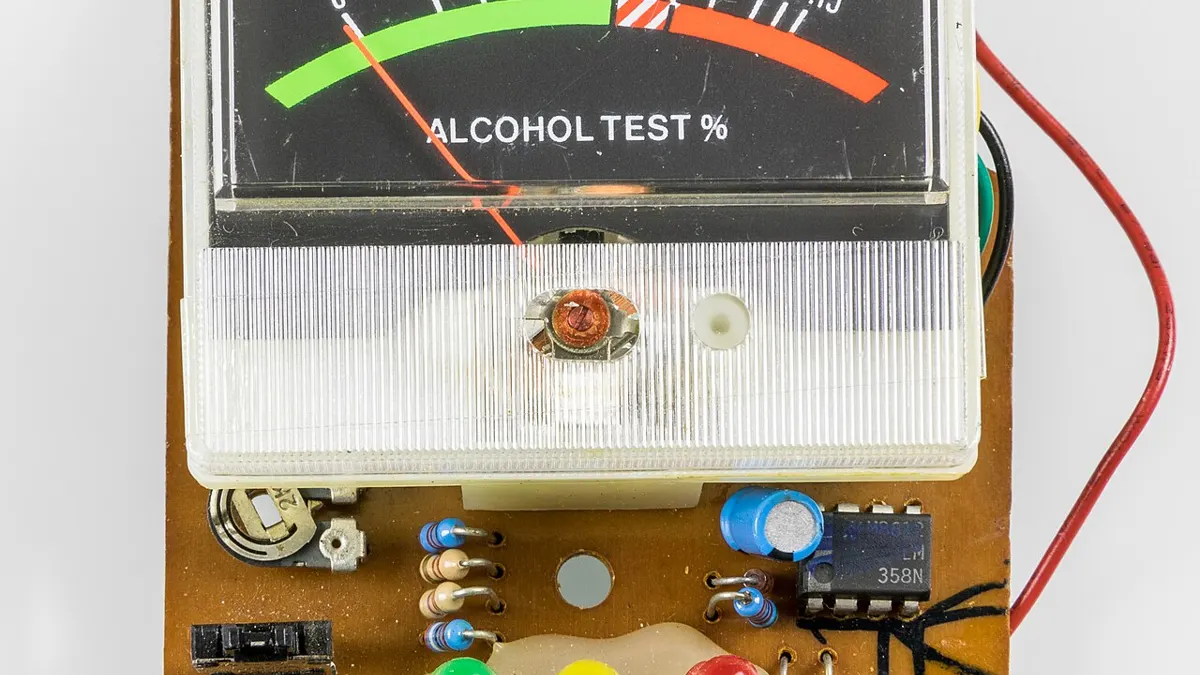
You blew into a breathalyzer and got one number, then a blood test came back with another. That's normal. A breath tester and a blood test measure alcohol in two different places, at two different moments, with two different methods, so their results almost never line up to the third decimal. Here's what each one actually measures, why the numbers drift apart, how big the gap usually is, and how to get a home breath reading that sits as close to your blood level as a handheld can.
The short answer
A blood test measures the alcohol in a sample of your blood directly. A breathalyzer measures the alcohol in the air from deep in your lungs and then converts that to an estimated blood alcohol concentration (BAC) using a fixed average ratio. When everything goes right, a good fuel-cell breathalyzer and a blood test taken at the same moment usually land within a few thousandths of each other. When things go wrong, such as testing too soon after a drink, a cheap sensor, or blood taken an hour later, the gap can be much bigger in either direction.
| Breathalyzer | Blood test | |
|---|---|---|
| What it samples | Deep-lung (alveolar) breath | Venous blood from the arm |
| What it reports | Estimated BAC from breath alcohol | Measured alcohol in the sample |
| Speed | Seconds | Hours to days from a lab |
| Main error sources | Breath-to-blood ratio, mouth alcohol, sensor quality, calibration | Timing of the draw, serum vs whole blood, sample handling |
| Cost per test | Pennies after the device | Lab fee, usually much higher |
| Who uses it | Personal use, workplaces, programs | Hospitals, labs, formal testing |
How a breathalyzer turns breath into a BAC number
When blood passes through your lungs, some of its alcohol moves into the air in the tiny air sacs. A breathalyzer captures the last part of a long exhale, which is the air that came from those sacs, and measures how much alcohol is in it. It then multiplies by a partition ratio to estimate blood alcohol.
In the United States that ratio is set at 2,100 to 1: the device assumes 2,100 milliliters of deep-lung air hold about the same amount of alcohol as 1 milliliter of blood. That's why breath limits are written as grams per 210 liters of breath and blood limits as grams per 100 milliliters of blood. The two units are built so that 0.08 on one roughly equals 0.08 on the other, for an average person.
The catch is the word average. Studies of real people find the actual ratio varies from person to person and even in the same person across a night, roughly from the 1,700s to the 2,400s for most people, with wider outliers. If your personal ratio is lower than 2,100, a breathalyzer will tend to read a bit high compared with your blood. If it's higher, the breath number will tend to read low. Most research suggests 2,100 is slightly conservative for the typical person after drinking stops, meaning breath readings more often come in a little under blood than over it.
How a blood alcohol test works
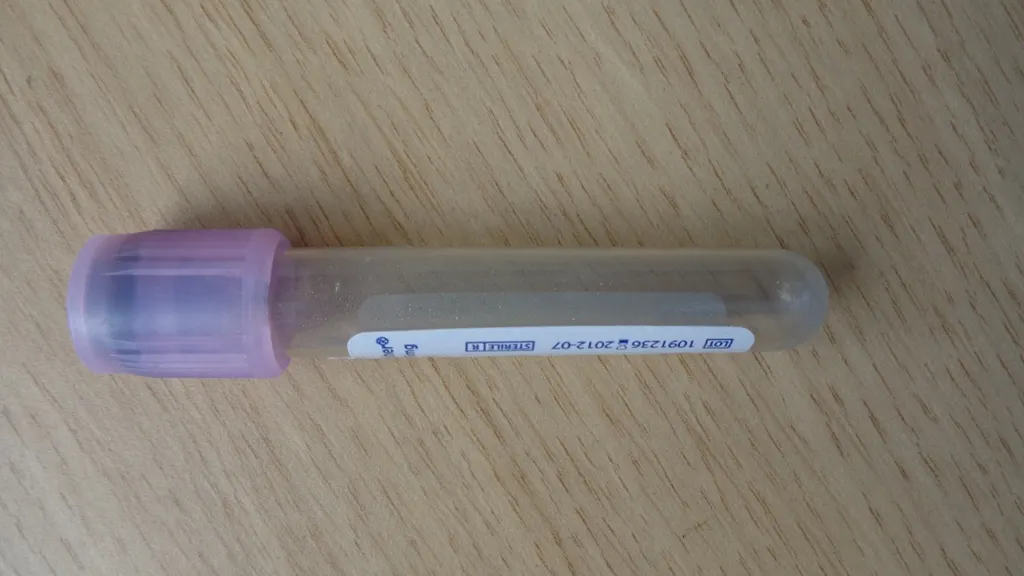
A blood test draws a tube of blood, and a lab measures the alcohol in it, most often with gas chromatography for forensic or workplace samples, or an enzyme method in hospitals. Done properly, it's the more direct measurement because there's no conversion from breath. That's why blood is usually treated as the reference when people compare the two.
But "direct" doesn't mean "same moment." A blood result reflects your BAC when the tube was filled, which is often 30 to 90 minutes after a breath test, sometimes longer. Your BAC kept moving in the meantime.
Why breathalyzer and blood test results differ
1. Timing and the absorption curve
After your last drink, alcohol keeps absorbing from your stomach and gut for roughly 30 to 90 minutes, longer after a big meal. During that rise, your BAC is climbing, and arterial blood feeding the lungs can run ahead of the venous blood in your arm. Breath can read higher than an arm blood draw during this phase. Once absorption is done, your body clears alcohol at a fairly steady rate, often cited at about 0.015 BAC per hour on average (varying by person). A blood draw an hour after a breath test, taken while you're eliminating, will usually read lower than the breath number did.
2. The breath-to-blood ratio
As covered above, the fixed 2,100:1 ratio fits the average person, not everybody. Body temperature matters too: a higher body temperature pushes more alcohol into breath, so a feverish or overheated person can read higher on breath than in blood.
3. Mouth alcohol
Alcohol sitting in your mouth from a recent sip, burping, reflux, some mouthwashes or breath sprays can spike a breath reading far above your real BAC. A blood test isn't affected by this at all. That's why every proper breath test waits at least 15 minutes with no eating, drinking, smoking, vaping or mouthwash, and why a non-zero reading should be retested after that wait.
4. Sensor type and calibration
Fuel-cell breathalyzers react specifically to alcohol and hold their accuracy well when calibrated on schedule. Cheap semiconductor units can react to other compounds and drift fast; their numbers can miss a blood result by a wide margin. Any breathalyzer that's overdue for calibration will drift too. If you compare a cheap keychain unit to a lab result, expect disappointment.
5. Serum vs whole blood
This one surprises a lot of people. Hospitals often measure alcohol in serum or plasma (blood with the cells removed), while forensic labs measure whole blood. Because serum has more water, serum alcohol runs higher, commonly by around 10 to 20 percent on average. A hospital lab result of 0.10 from serum can correspond to roughly 0.085 to 0.09 in whole blood. If your hospital blood result looks higher than your breath reading, check which one was measured.
6. Sample handling
Blood samples need the right preservative tube, refrigeration and prompt testing. Poor storage can let alcohol evaporate (lower result) or, in rare cases, let microbes produce some alcohol in the tube (higher result). Labs work hard to prevent both, but it's one more reason two tests can disagree.
Ad: we may earn a commission if you buy through this link. Information only, not medical or legal advice. Tampering with a drug test can be illegal and usually counts as a refusal. The only sure way to pass is to not use.
How big is the gap, usually?
With a properly calibrated fuel-cell device, a proper 15-minute wait and blood drawn close in time, the two results commonly fall within about 0.01 of each other, and breath reads slightly lower more often than higher. With a semiconductor gadget, a recent drink, or a long delay between tests, differences of 0.02 to 0.03 or more are common, and the direction depends on whether your BAC was rising or falling.
| Situation | Breath result tends to be | Why |
|---|---|---|
| Tested within 15 minutes of a drink | Higher | Mouth alcohol |
| Still absorbing (soon after last drink) | Often higher than an arm blood draw | Arterial vs venous difference |
| Well after drinking stopped, tests close in time | Same or slightly lower | 2,100:1 ratio is conservative for many people |
| Blood drawn an hour or more after breath | Higher than the later blood result | BAC fell in between |
| Hospital serum test vs breath | Lower than serum number | Serum reads above whole blood |
| Cheap semiconductor unit | Unpredictable | Sensor drift and cross-reaction |
Which one is more accurate?
For a single moment in time, a properly handled whole-blood test is the more direct and usually more accurate measurement. A breath test's big advantages are speed, cost and being able to test again in 15 minutes to see which way you're trending. For personal use, the practical question isn't "breath or blood," it's "how good is my breath reading," because nobody is getting a lab draw at a party.
That comes down to the device. A fuel-cell breathalyzer with published accuracy, mouthpieces and a calibration schedule gets close enough to blood to be useful as a personal check. A novelty semiconductor tester isn't in the same league. If you're shopping, our guide to breathalyzers for sale walks through what to look for.
How to get a breath reading closer to your blood level
- Wait at least 15 minutes after your last sip, food, cigarette, vape or mouthwash before blowing.
- Blow long and steady until the device signals a full sample. Short puffs read mouth and throat air, not deep-lung air.
- Use a fuel-cell unit and keep it calibrated on the maker's schedule (often yearly or after a set number of tests).
- Test twice, a few minutes apart. Two close readings are more trustworthy than one.
- Remember you may still be rising. If you drank in the last hour, your BAC could climb after the test.
- Store it right. Extreme heat or cold and a dead battery can throw off any sensor.
To estimate where your BAC is heading over the next few hours, try our BAC calculator, and see how long alcohol shows on a breathalyzer for the timing.
Breath, blood and urine: what each window covers
Breath and blood both reflect alcohol in your body right now, and both drop to zero within hours after drinking ends. Urine tests are different and can pick up alcohol byproducts for much longer. We compare those windows in how long alcohol stays in urine vs blood.
A reading is never permission to drive
Every BAC number, breath or blood, is a snapshot, and impairment starts well below 0.08 for many people. A home breathalyzer is a tool for awareness, not a green light. If you've been drinking, use a ride, a rideshare or a sober friend. If drinking is becoming hard to control, the SAMHSA National Helpline is free, confidential and open 24/7 at 1-800-662-4357, and in a crisis you can call or text 988.
Sources
Detection windows, cutoffs and procedures on this page are based on these public sources. Individual results vary; this is information, not medical or legal advice. See how the DrugTestAnswers Editorial Team checks facts.
Questions people ask
Is a breathalyzer as accurate as a blood test?
A calibrated fuel-cell breathalyzer used after a 15-minute wait usually lands close to a blood result taken at the same time, often within about 0.01. A whole-blood lab test is still the more direct measurement.
Does a breathalyzer read higher or lower than blood?
It depends on timing. Soon after a drink or while alcohol is still absorbing, breath can read higher. Well after drinking stops, breath often reads the same or slightly lower than blood because the 2,100:1 ratio is conservative for many people.
Why was my hospital blood alcohol higher than my breath test?
Hospitals often test serum or plasma, which runs about 10 to 20 percent higher than whole blood. Ask which one was measured before comparing.
What is the 2,100 to 1 ratio?
It's the average breath-to-blood ratio US breathalyzers assume: 2,100 mL of deep-lung air holds about as much alcohol as 1 mL of blood. Real people vary around it.
Can mouthwash make a breathalyzer read higher than blood?
Yes. Alcohol-based mouthwash, a recent sip or a burp can briefly spike a breath reading. Wait at least 15 minutes and retest. Blood tests aren't affected.
How long after a breath test does blood need to be drawn to match?
As close as possible. BAC changes by roughly 0.015 per hour on average once you stop absorbing, so a draw an hour later can differ noticeably from the breath reading.
Ad: we may earn a commission if you buy through this link. Information only, not medical or legal advice. Tampering with a drug test can be illegal and usually counts as a refusal. The only sure way to pass is to not use.
No product can promise you a pass, and the only certain way is to not use. Tampering with a drug test can be illegal and is usually treated as a refusal. We never help anyone beat DOT, federal, safety-sensitive, or court-ordered tests. If substance use is getting on top of you, call the free, confidential SAMHSA National Helpline on 1-800-662-4357 (24/7, English and Spanish), or call or text 988 in a crisis. Source: samhsa.gov.