Breathalyzer Machine for Sale: Fuel Cell vs Semiconductor, Real Prices and What to Buy for Home or Work
Ad: we may earn a commission if you buy through this link. Information only, not medical or legal advice. Tampering with a drug test can be illegal and usually counts as a refusal. The only sure way to pass is to not use.
Updated ·  Written by Daniel Brooks ·
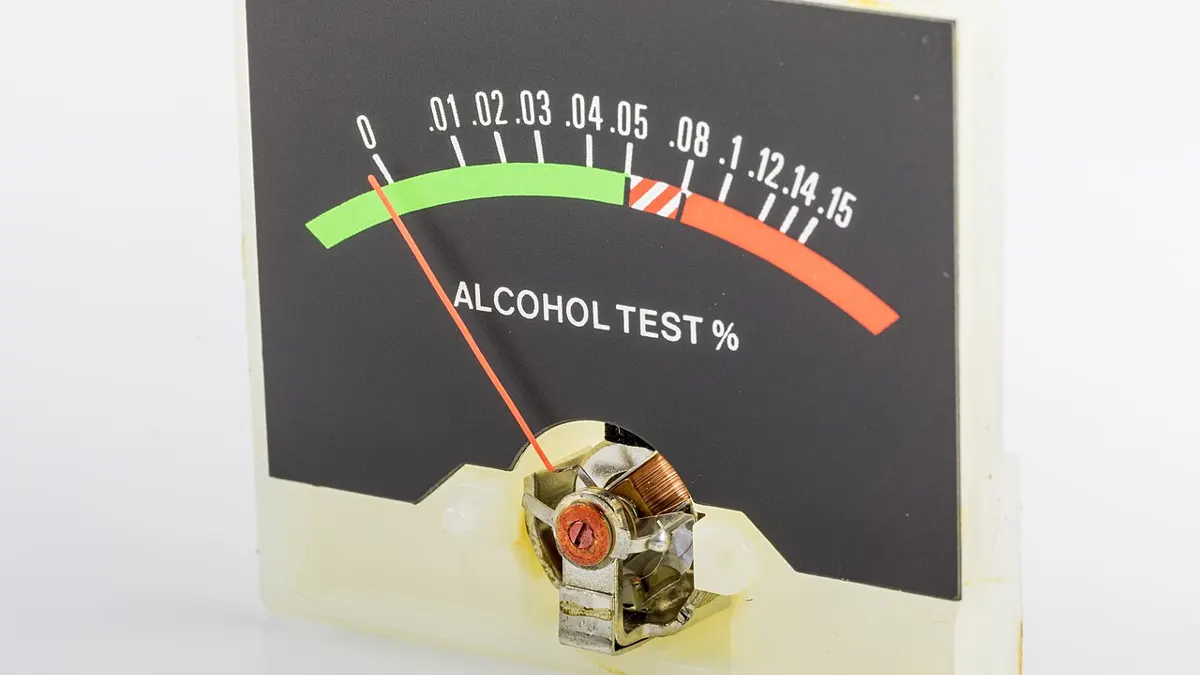
Breathalyzer machines for sale run from $15 keychain gadgets to $300-plus professional units, and the price gap isn't just branding. The sensor inside, how often it needs calibrating, and whether it can log results decide what you're really paying for. Here's a straight rundown so you buy the right one the first time, whether it's for your own peace of mind, your household or a small business.
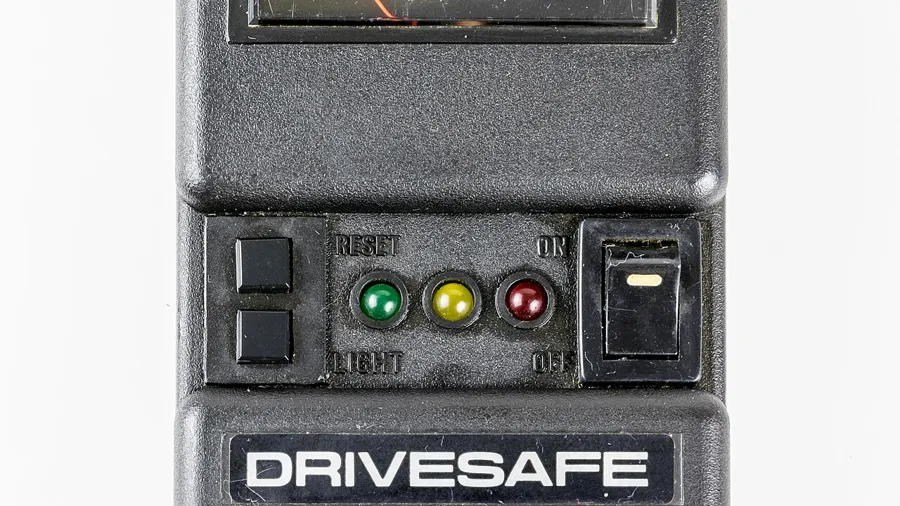
First, a safety note
A personal breathalyzer gives an estimate of your breath alcohol. It is not a green light to drive. Readings vary with the device, calibration, timing and how you blow, and your blood alcohol can still be rising after a reading. If you've been drinking, don't drive, full stop. Use a breathalyzer to learn how alcohol affects you, not to decide whether you're "under."
The two sensor types that matter
| Fuel cell | Semiconductor | |
|---|---|---|
| How it works | Alcohol in breath reacts electrochemically on a platinum-type cell, producing a current | Alcohol changes the resistance of a heated metal-oxide sensor |
| Accuracy | Higher and more consistent | Lower; can drift |
| Specific to ethanol? | Much more specific | Can react to other substances like some solvents or ketones |
| Price | Higher | Lower |
| Calibration interval | Typically yearly or after a set number of tests | Often more frequent |
| Best for | Frequent use, workplaces, anyone who wants trustworthy numbers | Occasional personal curiosity |
If you're going to rely on the number for anything important, buy fuel cell.
What the spec sheet actually tells you
- Accuracy, e.g. "±0.005 at 0.100% BAC": at a true 0.100, the reading should land within 0.095 to 0.105. Smaller is better.
- Detection range: most read 0.000 to 0.400% BAC.
- Calibration: how often it must be recalibrated, by time or number of tests, and what that costs.
- Mouthpieces: mouthpiece units collect a cleaner sample and are more hygienic for multiple users; mouthpiece-free units are faster but generally less precise.
- Deep-lung sampling / pressure sensor: makes sure you've blown long and hard enough for an end-of-breath sample.
- Data output: some units can log results to a computer, which matters for workplace programs.
- Approvals: listings often mention DOT/NHTSA conforming product lists or FDA clearance. These relate to screening-device standards; a home unit still doesn't replace an evidential test.
Two models sold through TestClear, compared
| AlcoMate AccuCell AL9000 | AlcoScan / AlcoMate AL2500 | |
|---|---|---|
| Sensor | Advanced fuel cell | Entry-level sensor (not fuel cell) |
| Listed accuracy | ±0.005 at 0.100% BAC | ±0.01 at 0.10% BAC (maker listing) |
| Range | 0.000 to 0.400% BAC | Reads up to 0.40% BAC per retailer listings |
| Mouthpieces | Yes (extra packs sold as add-ons) | No; blow toward the sensor |
| Calibration | Annually or every 1,000 tests, whichever comes first | More frequent; check the insert |
| Data logging | Optional USB PC-Connect Kit (Windows only) | No |
| Power | 2 × AAA | Batteries included per listing |
| Warranty | 1 year | Varies by seller |
| Price seen (Oct 2026) | $299.95 on TestClear (listed regular $349.95) | About $50 to $60 at most sellers; check TestClear's current price |
On TestClear, the AL9000 listing offers add-on mouthpiece packs (10 for $4, up to 200 for $80) and the USB PC-Connect Kit for $49.95. The PC kit only captures results while the unit is connected to a Windows computer; the breathalyzer itself doesn't store them.
Which one should you buy?
| You are… | Good fit | Why |
|---|---|---|
| Curious about how drinks affect you, occasional use | Entry-level unit like the AL2500 | Cheap, pocket-size, no mouthpieces to carry |
| Testing often, or sharing it in a household | Fuel cell with mouthpieces, like the AL9000 | Consistent readings and hygienic mouthpieces |
| A small business, sober living home or event staff | Fuel cell with data logging | Repeatable results and records for your policy |
| Someone who needs legally defensible results | A certified evidential device and trained operator, or a lab | Home and screening units aren't evidential |
The cost nobody mentions: calibration
Every breathalyzer sensor drifts. Fuel-cell units like the AL9000 are typically recalibrated once a year or after about 1,000 tests. That usually means sending it back to the maker or an authorized service center and paying a fee. When comparing prices, add one year of calibration and a few packs of mouthpieces to the sticker price. A cheap unit you have to replace often can end up costing more than a pro unit you calibrate yearly.
Ad: we may earn a commission if you buy through this link. Information only, not medical or legal advice. Tampering with a drug test can be illegal and usually counts as a refusal. The only sure way to pass is to not use.
How to get a reliable reading
- Wait at least 15 to 20 minutes after your last drink, food, smoke or vape. Residual mouth alcohol reads falsely high.
- Don't test right after mouthwash, breath spray or cough syrup. Many contain alcohol.
- Use a fresh mouthpiece if your unit takes one.
- Blow steadily for the full time the unit asks for, until it signals it has a deep-lung sample.
- Test twice, a few minutes apart. Two close readings are more trustworthy than one.
- Keep it calibrated and stored at room temperature.
What a reading does and doesn't mean
A breath reading estimates blood alcohol based on a standard breath-to-blood ratio, and real people vary around that ratio. Your BAC keeps rising for a while after your last drink as alcohol absorbs, and it falls slowly, commonly cited at roughly 0.015% per hour on average, though individuals differ. Nothing speeds that up: not coffee, cold showers or water. For rough planning, our BAC calculator gives an estimate, and it comes with the same warning: estimates aren't a driving decision.
Breathalyzers for workplaces and programs
If you run a business or program and want alcohol screening, sort out the policy before the device:
- Write down when testing happens, who does it and what happens after a positive.
- Check state law and any union agreements.
- Regulated programs, such as DOT-covered employers, must use approved evidential devices and trained technicians for confirmation. A personal unit doesn't meet that standard.
- Pick a fuel-cell unit with mouthpieces, and log results if you need records.
For drug screening alongside alcohol, a multi-panel home drug test or an alcohol test strip kit can complement a breathalyzer.
Where to buy and what to avoid
- Buy from sellers who list the sensor type and accuracy clearly. If a listing won't say "fuel cell" or give an accuracy figure, assume it's a basic semiconductor unit.
- Be wary of no-name units with "police grade" claims and no calibration service.
- Check that calibration service exists for the model before you buy.
- Look at the warranty length; one year is common for reputable fuel-cell units.
- Factor in mouthpieces if multiple people will use it.
Common buying mistakes
- Buying the cheapest keychain model and trusting its numbers.
- Forgetting calibration and wondering why readings drift a year later.
- Testing right after a drink and panicking at a mouth-alcohol spike.
- Treating any reading as "safe to drive."
- Buying a data-logging kit when you don't need records, or skipping it when your policy does.
Thinking about your drinking
If you've bought a breathalyzer because you're worried about how much you drink, that's a good instinct to follow up on. The SAMHSA National Helpline at 1-800-662-4357 is free, confidential and open 24/7. If you're in crisis, call or text 988.
Bottom line
For a breathalyzer machine you can actually rely on, buy fuel cell. The AlcoMate AccuCell AL9000 is a professional-grade fuel-cell unit listed at $299.95 on TestClear, with yearly calibration and optional Windows data logging. If you just want a cheap personal gadget, an entry-level unit like the AL2500 costs around $50 to $60 but trades away precision. Whatever you buy, treat the reading as an estimate and never as permission to drive.
Information only, not medical or legal advice. BAC estimates are approximate. Never drink and drive.
Sources
Detection windows, cutoffs and procedures on this page are based on these public sources. Individual results vary; this is information, not medical or legal advice. See how the DrugTestAnswers Editorial Team checks facts.
Questions people ask
What is the most accurate type of breathalyzer to buy?
Fuel-cell breathalyzers are more accurate and more specific to alcohol than semiconductor units, which is why professional devices use them.
How much does a good breathalyzer machine cost?
Entry-level units run about $15 to $60. Professional fuel-cell units like the AlcoMate AL9000 cost around $300 ($299.95 on TestClear in October 2026).
How often does a breathalyzer need calibration?
Fuel-cell units like the AL9000 typically need calibrating once a year or every 1,000 tests, whichever comes first. Cheaper sensors often need it more often.
Can a personal breathalyzer tell me if I'm safe to drive?
No. Readings are estimates and BAC can still be rising. If you've been drinking, don't drive.
Can I use a home breathalyzer for workplace testing?
For informal screening under a written policy, yes. DOT-regulated and legally defensible testing require approved evidential devices and trained technicians.
Does mouthwash affect a breathalyzer?
Yes. Many mouthwashes contain alcohol and can cause a falsely high reading. Wait at least 15 to 20 minutes before testing.
Ad: we may earn a commission if you buy through this link. Information only, not medical or legal advice. Tampering with a drug test can be illegal and usually counts as a refusal. The only sure way to pass is to not use.
No product can promise you a pass, and the only certain way is to not use. Tampering with a drug test can be illegal and is usually treated as a refusal. We never help anyone beat DOT, federal, safety-sensitive, or court-ordered tests. If substance use is getting on top of you, call the free, confidential SAMHSA National Helpline on 1-800-662-4357 (24/7, English and Spanish), or call or text 988 in a crisis. Source: samhsa.gov.