How Long Does Alcohol Stay in Your System for a Breathalyzer? Hours Per Drink, Morning-After Readings and Device Accuracy
Ad: we may earn a commission if you buy through this link. Information only, not medical or legal advice. Tampering with a drug test can be illegal and usually counts as a refusal. The only sure way to pass is to not use.
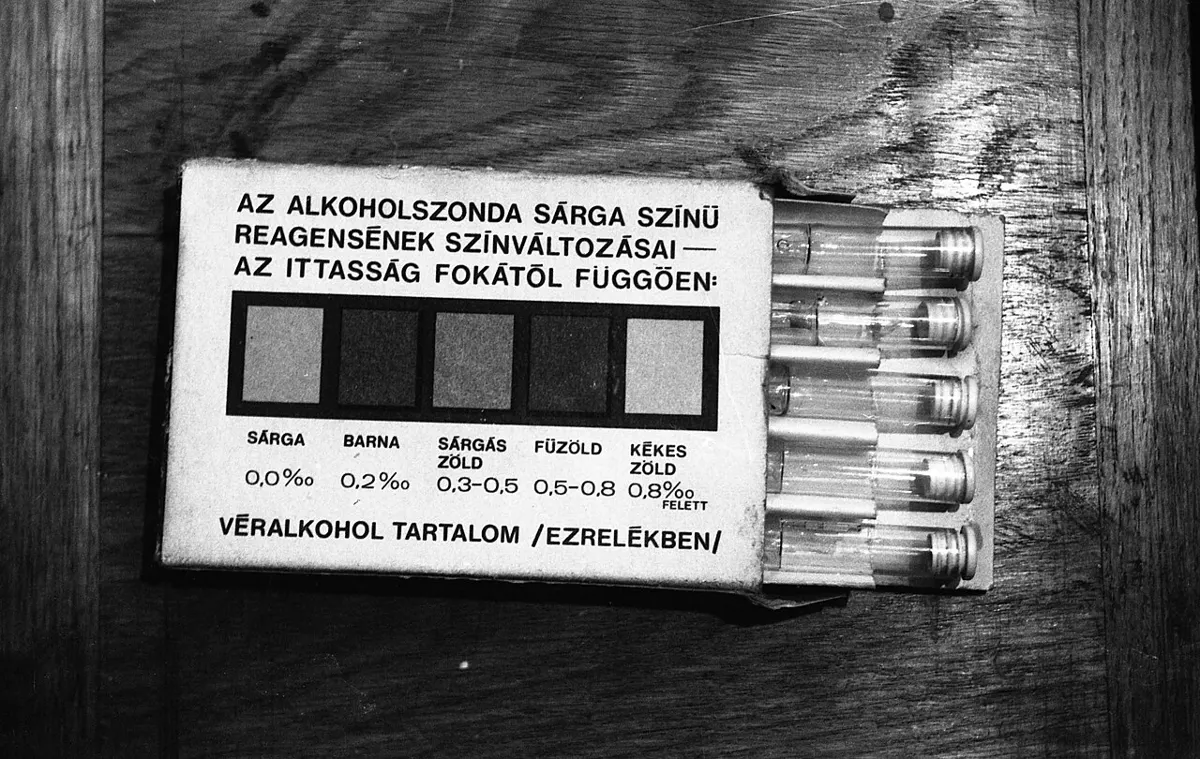
Breathalyzers measure alcohol that's in your blood right now, so the real question is "how long until my BAC is back to zero?" The rough rule is about one hour per standard drink after your peak, but a big night can mean you're still over the limit the next morning. Here's how it works and how to check yourself honestly.
How breath testing works
When blood passes through your lungs, a little alcohol moves into the air in your alveoli. The ratio of alcohol in deep-lung air to alcohol in blood is fairly stable, and US devices assume 2,100 to 1. So a breathalyzer measures alcohol in your breath and converts it to an estimated BAC. That's why breath readings rise and fall with your blood alcohol, and why they stop detecting alcohol once your BAC is back near zero.
The clearance math
On average, the body removes about 0.015% BAC per hour (NIAAA). Some people clear faster (up to about 0.020%) and some slower (about 0.010%). A standard drink typically raises BAC by roughly 0.02% for an average-size man and more for smaller people and most women.
| Peak BAC | Approximate hours to reach 0.00% at 0.015%/hr |
|---|---|
| 0.04% | About 2.7 hours |
| 0.08% | About 5.3 hours |
| 0.12% | About 8 hours |
| 0.16% | About 10.7 hours |
| 0.20% | About 13.3 hours |
Those hours count from when you hit your peak, which is usually 30 to 90 minutes after your last drink. Try your own numbers on our BAC calculator.
The morning-after problem
This catches a lot of good people. Say you drink steadily until 1 AM and peak around 0.16%. At 7 AM you've cleared about 0.09%, leaving roughly 0.07%. You slept, you feel tired but "fine," and you're legally borderline. A commercial driver would be well over the 0.04% CDL limit. Under-21 drivers would be far past zero tolerance. Sleep doesn't speed elimination; only time does.
Things that skew a breath reading
- Mouth alcohol: mouthwash, breath spray, a recent sip or a burp can leave alcohol in your mouth and produce a falsely high reading for about 15 minutes. That's why police and good home testing practice involve a 15 to 20-minute waiting period with nothing in the mouth.
- Breathing pattern: holding your breath before blowing raises readings; hyperventilating lowers them.
- Temperature: fever or very cold devices can shift results.
- Diabetes and low-carb diets: ketones like acetone can interfere with cheaper semiconductor sensors; fuel-cell devices are more specific to ethanol.
- Device calibration: sensors drift and need periodic recalibration.
Fuel-cell vs semiconductor breathalyzers
| Fuel cell | Semiconductor | |
|---|---|---|
| Accuracy | High, used in police screening devices | Moderate |
| Specific to alcohol? | Yes | Can react to acetone and other compounds |
| Price | Higher | Lower |
| Calibration | Every 6-12 months, typically | More frequent |
For anyone who wants a number they can trust, a fuel-cell unit is worth it. A semiconductor unit is fine for a rough idea. Neither should ever be used to decide it's okay to drive.
Breath vs urine vs blood
Breath and blood show alcohol for about the same time. Urine EtG tests can show drinking for up to about 80 hours afterwards. If your workplace or program uses urine, a zero on a breathalyzer doesn't mean much. Our guide on alcohol in urine vs blood covers that.
Workplace breath tests
Federal DOT rules use evidential breath testing devices for safety-sensitive transportation workers, with a 0.04% violation level and restrictions at 0.02% or more. Many private employers with safety rules use similar devices. If you're covered by those rules, the only safe plan is not to drink within the timeframes your employer sets, often at least four hours before duty, and longer after a big night.
How to test yourself properly at home
- Wait at least 15-20 minutes after your last drink, food, smoke or mouthwash.
- Breathe normally, then blow a steady, long breath as the device instructs.
- Take two readings a few minutes apart. They should be close.
- Recalibrate your device on schedule.
And again, as your buddy: if you've been drinking, get a ride. Every time.
Ad: we may earn a commission if you buy through this link. Information only, not medical or legal advice. Tampering with a drug test can be illegal and usually counts as a refusal. The only sure way to pass is to not use.
Hour-by-hour example: a night out
Let's walk through a realistic evening for a 170 lb man. He has a beer at 7 PM, two more by 9, then three shots of whiskey between 10 and midnight. That's six standard drinks over five hours. His estimated BAC climbs to around 0.06% by 9 PM and peaks near 0.11% shortly after midnight, because he's drinking faster than his liver can clear. From there it falls about 0.015% an hour:
- 1 AM: around 0.10%. Over the legal driving limit everywhere in the US.
- 3 AM: around 0.07%.
- 5 AM: around 0.04%. Right at the commercial driver limit.
- 7 AM: around 0.01%. Still above zero.
- 8 AM: approximately 0.00% for an average clearer.
A smaller woman drinking the same amount would peak higher and be detectable even later. A slow clearer could still read 0.02% or more at 8 AM. That's why "I'll be fine by morning" is a risky assumption for anyone who drives for work.
Does food change the timeline?
Eating before or while drinking slows absorption, so your peak is lower and arrives later. That can reduce the total time you're detectable, mainly because you never get as high. But once alcohol is in your blood, food doesn't speed up elimination. A big breakfast the next morning won't lower your reading.
What about coffee, water and cold showers?
Coffee makes you feel more alert but doesn't lower BAC. Water helps with hangover dehydration but doesn't change the breathalyzer number. Cold showers wake you up, nothing more. The only variable you control is time.
Different legal limits to know
| Who | Typical legal limit |
|---|---|
| Adult drivers (most states) | 0.08% |
| Adult drivers in Utah | 0.05% |
| Commercial drivers (CDL) | 0.04% |
| Drivers under 21 | 0.00-0.02% (zero tolerance) |
| Pilots (FAA) | 0.04% and 8 hours "bottle to throttle" |
| Boaters (most states) | 0.08% |
Impairment starts well below these numbers. Reaction time and judgment are affected at 0.02-0.05%.
Ignition interlock devices
If you've had a DUI, you might have an ignition interlock in your car. These are fuel-cell breathalyzers that won't let the car start above a set level (often 0.02-0.025%) and ask for rolling retests while driving. Mouthwash, hand sanitizer fumes and some foods can trigger false fails, which is why many programs tell you to rinse your mouth with water and wait before blowing. A morning-after reading from last night's drinks is a real fail, though, not a false one.
Why personal breathalyzers are useful anyway
Used honestly, a personal breathalyzer teaches you how your body handles alcohol. Many people are shocked to see how high they read after "only a few" or how long it takes to reach zero. That knowledge makes it easier to plan a ride home, wait before driving in the morning, or simply drink less. It's information, not permission.
Common breathalyzer myths
- "Pennies in your mouth beat it." No. Copper does nothing to breath alcohol.
- "Breath mints or gum fool the device." They might mask the smell for a human; they don't change the sensor reading, and some sugar-alcohol gums can raise readings on cheap units.
- "Hyperventilating gets you under." It can lower a reading slightly, but police devices detect insufficient samples, and refusing or faking a sample has legal consequences.
- "Eating bread soaks up the alcohol." Food in the stomach slows absorption if eaten before drinking; it doesn't remove alcohol already in your blood.
- "Home breathalyzers read the same as police ones." Good fuel-cell units come close, but calibration, technique and timing all matter. Never assume you're under the limit because your device says so.
When to recalibrate your device
Most manufacturers recommend recalibration every 6 to 12 months or after a set number of tests, often a few hundred. Some fuel-cell units let you swap in a pre-calibrated sensor module so you don't have to mail the device away. If readings seem inconsistent, if the device was dropped or stored in extreme heat or cold, or if it's past its service date, recalibrate before trusting it.
Sources
Detection windows, cutoffs and procedures on this page are based on these public sources. Individual results vary; this is information, not medical or legal advice. See how the DrugTestAnswers Editorial Team checks facts.
Questions people ask
Do energy drinks or coffee lower a breathalyzer reading?
No. Caffeine may make you feel more alert, but it does not lower your blood or breath alcohol at all.
How long does one drink stay on a breathalyzer?
For most adults about 1-2 hours from the drink, since one standard drink adds roughly 0.02% BAC and the body clears about 0.015% per hour.
Does a breathalyzer measure blood alcohol directly?
No. It measures alcohol in breath and estimates blood alcohol using a standard 2,100:1 ratio.
Can you fail a breathalyzer the next morning?
Yes. After heavy drinking, BAC can remain above legal limits for many hours, especially for commercial drivers at 0.04%.
Does a breathalyzer detect alcohol from the day before?
Only if alcohol is still in your blood. Once BAC is back to zero, breath tests read zero.
How long after 4 beers will I blow 0.00?
For many average-size adults, roughly 5-6 hours after the last beer, but it varies with weight, sex and pace.
Does mouthwash make a breathalyzer read higher?
Yes. Alcohol-based mouthwash can cause a falsely high reading for about 15 minutes.
Can I sleep it off faster?
No. Sleep doesn't speed alcohol elimination; only time does.
Are home breathalyzers accurate?
Fuel-cell models are fairly accurate when calibrated. Cheaper semiconductor units are rougher.
Ad: we may earn a commission if you buy through this link. Information only, not medical or legal advice. Tampering with a drug test can be illegal and usually counts as a refusal. The only sure way to pass is to not use.
No product can promise you a pass, and the only certain way is to not use. Tampering with a drug test can be illegal and is usually treated as a refusal. We never help anyone beat DOT, federal, safety-sensitive, or court-ordered tests. If substance use is getting on top of you, call the free, confidential SAMHSA National Helpline on 1-800-662-4357 (24/7, English and Spanish), or call or text 988 in a crisis. Source: samhsa.gov.