How to Pass a Drug Test for Your Job: Honest Prep for Pre-Employment and Workplace Screens
Compare TestClear's urine-test products in one place: detox drinks, multi-day programs and more.
Ad: we may earn a commission if you buy through this link. Information only, not medical or legal advice. Tampering with a drug test can be illegal and usually counts as a refusal. The only sure way to pass is to not use.
Updated ·  Written by Daniel Brooks ·
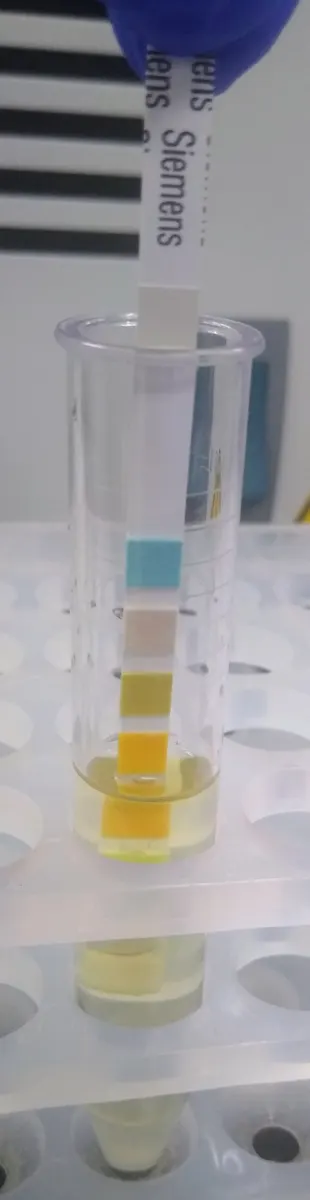
You got the offer, or the email saying you have 24 hours to visit a collection site, and now the drug test is the only thing between you and the job. The good news is that most people who prepare properly pass without drama. Preparing properly does not mean tricks. It means knowing what the employer is actually testing for, how your sample will be checked, how long each substance stays detectable and what to do about prescriptions. This guide walks through all of it, from the first phone call to the result, with a focus on the urine test that most employers still use.
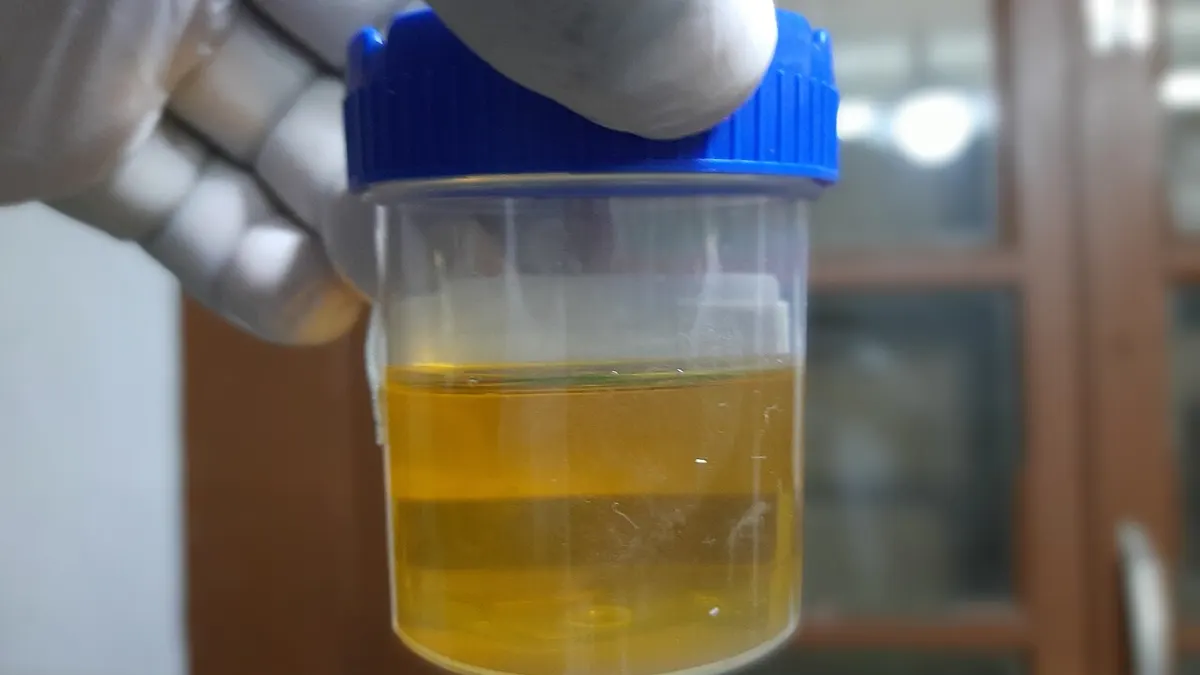
The short answer
The only reliable way to pass a workplace drug test is to have no drug above the cutoff in your sample on the day you give it. Everything else is detail. In practice that means four things:
- Know the panel. Find out what the employer tests for and which specimen they use.
- Know your window. Work out how long the substances you have used stay detectable in that specimen.
- Check yourself first. Use a home test with similar cutoffs before the real one, so a result never surprises you.
- Handle the paperwork. Have your prescriptions ready and give a normal, undiluted sample.
The rest of this page explains each step, and what happens if things do not go to plan.
When employers drug test
Most people think of the pre-employment screen, but there are several kinds of workplace tests, and the rules around each differ.
- Pre-employment: after a conditional offer and before your first shift. This is the most common test and the one you can usually plan around.
- Random: unannounced testing of current employees, common in safety-sensitive roles, transport, healthcare and some manufacturing.
- Reasonable suspicion: when a supervisor documents signs of impairment, such as slurred speech, the smell of cannabis or unsafe behavior.
- Post-accident: after a workplace injury or vehicle incident, often within hours.
- Return-to-duty and follow-up: after a previous positive or a treatment program, usually with several unannounced tests over months.
Jobs regulated by the federal Department of Transportation, such as commercial drivers, pilots and some pipeline and rail workers, follow strict federal procedures. This guide is written for ordinary private-sector employment, where company policy and state law set the rules.
What the test looks for
Employers choose a panel, which is the list of drug classes on the test. The most common options are:
- 5-panel: marijuana (THC), cocaine, amphetamines (including methamphetamine and MDMA), opiates and PCP. This is the classic workplace panel.
- 10-panel: the five above plus benzodiazepines, barbiturates, methadone, propoxyphene or oxycodone, and methaqualone or another class depending on the lab.
- Expanded opioid panels: separate lines for oxycodone, fentanyl, buprenorphine and other synthetic opioids, increasingly common because standard opiate screens miss them.
- Panels without THC: more employers in states with legal cannabis now drop marijuana from pre-employment screens for most roles.
- Nicotine (cotinine): a minority of employers, mostly hospitals and some insurers, test for nicotine because of tobacco-free hiring policies.
It is completely normal to ask the recruiter or HR contact which panel and which specimen type the company uses. Many will simply tell you, and the information is often printed on the authorization form you take to the collection site.
Which specimen: urine, saliva, hair or blood
The specimen matters as much as the panel, because each one has a very different detection window.
- Urine: still the default for most employers. It catches use from roughly the last 1 to 4 days for most drugs, and much longer for regular marijuana use.
- Saliva (oral fluid): growing quickly because it is cheap and collected in front of a supervisor. It mostly catches use from the last day or two. See our guide on passing a mouth swab test for employment.
- Hair: used by some large employers, casinos and companies hiring for safety-critical roles. It reaches back about 90 days. Our page on the hair drug test for work covers it in depth.
- Blood: rare for hiring. It mostly appears in post-accident testing because it shows very recent use.
How a urine drug test for a job actually works
Knowing the process takes away a lot of the anxiety, and it explains why shortcuts tend to fail. A typical lab-based collection goes like this:
- Check-in: you bring photo ID and the authorization form or code from the employer. The collector confirms who you are.
- Prep: you are asked to empty your pockets, leave bags and coats outside and wash your hands. In many facilities the toilet water is tinted blue and the tap is taped off so you cannot dilute the sample.
- Collection: you go into the restroom alone in a normal collection and provide at least the required volume, usually around 45 mL, in a sealed cup.
- Temperature check: within about four minutes, the collector reads a temperature strip on the cup. A fresh sample should be between 90 and 100 °F. Outside that range, the collector can require a new sample under direct observation.
- Sealing and chain of custody: the sample is split or sealed in front of you, you initial the labels and sign the custody form, and the cup goes to the lab.
At the lab, the sample is not just checked for drugs. It is checked for validity first. Labs measure creatinine and specific gravity to see whether the urine looks like normal human urine at a normal concentration, they check pH, and many screen for oxidants and other common additives. A sample that fails these checks can be reported as dilute, substituted, adulterated or invalid, and each of those has consequences, which we cover below.
Some employers use instant point-of-collection cups instead of a lab. These give a result in minutes. A negative is usually final, while a non-negative instant result is normally sent on to a lab for confirmation before anyone acts on it.
Screening versus confirmation
The first test on your sample is an immunoassay screen. It is fast and cheap, and it is tuned to react to whole drug classes at a set cutoff. Because it reacts to classes rather than exact molecules, it can occasionally react to the wrong thing. That is why any non-negative screen in a proper workplace program is confirmed with GC-MS or LC-MS/MS, which identifies the exact compound and measures how much is there.
Confirmed results then go to a Medical Review Officer in most employer programs. The MRO is a physician who reviews the result and gives you a chance to explain it before the employer is told. Our guide to screen versus confirmation results explains the two stages in more detail.
How long each substance stays in urine
These are general ranges for urine at standard workplace cutoffs. Everyone is different, so treat them as a starting point and test yourself if in doubt.
- Marijuana, single use: about 1 to 3 days.
- Marijuana, a few times a week: about 5 to 7 days, sometimes up to 10.
- Marijuana, daily: about 10 to 30 days, and longer for heavy long-term use.
- Cocaine: about 2 to 4 days, longer with heavy use.
- Amphetamines and methamphetamine: about 1 to 3 days.
- MDMA: about 1 to 3 days.
- Opiates (codeine, morphine): about 1 to 3 days.
- Oxycodone: about 1 to 4 days on a test that includes it.
- Short-acting benzodiazepines: about 1 to 4 days. Long-acting ones such as diazepam can last weeks with regular use.
- PCP: about 3 to 8 days.
- Alcohol: standard panels do not include it, though some employers add an EtG test, which can show drinking from the past 1 to 3 days.
Marijuana is the outlier because THC is stored in fat and released slowly, so its main metabolite, THC-COOH, keeps appearing in urine long after the high has gone. If cannabis is your concern, our guide to how long after smoking weed you can pass a urine test goes week by week.
Working out your own timeline
Most employers expect you to test within 24 to 72 hours of being told, and some ask for same-day testing. That leaves little time, so the planning really starts when you begin applying.
- Count back from the likely test date. If you are interviewing now and an offer could come in two weeks, your last use matters more than anything you do in the final 48 hours.
- Be realistic about frequency. A daily cannabis user who stops the day of the interview is unlikely to be clear within a typical 72-hour window.
- Ask about timing politely. Some employers will let you choose a day within a range. You do not need to give a reason beyond scheduling.
- Do not miss the deadline. Failing to show up within the window is often treated the same as a refusal.
Our detection window calculator can give you a rough estimate based on the substance, how often you use it and how long ago you last did.
Honest preparation that actually helps
There is a lot of bad advice online about passing drug tests. Here is what genuinely makes a difference.
Stop using as early as you can
Time is the only thing that clears drugs from your body. Every extra day before the test helps, and for cannabis the difference between three days and two weeks is enormous.
Test yourself at home first
A home urine test with the same panel and similar cutoffs as the employer's test is the single most useful tool you have. Use first-morning urine for the strictest reading, since it is the most concentrated of the day. If you test negative on first-morning urine, you are in a good position. If you see a positive, you know where you stand and can plan accordingly rather than finding out from the employer.
Drink normally, not excessively
Staying hydrated is fine. Forcing down gallons of water before the test is not. Very dilute urine has low creatinine and low specific gravity, and labs flag it. Many employer policies treat a negative-dilute result as a reason to retest, and some treat it as a fail.
Do not test first thing in the morning if you can avoid it
If you have a choice of collection time, later in the day is usually better than first thing, because your first urine of the morning has been concentrating overnight. Urinate a couple of times before you go and eat and drink normally.
Exercise sensibly
Regular exercise over the weeks before a test can help with general fat metabolism, but a hard workout in the day or two before a test can release stored THC into the bloodstream and nudge levels up. Keep exercise light in the final 48 hours.
Look after the basics
Sleep, eat regular meals and avoid alcohol in the run-up. None of that clears drugs faster, but it keeps your urine looking like ordinary urine, and it means you will not show up shaky and anxious.
Detox drinks and products: what they do and do not do
You will see detox drinks and cleansing kits advertised everywhere, including on this site. It is worth being clear about how they work. Most same-day detox drinks are designed to temporarily dilute urine while adding creatine, B vitamins and electrolytes so the sample still looks normal in color and concentration. They do not remove drugs from your body, and the effect lasts a few hours at most.
Some people use them as a backstop when they are close to the edge of their window. Results vary, and nothing about them is guaranteed. They are least likely to help heavy daily users facing a short window and most likely to matter for someone who has nearly cleared but is not certain. If you go this route, follow the product instructions exactly, test yourself at home beforehand and remember that lab validity checks are designed to catch abnormal samples.
Synthetic urine and adulterants are a different matter. Many states have laws specifically against using or selling them to defraud a drug test, labs screen for common additives, and a substituted or adulterated result is generally treated as a refusal to test, which can be worse than a positive. We do not recommend them.
Myths that will not help you pass
- Niacin pills: do not clear THC and can cause dangerous side effects in large doses.
- Goldenseal: an old myth that does not work on modern lab tests and can show up as an adulterant.
- Vinegar, bleach or eye drops in the sample: detectable by validity testing and treated as tampering.
- Cranberry juice: fine as a drink, but it does nothing special to drug metabolites.
- A sauna session the night before: sweating does not meaningfully clear THC or other drugs, and dehydration makes urine more concentrated.
- Holding someone else's sample in your pocket: a classic way to fail the temperature check and end up with an observed retest.
Prescriptions and over-the-counter medicines
If you take prescribed medication that appears on the panel, such as an opioid painkiller, a benzodiazepine, a stimulant for ADHD or a medicine for opioid use disorder, you do not need to hide it. In a normal program you are not usually asked to disclose medications to the employer. Instead, if your sample confirms positive, the MRO will contact you and ask about prescriptions. Give them your pharmacy and prescriber details. A legitimate prescription is normally reported to the employer as negative.
Some common medicines are known to cause screening false positives, which confirmation then rules out. Examples include certain antidepressants and antibiotics, some decongestants on amphetamine screens and, rarely, anti-inflammatory painkillers. Keep a short list of what you take and have it ready if the MRO calls. Never stop a prescribed medicine just to get through a test without speaking to your prescriber.
Marijuana, CBD and state law
Cannabis is the substance that trips up the most job applicants, and the rules have changed a lot. Several states now limit how employers can use cannabis test results. California, for example, has barred most employers since 2024 from penalizing off-duty use or acting on tests that only detect non-psychoactive metabolites, and New York and Nevada have their own protections for many roles. Other states offer no protection at all, and even in protected states there are exceptions for safety-sensitive and federally regulated jobs.
CBD products are another trap. Many are poorly labeled and contain more THC than advertised, which can be enough to produce a positive urine test with regular use. If you use CBD, read our guide on whether CBD shows up on a drug test for work before your test. Delta-8 THC, THCA flower and hemp vapes are detected the same way as ordinary cannabis on a standard urine screen.
If the employer uses a mouth swab or hair test
A saliva test changes the plan. The window is short, usually a day or two for most drugs, and roughly 24 to 72 hours for occasional cannabis use, but the collection happens in front of the collector and cannot be diluted. Avoid using anything for at least a few days, avoid eating or drinking in the ten minutes before the swab and expect the collector to check your mouth.
A hair test is the hardest to plan around because it covers about the last 90 days and does not depend on hydration. The cut sample from close to the scalp records repeated use over that period. If you are told the test will be on hair and you have used regularly in the past three months, be honest with yourself about the odds. Our guide to how long it takes to pass a hair follicle test explains the timeline.
Ad: we may earn a commission if you buy through this link. Information only, not medical or legal advice. Tampering with a drug test can be illegal and usually counts as a refusal. The only sure way to pass is to not use.
Healthcare, transport and other strict industries
Some sectors test more thoroughly than others. Hospitals often use expanded panels that include synthetic opioids and sometimes nicotine. Transport and logistics companies may add random testing after hire. Casinos, defense contractors and some financial firms use hair tests or more frequent screens. If you are applying in healthcare, our page on passing a drug test for a hospital job covers the extra steps.
Retail, hospitality and many office jobs are at the other end. Some do not test at all, and many test only for the basic five classes, or have dropped THC from the panel.
What a dilute result means
A dilute result means your urine had low creatinine and low specific gravity, consistent with drinking a lot of fluid. It is not a positive, but it is not a clean pass either.
- Negative-dilute: no drugs above the cutoff, but the sample was dilute. Many employers accept it, while others require an immediate retest, sometimes under direct observation.
- Positive-dilute: drugs were found even though the sample was dilute. It is treated as a positive.
The best protection is not to overdo fluids. A normal glass or two of water in the hour before the test is fine. Several liters is not.
If your result comes back positive
A non-negative result is stressful, but there are real steps you can take.
- Wait for the MRO call. If you have a legitimate explanation, such as a prescription, this is when you give it.
- Ask about the split sample. In many programs part of your original sample is kept sealed. You may be able to request that a different lab tests it, often at your own expense.
- Ask for the confirmed result in writing. You are usually entitled to a copy of your own test result.
- Check your state's law. If cannabis was the issue and you live in a state with employment protections, the employer may not be allowed to withdraw the offer for that reason alone, depending on the role.
- Ask about reapplying. Many companies let you reapply after six months or a year.
Being honest with the recruiter, without making admissions you do not need to make, sometimes keeps the door open for a future role.
If you know you cannot pass in time
Sometimes the timeline simply does not work. If you have used heavily and recently, and the test is in a day or two, the honest options are limited but they exist. You can ask whether the test date can move within the employer's normal window. You can withdraw from the process and reapply later. Or you can accept the risk of testing and be prepared for the MRO conversation. What is not a good option is tampering with the sample, because a refusal or adulteration finding can follow you in a way that a single positive often does not.
Test-day checklist
- Photo ID and the authorization form, code or email from the employer.
- A list of your current prescriptions and over-the-counter medicines.
- Pharmacy and prescriber contact details, in case the MRO calls.
- Wear clothes without lots of pockets. You will be asked to empty them.
- Drink normally and urinate once or twice before you leave.
- Arrive with time to spare and make sure you know the site's hours. Some close for lunch.
- Do not bring anything into the restroom.
- Keep your copy of the custody form until the result is in.
Frequently overlooked details
Shy bladder: if you cannot produce enough urine, the collector will usually give you up to three hours and a limited amount of fluid. Leaving before the time is up can count as a refusal.
Poppy seeds: a large amount of poppy seed bagels or cake can produce a morphine positive at the lower 300 ng/mL cutoff that some employers use. Skip them for a few days before the test.
Secondhand smoke: casual exposure in a ventilated space is very unlikely to produce a positive urine test at standard cutoffs, though heavy exposure in an enclosed space is a different story.
Rescheduling: if you are sick or have a genuine conflict, tell the employer before the deadline. Silence is the worst option.
Questions worth asking the recruiter
You do not have to guess. Recruiters and HR teams field these questions all the time, and asking them in a neutral way rarely raises eyebrows.
- Which collection site or lab do you use, and do I need an appointment?
- How long do I have to complete the test after I receive the paperwork?
- Is it a urine, saliva or hair test?
- Is it a standard panel, and does it include marijuana?
- When will the result be ready, and will I hear from you or from the lab?
- Is there a background check running at the same time that I should complete?
Write the answers down. If the test is in a city you do not know, check the site's location and hours the day before so you are not rushing on the day.
Your rights as an applicant
Drug testing rules are set by a mix of state law, local ordinances and the employer's written policy, so the details vary, but a few principles apply in most places.
- Notice and consent: employers generally have to tell you that a test is part of hiring and get your written consent, which is usually what the authorization form does.
- Consistency: many states expect employers to test all applicants for a given role in the same way, rather than singling people out.
- Confidentiality: test results and any medical information you share with the MRO are meant to be kept confidential and separate from your general personnel file.
- Disability law: people in recovery who are no longer using illegal drugs, including those taking prescribed medication for opioid use disorder, have protection under federal disability law. Current illegal drug use does not.
- A copy of your result: in many states you can request a copy of your own result and the lab report behind it.
If you believe an offer was withdrawn unfairly, a local employment lawyer or your state labor department can explain how the rules apply to you.
A sample plan for the week before
Here is how a sensible final week might look for someone who stopped using a while ago and wants to be sure.
- Seven days out: take a home test on first-morning urine with a panel that matches the employer's. Note the result and the date.
- Five days out: keep exercise moderate, eat regular meals and sleep properly. Avoid poppy seeds and unlabeled CBD products.
- Three days out: test again. Two clean first-morning results a few days apart give you real confidence.
- The day before: pack your ID, paperwork and medication list. Check the collection site's opening hours. Skip intense workouts.
- Test day: eat breakfast, drink normally, urinate once or twice before you leave and go in the afternoon if you have the choice.
If either home test shows a positive line for a substance you thought had cleared, that is valuable information. It means you need more time, a conversation about the test date or a realistic plan for the MRO call, rather than a last-minute gamble.
Instant cups at the collection site
Some employers, particularly in staffing, warehousing and retail, use instant cups that give a result in a few minutes on the spot. These cups have built-in temperature strips and often adulteration strips too. A clear negative is usually the end of the matter. If any line looks non-negative, the cup is normally sealed and sent to a lab for confirmation before the employer makes a decision, so a questionable instant result does not automatically mean you have failed. Ask the collector what happens next, and do not argue about how the line looks. The lab confirmation is what counts.
After you are hired
Passing the pre-employment test is often not the last test. Read the employee handbook or drug and alcohol policy once you start. It will tell you whether the company runs random testing, what counts as reasonable suspicion, whether off-duty cannabis use is addressed, and whether there is an employee assistance program you can use confidentially. If you are prescribed a new medication that could affect your ability to work safely, the policy will usually say who to tell and how. Knowing the policy from day one is far easier than discovering it after a random test.
Why people fail when they did not expect to
Most surprise positives come from a short list of causes, and nearly all of them are avoidable with a bit of planning.
- Underestimating cannabis: regular users often assume a week is enough. For daily use it frequently is not, especially at the 50 ng/mL screening cutoff most employers use.
- Edibles and concentrates: high-dose edibles, dabs and vape carts can produce more metabolite than people expect, which stretches the window.
- Mislabeled hemp products: CBD oils, gummies and "legal" hemp vapes with more THC than the label claims.
- Someone else's medication: taking a friend's painkiller or ADHD tablet leaves you with a positive and no prescription to show the MRO.
- Over-hydrating: a dilute sample that triggers an observed retest a day later, when the window has not moved much.
- Skipping the home test: going in blind when a few dollars would have told you exactly where you stood.
Alcohol at work
Standard workplace drug panels do not include alcohol, but employers can test for it separately. Breath tests show current alcohol in the body and are used mostly for reasonable-suspicion and post-accident testing. A few employers add an EtG urine test, which detects a breakdown product of alcohol for roughly one to three days after drinking. If your role involves driving, machinery or patient care, assume alcohol is covered by the policy even if it is not on the hiring test, and do not report for work after drinking.
Gig work, staffing agencies and remote jobs
Drug testing is not limited to traditional full-time roles. Staffing agencies often test once when you register and then place you with several clients, some of which may ask for their own test. Delivery and rideshare platforms usually rely on background and driving record checks rather than routine drug screens, although that varies by company and location. Fully remote employers test less often, but some still send applicants to a local collection site or use a supervised oral fluid kit over video. Whatever the setup, the same principles apply: know which specimen is used, know your window and do not let the deadline pass.
Getting help
This page is general information, not legal or medical advice, and policies vary by employer and state. If a drug test has made you realize that substance use is causing problems, help is available. The free, confidential SAMHSA National Helpline is open 24/7 at 1-800-662-4357. In a crisis, call or text 988.
Sources
Detection windows, cutoffs and procedures on this page are based on these public sources. Individual results vary; this is information, not medical or legal advice. See how the DrugTestAnswers Editorial Team checks facts.
- SAMHSA: Drug-Free Workplace
- HHS/SAMHSA, Mandatory Guidelines for Federal Workplace Drug Testing Programs using Urine, Federal Register, 12 Oct 2023
- 49 CFR Part 40: DOT procedures for workplace drug and alcohol testing (eCFR)
- MedlinePlus (U.S. National Library of Medicine): Drug Testing
- SAMHSA National Helpline (free, confidential, 24/7)
Questions people ask
How long before a job drug test should I stop using?
As early as possible. Most drugs clear urine within 1 to 4 days, but marijuana can take 1 to 3 days for occasional use and several weeks for daily use. A home test is the best way to check.
How can I pass a urine drug test for a job?
Stop using early, check yourself with a home urine test that has similar cutoffs, drink normally rather than excessively and bring your prescription details. Tampering is detectable and usually treated as a refusal.
Do employers tell you what the drug test is for?
Often yes. The authorization form usually names the panel and specimen, and it is normal to ask HR or the recruiter which test they use.
What happens if my drug test comes back dilute?
A negative-dilute result is not a positive, but many employers require a retest. Avoid drinking large amounts of water before the test.
Will my prescription make me fail a job drug test?
Usually not. The Medical Review Officer will ask about prescriptions after a confirmed positive, and a valid prescription is normally reported to the employer as negative.
Can I fail a work drug test from CBD?
Yes, it can happen. Many CBD products contain enough THC to cause a urine positive with regular use, especially poorly labeled ones.
Do detox drinks work for job drug tests?
They temporarily dilute urine and add creatine and vitamins so the sample looks normal. They do not remove drugs from the body, the effect is short and results are not guaranteed.
Ad: we may earn a commission if you buy through this link. Information only, not medical or legal advice. Tampering with a drug test can be illegal and usually counts as a refusal. The only sure way to pass is to not use.
No product can promise you a pass, and the only certain way is to not use. Tampering with a drug test can be illegal and is usually treated as a refusal. We never help anyone beat DOT, federal, safety-sensitive, or court-ordered tests. If substance use is getting on top of you, call the free, confidential SAMHSA National Helpline on 1-800-662-4357 (24/7, English and Spanish), or call or text 988 in a crisis. Source: samhsa.gov.