Klonopin and False Positive Drug Tests: Why Clonazepam Can Show Up, or Go Missing, on a Screen
Ad: we may earn a commission if you buy through this link. Information only, not medical or legal advice. Tampering with a drug test can be illegal and usually counts as a refusal. The only sure way to pass is to not use.
Updated ·  Written by Daniel Brooks ·
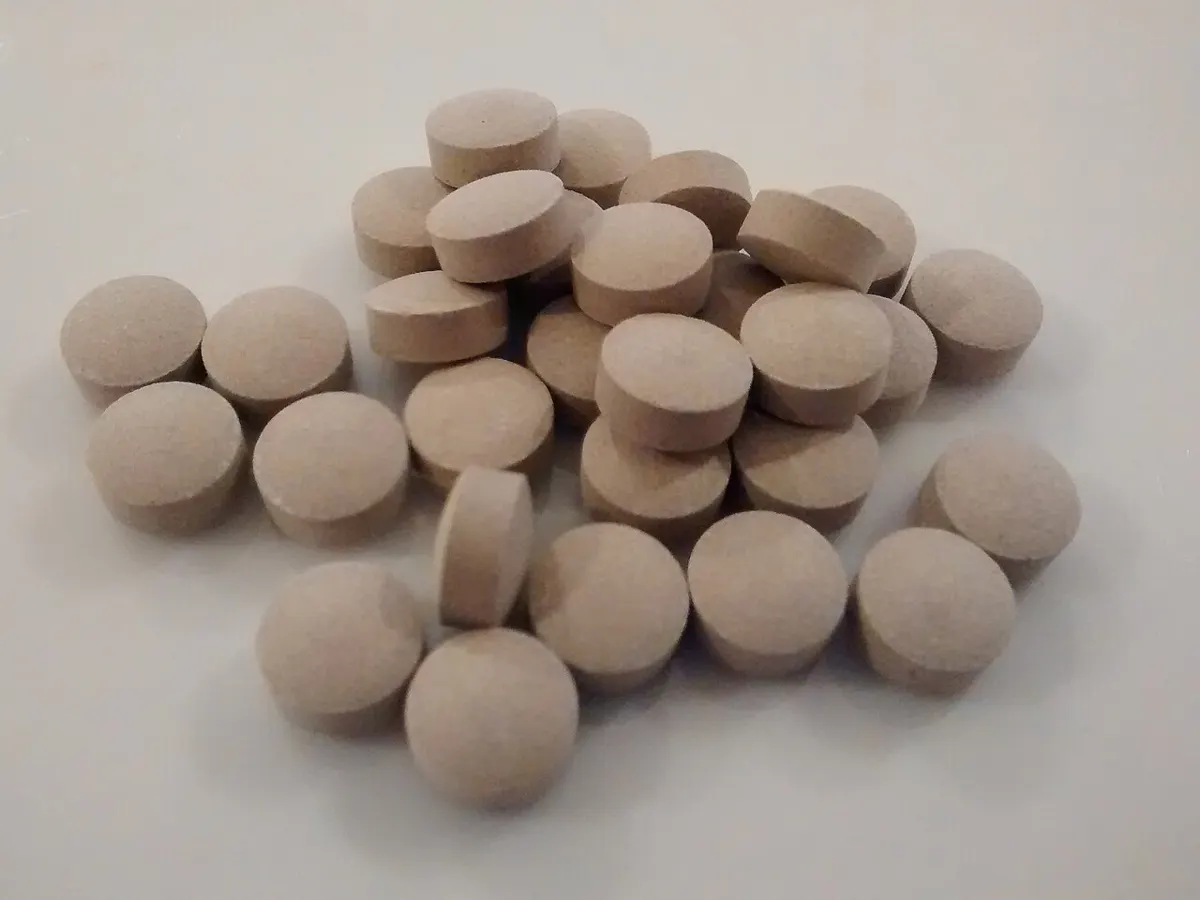
Klonopin causes confusion on drug tests in two opposite directions. Some people who have never taken it get a benzodiazepine result they cannot explain. Many more people who take it exactly as prescribed get a negative that makes their doctor or employer wonder whether they are taking it at all. Both problems come from the same place: the way benzodiazepine screens are built. This guide explains how clonazepam is detected, what can produce a misleading result in either direction and how to get an accurate answer.
The short answer
A standard urine benzodiazepine screen is an immunoassay that reacts to a family of related molecules rather than to clonazepam specifically. That has two consequences:
- False positives for benzos are possible from a few non-benzo medicines, most often the antidepressant sertraline (Zoloft), the anti-inflammatory oxaprozin (Daypro) and the HIV drug efavirenz. Confirmation testing rules these out.
- False negatives for Klonopin are common. Clonazepam's main metabolite, 7-aminoclonazepam, reacts weakly with many screening kits, so people taking normal doses can screen negative.
The fix for both is the same: a confirmation test by LC-MS/MS or GC-MS that looks for clonazepam and 7-aminoclonazepam by name.
What Klonopin is and why it gets tested
Klonopin is the brand name for clonazepam, a long-acting benzodiazepine prescribed mainly for panic disorder and certain seizure disorders, and sometimes off-label for other conditions such as sleep problems or restless legs. It is a Schedule IV controlled substance in the United States, which means it has accepted medical use but also a recognized risk of dependence and misuse.
That status is why it shows up in testing. Employers include benzodiazepines on 10-panel and expanded screens. Pain clinics and addiction treatment programs test patients regularly to check that prescribed medicines are being taken and that nothing unexpected is present. Hospitals screen for benzos in emergencies and before some procedures. Each of those settings uses the result differently, which matters when something looks wrong.
How a benzodiazepine screen reacts
A screening test uses antibodies that bind to a target molecule. For benzodiazepine screens, the target is usually oxazepam or nordiazepam, metabolites of diazepam (Valium) and several other older benzos. Other benzodiazepines are detected to the extent that they, or their metabolites, look enough like the target to bind.
Clonazepam is chemically a bit different. It has a nitro group that the body converts to an amino group, producing 7-aminoclonazepam, which is the main thing that appears in urine. Very little unchanged clonazepam is excreted. Many immunoassays recognize 7-aminoclonazepam poorly, so it takes a much higher concentration to trigger a positive than it would for oxazepam. Combine that with the fact that Klonopin doses are small, often 0.25 to 2 mg a day, and you get urine levels that frequently sit under the screen's effective cutoff.
Lab screens vary. Some newer kits and those with a glucuronidase step pick up clonazepam more reliably, and some labs run a dedicated benzo confirmation on every sample in pain-management programs. But in an ordinary workplace or point-of-care cup, missing clonazepam is a well-known limitation.
When you test positive for benzos and did not take Klonopin
If a screen comes back positive for benzodiazepines and you have not taken Klonopin or any other benzo, there are a few likely explanations.
Sertraline (Zoloft)
Sertraline is the best-documented cause of a benzodiazepine false positive. Case reports and package inserts for several screening kits note cross-reactivity, particularly at higher doses. Because sertraline is one of the most prescribed antidepressants, this comes up a lot.
Oxaprozin (Daypro)
This prescription anti-inflammatory used for arthritis has been linked to benzodiazepine false positives on several immunoassays for many years and is listed in many lab references.
Efavirenz
The HIV medicine efavirenz, found in some combination tablets, has been reported to cause false positives on benzodiazepine screens as well as cannabinoid screens.
Other reported causes
Isolated reports exist for a handful of other medicines, but they are much less consistent. If you take any regular prescription, write it down and have it ready. Our wider guide to false positive drug tests for benzodiazepines covers the full list in more detail.
A true positive from something else
Sometimes the screen is correct and the source is unexpected: a sleeping tablet that turns out to be a benzo, a medicine given in hospital before a procedure, or a pill from someone else that was not what it was claimed to be. Counterfeit tablets sold as Xanax or other medicines frequently contain designer benzodiazepines or other drugs. Confirmation testing will identify the exact compound.
Does Klonopin cause false positives for other drugs?
People sometimes ask whether taking clonazepam can make them test positive for something unrelated, such as amphetamines or opiates. There is no well-established cross-reactivity of that kind. Klonopin is expected to show up, if at all, on the benzodiazepine line. If you take Klonopin and see a positive for another class, look for a different cause, such as another medication, a supplement or an actual exposure, and ask for confirmation.
What Klonopin can do is produce a true positive for benzodiazepines that someone else misreads as a problem. If you take it with a valid prescription, that is not a false positive. It is an accurate result that the medical review process is designed to handle.
When you take Klonopin and the test comes back negative
This is the more common Klonopin problem, and it can be just as stressful as a false positive. In pain clinics, addiction treatment programs and some psychiatric practices, a negative for a prescribed medicine can raise concerns that the patient is not taking it, or is giving it to someone else. That can lead to a difficult conversation or, in some clinics, a change to the prescription.
The likely explanations are usually innocent:
- Screen insensitivity: the immunoassay simply did not react to 7-aminoclonazepam at the concentration in your urine.
- Low dose: a 0.5 mg tablet produces far less metabolite than most benzo screens are tuned for.
- As-needed dosing: if you take it only for occasional panic attacks, it may have cleared since your last dose.
- Dilute urine: drinking a lot before the test lowers metabolite concentration.
If this happens to you, ask calmly whether the result was confirmed by LC-MS/MS or GC-MS with 7-aminoclonazepam on the menu. Many labs offer a targeted benzodiazepine confirmation panel that includes it. A confirmed result is far more meaningful than a cup reading.
How long Klonopin stays detectable
Clonazepam has a long half-life, typically quoted as around 30 to 40 hours and ranging widely between people. That is longer than alprazolam (Xanax) and lorazepam (Ativan), though shorter than diazepam's active metabolites. Approximate detection windows:
- Urine: about 5 to 7 days after occasional use on a test that detects it well, and potentially several weeks after long-term daily use. On a screen that detects it poorly, the practical window can be much shorter.
- Blood: about 1 to 3 days, longer with regular dosing.
- Saliva: roughly a few days, depending on dose and the kit.
- Hair: up to about 90 days with a standard sample, starting a week or so after use.
Age, liver function, other medicines that affect the CYP3A4 enzyme and how long you have been taking it all move these numbers. If you want a comparison of benzodiazepine windows, the cutoff figures on our cutoff levels page are a useful reference point.
Screening, confirmation and the medical review
In any properly run workplace program, a non-negative screen is confirmed in the lab before it is reported. Confirmation by mass spectrometry identifies the exact benzodiazepine and measures how much is present. Sertraline, oxaprozin and efavirenz do not produce clonazepam or 7-aminoclonazepam, so a false positive screen from those medicines disappears at this stage.
Confirmed results then go to a Medical Review Officer, a physician who contacts you privately. If you have a valid Klonopin prescription, give the MRO your pharmacy and prescriber details. The MRO verifies the prescription and normally reports the result to the employer as negative. The employer generally does not learn which medicine you take. Our explainer on screen versus confirmation results walks through the stages in more depth.
In clinical settings, the process is less formal. Your doctor may receive a screening result directly. If the result does not match what you take, ask whether it was confirmed, and if not, ask for confirmation before any decision is made about your treatment.
Klonopin and workplace testing
Most employers only find out about benzodiazepines if they use a 10-panel or expanded test. Basic 5-panel tests do not include them. If your employer does use a wider panel, a valid prescription is your answer, and you do not have to tell the employer about it in advance in most private-sector programs. The MRO handles it.
There are exceptions. In safety-sensitive roles, an MRO who confirms a prescription can still raise a safety concern if the medicine could affect your ability to do the job safely, such as operating heavy equipment while sedated. That is not a failed test, but it can lead to a fitness-for-duty discussion. If you are curious how this plays out at a large employer, our page on whether Amazon drug tests for benzodiazepines gives a real-world example.
What to do if your result looks wrong
- Do not panic and do not argue at the collection site. Screening results are provisional.
- Write down every medicine and supplement you take, with doses, including over-the-counter products.
- Have your Klonopin prescription details ready: pharmacy name, prescriber and the label if possible.
- Ask whether the result was confirmed, and by which method. LC-MS/MS or GC-MS is the standard.
- If you took nothing, say so, and mention sertraline, oxaprozin or efavirenz if you take them.
- Ask about a split sample if a confirmed result still seems wrong. Many programs keep a sealed portion that another lab can test.
Checking at home
A home benzodiazepine test can tell you what a basic screen is likely to show, but it has the same limitations as the cup at the collection site, including weak detection of clonazepam on many kits. That makes it more useful for checking whether some other medicine is triggering a false positive than for proving you are taking Klonopin. If you test at home, read the package insert. Good kits list their cross-reactivity for each benzodiazepine and the concentration needed to trigger a positive, which tells you how sensitive the kit is to 7-aminoclonazepam.
Ad: we may earn a commission if you buy through this link. Information only, not medical or legal advice. Tampering with a drug test can be illegal and usually counts as a refusal. The only sure way to pass is to not use.
Designer benzodiazepines and counterfeit pills
A growing share of unexpected benzo results comes from designer benzodiazepines such as etizolam, flualprazolam and bromazolam. These are sold online or pressed into counterfeit tablets that look like Klonopin or Xanax. Some react with standard screens, some do not, and most are only identified by specialized confirmation tests. If you bought tablets outside a pharmacy, you cannot be sure what they contain, and a test result may not match what you thought you took. Counterfeit pills can also contain fentanyl, which makes them far more dangerous than genuine clonazepam.
Never stop Klonopin suddenly
If you take Klonopin regularly, do not stop it to clear a drug test. Stopping a benzodiazepine abruptly after regular use can cause severe withdrawal, including rebound anxiety, insomnia and, in some cases, seizures. Because clonazepam is also prescribed to control seizures, stopping it can be especially risky for people with epilepsy. Any change should be planned with your prescriber, who will usually recommend a slow taper over weeks or months.
Klonopin in pain-management and treatment programs
Pain clinics and opioid treatment programs pay close attention to benzodiazepines, because combining them with opioids raises the risk of dangerous breathing problems. If you are prescribed both, your clinic will usually test regularly and expect to see each medicine. Tell the clinic about your Klonopin prescription up front, ask what their lab panel includes and request that benzodiazepine confirmation includes 7-aminoclonazepam. Clinics that understand the limits of screening cups will usually agree, and it protects you from being judged on a reading that never had a fair chance of detecting your medicine.
How Klonopin compares with other benzos on a test
Not every benzodiazepine behaves the same way on a screen, and comparing them helps explain why Klonopin results are so often disputed.
- Diazepam (Valium): breaks down into nordiazepam and oxazepam, the very molecules most screens are built around. It is detected easily and, with regular use, for a long time.
- Chlordiazepoxide (Librium) and temazepam (Restoril): also produce oxazepam or related metabolites and are generally picked up well.
- Alprazolam (Xanax): usually detected on most screens, though its window is shorter than diazepam's.
- Lorazepam (Ativan): excreted mostly as a glucuronide, which some screens miss unless the lab treats the sample with an enzyme first.
- Clonazepam (Klonopin): excreted mostly as 7-aminoclonazepam, one of the hardest metabolites for standard screens to see.
So two people on similar doses of different benzos can get very different screening results, and neither result says much about whether they took their medicine as prescribed.
Reading a lab report that mentions clonazepam
If you get a copy of a confirmed lab report, the benzodiazepine section will usually list each compound tested with a cutoff and a result. For Klonopin, the line to look for is 7-aminoclonazepam, sometimes shown alongside clonazepam itself. A result listed as detected or positive with a number in ng/mL means the lab found it above its confirmation cutoff. Not detected means it was below that cutoff, which can happen with low doses or dilute urine even when the medicine is being taken.
A report showing a different benzo entirely, such as alprazolam or a designer compound, points to another source. A screen marked positive with every confirmation line negative usually means a cross-reacting medicine triggered the screen.
Hospital and emergency department screens
Emergency departments often use rapid urine screens to guide treatment rather than to make formal findings. These results are not usually confirmed, and they share the same blind spots as other immunoassays. A benzo-negative ER screen does not prove someone has not taken clonazepam, and a positive does not identify which benzo is involved. If an ER result later affects your job, insurance or a legal matter, ask whether a confirmed test exists. An unconfirmed hospital screen is weak evidence on its own.
Klonopin with alcohol and other substances
Klonopin and alcohol both slow the central nervous system, and the combination can cause heavy sedation, memory gaps and slowed breathing. The same is true of combining it with opioids, sleep medicines or some antihistamines. A drug test cannot tell you whether a combination is safe, but a positive for several sedating drug classes on the same report is something your doctor will want to discuss. If you take Klonopin, ask your prescriber which other medicines and drinks to avoid.
Older adults and Klonopin testing
Older adults clear clonazepam more slowly, so it can stay detectable longer and accumulate with regular dosing. They are also more likely to take several medicines at once, including sertraline and other drugs that can confuse a benzo screen. Care homes, rehabilitation units and surgery pre-assessments sometimes run urine screens, and an unexpected result can cause needless worry for patients and families. A simple, up-to-date medication list kept in a wallet or phone is the quickest way to make sense of any result.
Supplements and herbal products
Some sleep and anxiety supplements sold online have been found to contain undeclared prescription drugs, including benzodiazepines and related compounds. If you test positive for benzos and the only new thing you have taken is a supplement, bring the bottle to the conversation. A confirmed lab result naming the compound can help show what was in it.
Questions to ask the lab or clinic
- Which benzodiazepine screen did you use, and what is its cutoff?
- Does the kit's package insert list its cross-reactivity with 7-aminoclonazepam?
- Was the result confirmed, and if so, which compounds were on the confirmation panel?
- Was the sample treated with glucuronidase before screening?
- Was the sample flagged as dilute?
These are reasonable technical questions, and the answers usually explain a puzzling result within minutes.
Key points to remember
- Benzodiazepine screens react to a family of drugs, not to clonazepam specifically.
- Sertraline, oxaprozin and efavirenz are the best-known causes of a benzo false positive.
- Klonopin is often missed by standard screens because 7-aminoclonazepam reacts weakly.
- Confirmation by LC-MS/MS or GC-MS settles both kinds of error.
- A valid prescription, verified by the MRO, is normally reported to employers as negative.
- Never stop regular Klonopin suddenly to try to pass a test.
Getting help
This page is general information, not medical or legal advice. Speak to your prescriber before making any change to your medication. If benzodiazepine use is causing problems for you or someone you care about, the free, confidential SAMHSA National Helpline is open 24/7 at 1-800-662-4357. In a crisis, call or text 988.
Sources
Detection windows, cutoffs and procedures on this page are based on these public sources. Individual results vary; this is information, not medical or legal advice. See how the DrugTestAnswers Editorial Team checks facts.
- HHS/SAMHSA, Mandatory Guidelines: Authorized Testing Panels, Federal Register, 13 Mar 2026
- HHS/SAMHSA, Mandatory Guidelines for Federal Workplace Drug Testing Programs using Urine, Federal Register, 12 Oct 2023
- Moeller KE et al., "Clinical Interpretation of Urine Drug Tests", Mayo Clinic Proceedings, 2017 (PubMed)
- MedlinePlus Medical Encyclopedia: Urine drug screen
- SAMHSA National Helpline (free, confidential, 24/7)
Questions people ask
Can Klonopin cause a false positive drug test?
Klonopin causes a true positive for benzodiazepines when a test detects it. It is not known to cause false positives for unrelated drug classes. A valid prescription is handled by the Medical Review Officer.
Why did my drug test not show Klonopin?
Many benzodiazepine screens react weakly to 7-aminoclonazepam, clonazepam's main urine metabolite, and Klonopin doses are small. A targeted LC-MS/MS confirmation is much more reliable.
What can cause a false positive for benzodiazepines?
The best-documented causes are sertraline (Zoloft), oxaprozin (Daypro) and efavirenz. Confirmation testing rules them out.
How long does Klonopin stay in your urine?
Roughly 5 to 7 days after occasional use on a test that detects it well, and potentially weeks after long-term daily use.
Does a 5-panel drug test detect Klonopin?
No. Standard 5-panel tests do not include benzodiazepines. They appear on 10-panel and expanded panels.
Should I tell my employer I take Klonopin before a drug test?
In most private-sector programs you do not need to. If the result confirms positive, the Medical Review Officer will ask about prescriptions privately.
Ad: we may earn a commission if you buy through this link. Information only, not medical or legal advice. Tampering with a drug test can be illegal and usually counts as a refusal. The only sure way to pass is to not use.
No product can promise you a pass, and the only certain way is to not use. Tampering with a drug test can be illegal and is usually treated as a refusal. We never help anyone beat DOT, federal, safety-sensitive, or court-ordered tests. If substance use is getting on top of you, call the free, confidential SAMHSA National Helpline on 1-800-662-4357 (24/7, English and Spanish), or call or text 988 in a crisis. Source: samhsa.gov.