Hair Follicle Test and Secondhand Smoke: Can Being Around Weed, Crack or Meth Smoke Make You Fail?
Old Style Aloe Toxin Rid, sold direct by TestClear. Read our how-to before you buy.
Ad: we may earn a commission if you buy through this link. Information only, not medical or legal advice. Tampering with a drug test can be illegal and usually counts as a refusal. The only sure way to pass is to not use.
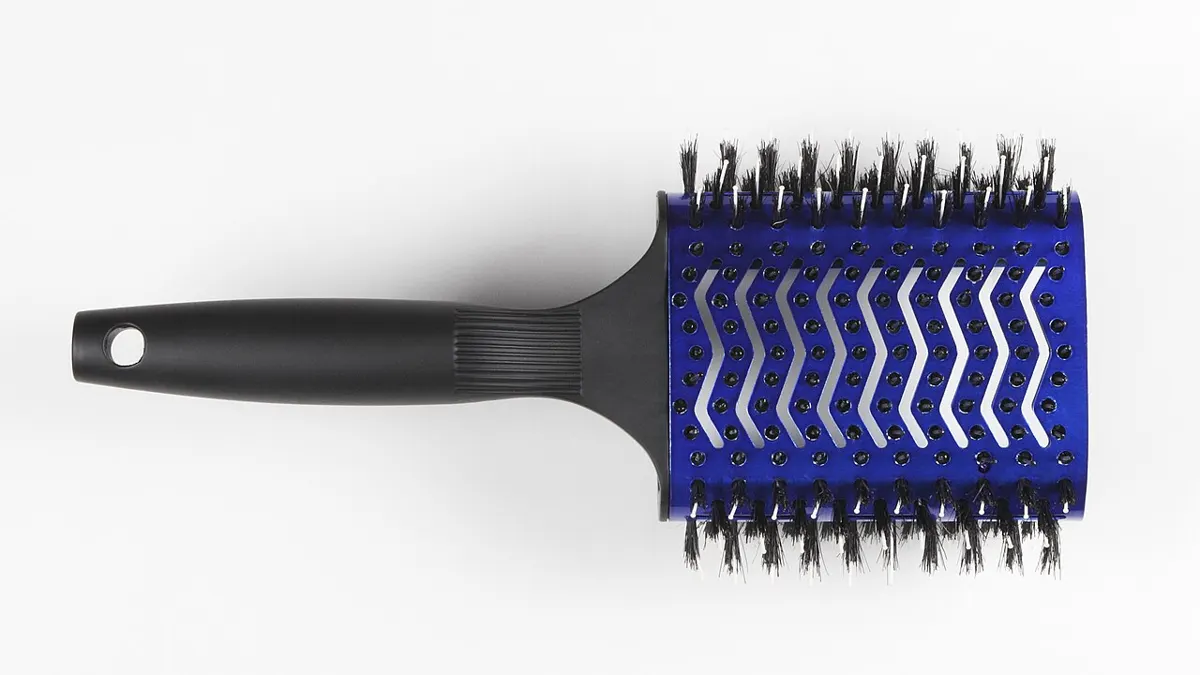
Being around someone else's smoke can leave drug residue on your hair, and that's the reason many people worry a hair follicle test will flag them for something they never used. For marijuana, a well-run lab is built to handle this: it washes the hair and looks for a breakdown product that only forms inside the body, so ordinary secondhand weed smoke is very unlikely to cause a confirmed positive. Cocaine and methamphetamine are a different story, because heavy, repeated exposure to those smokes has produced positive hair results in studies. Here's how it works, where the real risks are, and what to do if you're worried. We may earn a commission if you buy through our links.
Two ways a drug can get into hair
Drugs reach hair in two very different ways, and the whole secondhand smoke question comes down to telling them apart:
- From the inside. When you use a drug, it circulates in your blood and is built into the hair as it grows from the root. This is what a hair test is designed to measure.
- From the outside. Smoke, powder or residue settles on the hair surface. Some of it can soak into the outer layers, especially if the hair is damaged, porous or chemically treated.
Labs know about outside contamination and use several tools to separate it from real use.
How labs guard against smoke contamination
- Washing. Before testing, the sample is washed with solvents to strip surface residue. Many labs keep the final wash and test it too. If the wash has a lot of drug compared with the hair itself, that pattern suggests contamination rather than use.
- Testing for metabolites. A metabolite is a compound your body makes when it breaks a drug down. Smoke contains the drug, not the metabolite, so finding a metabolite inside the hair points to the drug having passed through a body.
- Cutoffs. Results must clear set concentrations in picograms per milligram of hair, which are chosen to sit above typical low-level environmental exposure. Our cutoff levels table lists typical values.
- Confirmation. Every screen positive is rechecked by mass spectrometry, which identifies the exact compounds and their amounts.
Secondhand marijuana smoke
This is by far the most common worry, and the good news is that the testing method helps you here. Many hair labs confirm marijuana by looking for THC-COOH (carboxy-THC), the main metabolite your liver makes from THC. Cannabis smoke contains THC but essentially no THC-COOH, so smoke settling on your hair doesn't give the lab the marker it's looking for. Studies that deliberately exposed hair to cannabis smoke found THC on the hair, while THC-COOH stayed absent or far below cutoffs.
A few caveats keep this from being a blanket promise:
- Not every lab tests only for the metabolite. A test that relies on parent THC alone is more open to contamination arguments. You can ask which marker was confirmed.
- A contact high is a different situation. If you spent hours in a closed room or car thick with smoke and felt high, you actually absorbed THC into your bloodstream, and some of it was metabolized. That's rare, but it isn't the same as walking past someone at a concert.
- Handling the plant or oils. Touching cannabis and then your hair can transfer THC to the surface. Washing and the metabolite test are designed to deal with this too.
If you've used marijuana yourself, that use is far more likely to decide the result than anyone else's smoke. Our page on whether a hair follicle test can detect weed covers how use shows up and for how long.
Secondhand crack cocaine smoke
Cocaine is the drug where environmental contamination has been studied most, and it's a real concern. Cocaine residue and smoke stick to hair and can survive standard washes, especially on damaged hair. Researchers have found cocaine in the hair of people who lived or worked around heavy use without using it themselves, including children living in homes where adults used crack. Labs respond by looking at metabolites such as benzoylecgonine, norcocaine, cocaethylene and the hydroxycocaines, and at the ratio of those to cocaine. A result with plenty of cocaine but little metabolite is the classic contamination pattern. Our guide to cocaine false positives on hair tests explains those markers in depth.
Secondhand meth smoke
Methamphetamine smoke leaves residue on surfaces, clothing and hair, and homes where meth is smoked or made can stay contaminated for a long time. Studies of children removed from such homes have frequently found methamphetamine in their hair. Methamphetamine's main metabolite is amphetamine. Contamination tends to leave methamphetamine with little or no amphetamine alongside it, so the ratio between the two is one of the things labs and experts look at. If you live in or recently moved into a place where meth was used, mention it at collection and to the medical review officer.
Secondhand tobacco smoke
Here the answer is a clear yes, but it rarely matters for a job. Nicotine from tobacco smoke builds up in the hair of nonsmokers who live or work around smokers, and researchers actually use hair nicotine to measure secondhand smoke exposure. Standard employment hair panels don't include nicotine at all, though. It only comes up for things like some insurance tests or smoke-free hiring policies, which normally use a cotinine test in urine or saliva rather than hair.
Ad: we may earn a commission if you buy through this link. Information only, not medical or legal advice. Tampering with a drug test can be illegal and usually counts as a refusal. The only sure way to pass is to not use.
Risk at a glance
| Exposure | Can it cause a confirmed positive? | Why |
|---|---|---|
| Brief secondhand weed smoke | Very unlikely | Labs wash hair and often confirm THC-COOH, which smoke doesn't contain |
| Hours in a sealed, smoke-filled space | Unlikely but possible | You may absorb and metabolize real THC |
| Living with a heavy crack user | Possible | Cocaine contamination is well documented; metabolite ratios help sort it out |
| Living in a meth-contaminated home | Possible | Positive hair results have been documented in exposed children |
| Secondhand cigarette smoke | Nicotine shows, but it's not on drug panels | Used in research, not employment screening |
What to do if you're worried
- Tell the medical review officer. A confirmed positive goes to an MRO before the employer. Explain the exposure plainly. The MRO can't overturn a positive on your word alone, but it becomes part of the record.
- Ask what was confirmed. Ask whether the lab measured a metabolite (THC-COOH for marijuana, benzoylecgonine and others for cocaine) and whether wash results were evaluated.
- Request a retest of the same sample. Labs typically keep part of the sample, and you can usually ask to have it tested at another certified lab, often at your own cost and within a set deadline.
- Limit ongoing exposure. Avoid smoky rooms and cars in the months before a test, and wash your hair and clothes after unavoidable exposure.
Product facts: Old Style Aloe Toxin Rid
Because secondhand smoke sits on the outside of hair, people often wonder about clarifying shampoos. The one most often mentioned is Old Style Aloe Toxin Rid from TestClear:
- What TestClear claims: a deep-cleansing shampoo intended to remove residue, oils and buildup from hair and scalp.
- The maker's directions, short version: wash with a regular shampoo first, apply Aloe Toxin Rid to damp hair and scalp, leave it on for 10 to 15 minutes, rinse, and repeat over several days before testing.
- What isn't proven: no independent published study shows it gets anyone past a hair drug test. Labs already wash away surface residue, and drugs from actual use sit inside the hair shaft, where a shampoo isn't shown to reach.
To see the product page, you can view Old Style Aloe Toxin Rid at TestClear. Our Aloe Toxin Rid review and how-to guide goes into the claims and what's missing.
Find out before the real test
If you've been around a lot of smoke and want peace of mind, a home hair test kit lets you send a sample to a lab and see results by drug class before your actual test. Our guide to the best hair follicle drug test kits compares options, and our page on how hair drug tests work explains the lab process.
Sources and method
This page draws on published forensic toxicology research on external contamination of hair, including cannabis smoke exposure studies, cocaine contamination and metabolite ratio work, and hair testing of children from drug-exposed homes. Product directions are summarized from TestClear's own page. We don't run lab tests; see our editorial methodology.
Regulated tests
Nothing here is meant for DOT-regulated, FAA, federal employee, military, or court, probation and parole testing. Tampering with those tests can count as a refusal and may be illegal.
Disclaimer and help
Informational only, not medical or legal advice. Tampering with a drug test may be illegal and can count as a refusal or failed test. The only sure way to pass is not to use. For free, confidential help any time, call the SAMHSA National Helpline at 1-800-662-4357. If you're in crisis, call or text 988.
Questions people ask
Can secondhand weed smoke make you fail a hair follicle test?
It's very unlikely. Labs wash the hair and many confirm THC-COOH, a metabolite your body makes that isn't present in smoke.
Does a contact high show up in hair?
Rarely. Heavy exposure in a closed space can mean you absorbed real THC, which is different from brief secondhand smoke.
Can living with a crack user cause a positive hair test?
It can. Cocaine contamination of hair is well documented, and labs use metabolite ratios and wash tests to judge it.
Will secondhand cigarette smoke show on a hair drug test?
Nicotine can build up in hair, but standard employment drug panels don't test for it.
What should I tell the MRO about smoke exposure?
Describe the exposure honestly and ask which markers were confirmed and whether wash results were reviewed.
Can I get my hair sample retested?
Usually yes. Labs keep part of the sample, and you can typically request a retest at another certified lab within a deadline.
Ad: we may earn a commission if you buy through this link. Information only, not medical or legal advice. Tampering with a drug test can be illegal and usually counts as a refusal. The only sure way to pass is to not use.
No product can promise you a pass, and the only certain way is to not use. Tampering with a drug test can be illegal and is usually treated as a refusal. We never help anyone beat DOT, federal, safety-sensitive, or court-ordered tests. If substance use is getting on top of you, call the free, confidential SAMHSA National Helpline on 1-800-662-4357 (24/7, English and Spanish), or call or text 988 in a crisis. Source: samhsa.gov.