Can You Buy a 12-Panel Drug Test? Where to Get One, What It Screens For and What It Costs
Ad: we may earn a commission if you buy through this link. Information only, not medical or legal advice. Tampering with a drug test can be illegal and usually counts as a refusal. The only sure way to pass is to not use.
Updated ·  Written by Daniel Brooks ·
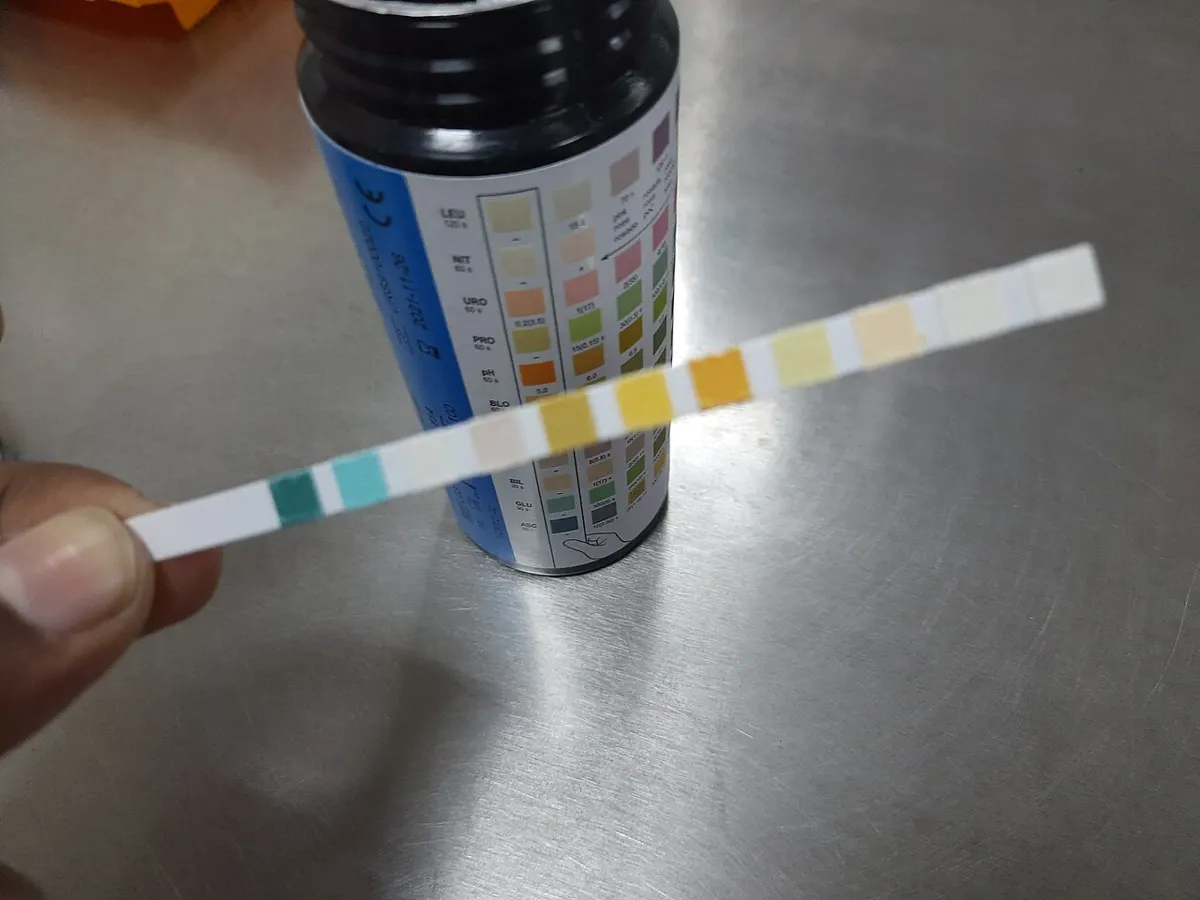
Yes, brother, you can buy a 12-panel drug test yourself. No prescription, no doctor's note, no employer account needed. They're sold online, at some pharmacies and through medical supply stores as cups and dip cards. The catch is that "12-panel" isn't one fixed product, so it pays to know what's actually on the card before you spend money.
This guide is information only, not medical or legal advice. It covers what a 12-panel usually screens for, where to get one, what it costs, and how to read it without fooling yourself.
The short answer
Anyone in the United States who is an adult can legally buy a 12-panel urine drug test for personal use. Parents buy them to check on a teenager, people in recovery buy them to keep themselves honest, small businesses buy them in bulk for their own non-regulated workplace programs, and plenty of people buy one to see where they stand before a job screen. What you can't do with a store-bought cup is use it as an official result for an employer, a court or a licensing board. Those need a chain-of-custody collection and, for a non-negative, a lab confirmation.
What "12-panel" means
A "panel" is one drug or drug class the test checks for. Each panel is a separate strip inside the cup or on the dip card, and each strip has its own cutoff level. A 12-panel test simply has twelve of those strips. Manufacturers pick which twelve, so two 12-panel cups from different brands may not screen for the same things.
Here's a common lineup you'll see on many 12-panel cups. Always check the label on the exact product, since brands swap panels in and out.
| Panel code | Drug or class | Typical cutoff on home cups (ng/mL) |
|---|---|---|
| THC | Marijuana (THC-COOH metabolite) | 50 |
| COC | Cocaine (benzoylecgonine) | 150 or 300 |
| AMP | Amphetamine | 500 or 1,000 |
| mAMP / MET | Methamphetamine | 500 or 1,000 |
| OPI / MOP | Opiates (morphine, codeine, heroin metabolite) | 300 or 2,000 |
| OXY | Oxycodone and oxymorphone | 100 |
| MTD | Methadone | 300 |
| BZO | Benzodiazepines | 300 |
| BAR | Barbiturates | 300 |
| PCP | Phencyclidine | 25 |
| MDMA | Ecstasy / Molly | 500 |
| BUP | Buprenorphine (Suboxone, Subutex) | 10 |
Some 12-panel versions drop buprenorphine for TCA (tricyclic antidepressants) or propoxyphene, an old painkiller that was pulled from the US market in 2010 but still shows up on some cards. A few newer cups add fentanyl, which is worth looking for given how often fentanyl now turns up in street drugs. For the federal workplace cutoffs used by certified labs, see our cutoff levels page.
12-panel vs 5, 10 and 14-panel
The number of panels mostly tells you how wide the net is. A 5-panel covers the classic federal set: marijuana, cocaine, amphetamines, opiates and PCP. A 10-panel adds prescription-type drugs like benzodiazepines, barbiturates, methadone and often oxycodone. A 12-panel usually adds a couple more on top, such as MDMA and buprenorphine. A 14-panel goes wider again. If you want the side-by-side, our guide on how a 5-panel works explains the base set, and the comparison of 10 and 14-panel tests covers the bigger kits.
More panels isn't automatically better. Each extra strip is one more chance for a cross-reaction with a medicine you take legally. If you only care about one or two substances, a single-drug test is cheaper and simpler.
Where you can buy a 12-panel drug test
- Online retailers: the widest selection by far. You'll find single cups, multi-packs and bulk boxes of 25 or more.
- Drug-testing specialty shops: sellers like TestClear carry multi-panel cups and dip cards along with single-drug tests, and usually list the cutoff for every panel on the product page, which is exactly what you want to see before buying.
- Pharmacies: big chains stock some home drug tests in the family planning or diagnostics aisle. Store shelves lean toward 5 to 12-panel kits, and selection varies by location, so call ahead.
- Medical and lab supply companies: aimed at clinics and employers, often priced for bulk buyers.
- Local testing centers and urgent cares: they don't sell you a cup, but they'll run a 12-panel for you with optional lab confirmation, which matters if you need an official result.
Cups vs dip cards
A test cup is the all-in-one version. You pee into the cup, close the lid, and the strips built into the side wick up the sample. Many cups include a temperature strip and a peel-off label covering the results window. They're cleaner and easier to use.
A dip card is a flat panel of strips that you dip into urine you've collected in a separate clean cup. They're usually cheaper per test and work the same way chemically, but they're a little messier. If you're testing once, the cup is worth the extra couple of dollars. If you're testing regularly, dip cards save money.
What does a 12-panel cost?
Prices move around, but here's the rough picture for home tests in the US:
- Single 12-panel cup bought retail: usually somewhere around $10 to $25.
- Multi-packs and bulk boxes: the per-test price can drop well under $10.
- Dip cards: generally a little cheaper than cups.
- Lab-run 12-panel at a testing center: often $50 to $150 or more, depending on whether you want lab confirmation and a medical review.
Watch out for the cheapest no-name listings. Look for the manufacturer's name, a lot number, an expiration date and clear package instructions. If a listing can't tell you the cutoff for each panel, skip it.
Is a home 12-panel test accurate?
Home cups use the same basic method as the instant screens many employers use: lateral-flow immunoassay. Antibodies on each strip grab the target drug if it's present above the cutoff. Done right, they're good screening tools, but they are screens, not proof.
- False positives happen. Some antidepressants, antihistamines, decongestants, certain antibiotics and other medicines can cross-react on some panels. Our page on screens vs confirmations explains why labs confirm with GC-MS or LC-MS/MS.
- Cutoffs differ. A home cup with an OPI cutoff of 300 will flag things a 2,000 cutoff lab screen would not, and vice versa for other panels.
- Timing matters. Most cups want you to read results at about 5 minutes. Reading way too late can show faded or ghost lines that mean nothing.
How to use a 12-panel cup the right way
- Check the expiration date and leave the sealed pouch alone until you're ready.
- Let the cup and the sample be at room temperature if the instructions say so.
- Use first-morning urine if you want the most conservative result, since it's usually the most concentrated.
- Fill to the line, close the lid tightly and set it on a flat surface.
- Start a timer and read at the time the instructions give, usually 5 minutes.
- Read every panel one by one. Don't skip the control line check.
Ad: we may earn a commission if you buy through this link. Information only, not medical or legal advice. Tampering with a drug test can be illegal and usually counts as a refusal. The only sure way to pass is to not use.
How to read the results
This trips up a lot of people because it's backwards from what you'd expect:
- Two lines (C and T) on a panel = negative for that drug, even if the T line is faint.
- Only one line (C) on a panel = presumptive positive for that drug.
- No C line = invalid. That strip didn't work, so the result for that panel can't be trusted.
A faint test line still counts as a line. Our full walkthrough on how to know if a drug test kit is positive goes into faint lines, timing and common mistakes.
Who usually needs a 12-panel?
- People in recovery who use several substances and want one test that covers them all, including buprenorphine to confirm prescribed treatment is being taken.
- Parents who aren't sure what a teen might be using.
- Private employers in some industries, such as healthcare, home care and security, that want prescription drug classes covered beyond the basic 5-panel. The workplace section explains how employer programs work.
- Treatment programs and sober living homes that do regular monitoring.
- Anyone with a job screen coming up who wants to check that prescription medicine or something from weeks ago isn't going to cause a surprise.
If you take prescription medicine
A 12-panel catches several drug classes that are often prescribed legitimately: benzodiazepines for anxiety, amphetamines for ADHD, oxycodone for pain, buprenorphine for opioid use disorder. A home positive on one of those panels doesn't mean you did anything wrong. In a real workplace program, a lab confirms the result and a Medical Review Officer (MRO) can verify your prescription before reporting it to the employer. Keep your prescription details handy, and don't stop a prescribed medicine without talking to your doctor.
Detection windows to keep in mind
The panel only tells you what's there right now above the cutoff. How long each drug stays detectable depends on the drug, the dose and how often you use. Rough urine windows: cocaine about 2 to 4 days, amphetamines about 1 to 3 days, most opiates 1 to 3 days, benzodiazepines from days to weeks depending on the drug, and marijuana from a few days for occasional use to a month or more for heavy daily use. Our sourced detection table and the detection window calculator go deeper.
Home test vs official test
A home 12-panel is for your own information. It won't satisfy an employer, a landlord or anyone else, because there's no proof whose sample it was. If someone needs a documented result, go to a testing center that uses chain-of-custody paperwork and lab confirmation. If a home test comes up positive on something you don't use, a lab test with confirmation is also the way to clear it up. We compare the two in are lab drug tests harder to pass.
Storage and shelf life
Keep tests in their sealed foil pouches, in a cool, dry place away from direct sun. Most have a shelf life of around 18 to 24 months from manufacture, but trust the expiration date printed on the pouch. Heat and humidity damage the strips, so a glovebox in summer is a bad spot. An expired or damaged test is more likely to give invalid results.
Red flags when shopping
- No cutoff levels listed for each panel.
- No brand, no lot number, no expiration date.
- Claims like "100% accurate" or "lab grade" with nothing behind them.
- Prices that look too good to be true from unknown sellers.
- Panels you can't identify, or abbreviations that don't match the instructions.
The honest bottom line
Buying a 12-panel is easy, legal and cheap, and it's one of the smartest moves if you want facts instead of guesses. Pick a test that lists every panel and cutoff, read it at the right time, and treat any positive as a reason to confirm, not to panic. Nothing on this site is a way around a test: tampering with a drug test may be illegal and is usually treated as a refusal or a failed test, and the only guaranteed way to pass is not to use.
If substance use is starting to run your life, you're not alone. Call the free, confidential SAMHSA National Helpline at 1-800-662-4357, 24 hours a day, 7 days a week. In a crisis, call or text 988.
Sources
Detection windows, cutoffs and procedures on this page are based on these public sources. Individual results vary; this is information, not medical or legal advice. See how the DrugTestAnswers Editorial Team checks facts.
- HHS/SAMHSA, Mandatory Guidelines: Authorized Testing Panels, Federal Register, 13 Mar 2026
- HHS/SAMHSA, Mandatory Guidelines for Federal Workplace Drug Testing Programs using Urine, Federal Register, 12 Oct 2023
- Moeller KE et al., "Clinical Interpretation of Urine Drug Tests", Mayo Clinic Proceedings, 2017 (PubMed)
- MedlinePlus Medical Encyclopedia: Urine drug screen
- SAMHSA National Helpline (free, confidential, 24/7)
Questions people ask
Do I need a prescription to buy a 12-panel drug test?
No. Home urine drug tests are sold over the counter to adults in the US, online and at some pharmacies.
Does a 12-panel drug test check for fentanyl?
Usually not. Most standard 12-panel cups don't include fentanyl. Look for a cup that lists a FEN panel, or buy a separate fentanyl test.
Does a 12-panel test check for alcohol?
Most don't. Some cups add an alcohol strip, but alcohol testing usually needs a separate EtG urine test or a breathalyzer.
Can a 12-panel drug test detect Kratom or K2?
Standard 12-panel cups do not include kratom or synthetic cannabinoids. Those need specific tests.
How long does it take to get results?
Home cups give results in about 5 minutes. Lab-confirmed 12-panel results usually take one to several business days.
Is a faint line on a 12-panel cup positive?
No. Any visible test line, even faint, normally means negative for that panel. A missing test line is the presumptive positive.
Will my employer accept my home 12-panel result?
No. Employers need a test collected under their own procedures, with chain of custody and lab confirmation.
Can I reuse a 12-panel test cup?
No. Each cup or dip card is single-use. Once strips have absorbed urine they can't give a fresh result.
Ad: we may earn a commission if you buy through this link. Information only, not medical or legal advice. Tampering with a drug test can be illegal and usually counts as a refusal. The only sure way to pass is to not use.
No product can promise you a pass, and the only certain way is to not use. Tampering with a drug test can be illegal and is usually treated as a refusal. We never help anyone beat DOT, federal, safety-sensitive, or court-ordered tests. If substance use is getting on top of you, call the free, confidential SAMHSA National Helpline on 1-800-662-4357 (24/7, English and Spanish), or call or text 988 in a crisis. Source: samhsa.gov.