Does Bleach Help Pass a Hair Follicle Test? What Bleaching Really Does to Drug Levels in Hair
Old Style Aloe Toxin Rid, sold direct by TestClear. Read our how-to before you buy.
Ad: we may earn a commission if you buy through this link. Information only, not medical or legal advice. Tampering with a drug test can be illegal and usually counts as a refusal. The only sure way to pass is to not use.
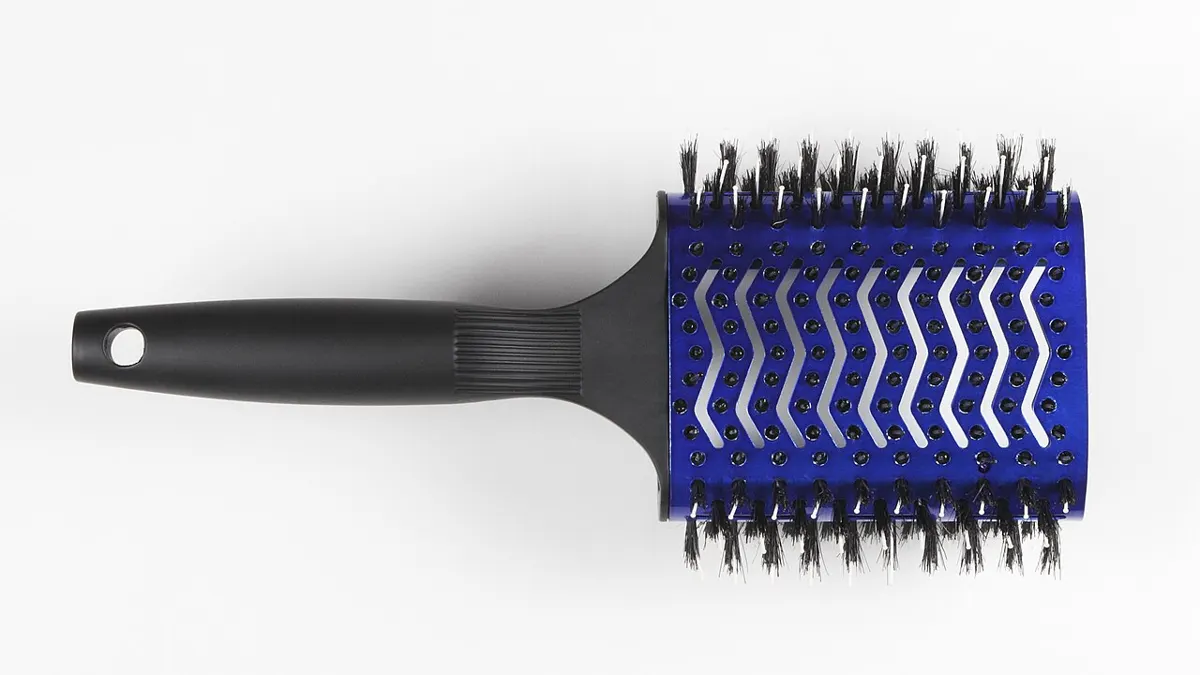
Bleach comes up in almost every conversation about hair drug tests, usually from someone who heard a friend bleached twice and passed. The real picture is messier. Bleaching can lower the amount of some drugs measured in hair, but it doesn't do it evenly, it doesn't get anyone reliably to zero, and it can leave your scalp burned and your hair unusable for a collector. Here's what's actually known, what's guesswork, and what to do instead if the result matters. We may earn a commission if you buy through links on this page.
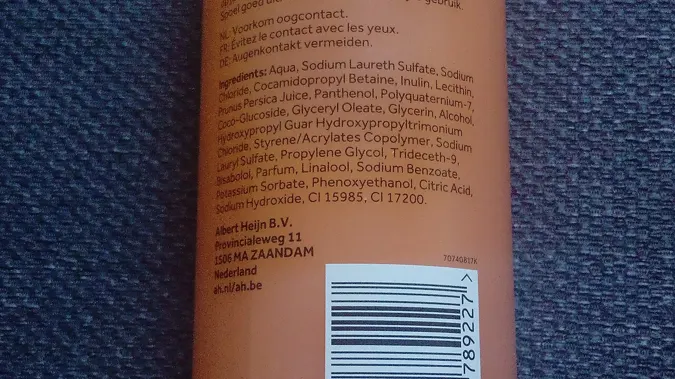
The short answer
Bleach can reduce drug levels in hair, sometimes by a lot, but nobody can tell you in advance whether it will drop your levels below a lab's cutoff. Heavy or recent use often stays detectable even after bleaching. Bleach also damages hair, can burn the scalp, and may lead a collector to take body hair instead, which can reach further back in time. It's a gamble with real side effects, not a reliable way to pass.
Why bleach changes what's in a hair strand
When you use a drug, small amounts travel in your blood to the hair follicle and get locked into the growing strand. Many drugs bind to melanin, the pigment that gives hair its color. Bleach works by oxidizing and breaking down melanin and by opening up the outer cuticle of the hair. When the pigment breaks down and the strand becomes more porous, some of the drug that was bound inside can be broken down or washed out over the following days of shampooing.
That's the reason bleach gets talked about at all. It isn't a myth that cosmetic treatments affect hair test results. Forensic researchers have studied it because it causes real problems for labs and courts. The issue is how much it helps, for which drugs, and how predictable the effect is.
What research has found
Published lab studies on cosmetically treated hair point in the same broad direction:
- Levels often go down. Bleached or chemically treated hair samples have repeatedly shown lower concentrations of drugs such as cocaine, opiates and cannabis markers than untreated hair from the same person.
- The drop varies widely. Some samples lose a small share of their drug content and others lose most of it. Hair type, starting color, the product used, how long it stayed on and how many times it was applied all change the outcome.
- Zero is rare. Reductions are partial. Hair from someone who used regularly or heavily can still test above the cutoff after bleaching.
- Drugs behave differently. Drugs that bind strongly to pigment, like cocaine and amphetamines, may be affected differently from THC markers, which are present in hair at very low amounts to begin with.
None of this research was designed as a how-to. It exists so labs know that treated hair can under-report use. That's a long way from proof that bleaching will get a particular person a negative result.
Why "it worked for my friend" doesn't transfer
Stories of passing after bleach leave out most of the facts that decide a result. The friend may have used lightly, or months ago, or the lab may have used a higher cutoff than they assumed. They may have combined bleach with a shampoo routine, a haircut or simply more time. The people who bleached and still failed rarely post about it. And nobody knows what their levels were before they started, so there's no way to say the bleach was the reason they passed.
What the lab and the collector may notice
Bleaching doesn't make your hair invisible to a test. A few things can happen at collection or in the lab:
- Damaged hair is obvious. Collectors handle hair all day. Freshly over-processed hair looks and feels different, and some labs note cosmetically treated samples on the paperwork.
- Body hair may be collected instead. If head hair is too short, too damaged or too thin for a usable sample, the collector can take hair from the arms, chest, legs or underarms. Body hair grows more slowly and can show use from much further back. Our page on which body hair can be used for testing explains how that works.
- The lab washes the sample anyway. Labs clean hair before analysis to remove surface contamination, so anything sitting on the outside of the strand is gone before testing starts.
- Some tests check for adulteration. Certain labs can look at markers of oxidative damage in hair. Policies vary, but a heavily treated sample can draw extra attention.
Bleach versus dye versus both
| Treatment | What it does to hair | Effect on drug levels |
|---|---|---|
| Permanent dye (no lightening) | Deposits color, mild opening of the cuticle | Smaller effect than bleach in most studies |
| Bleach or high-lift lightener | Breaks down pigment and opens the cuticle | Larger and more variable reductions |
| Bleach followed by dye | Two oxidizing steps in a short time | Often discussed as the "Jerry G" approach; more damage, still no reliable pass |
| Repeated bleaching | Cumulative breakage, possible scalp burns | Diminishing returns with rising risk of hair loss |
If you're only thinking about color, our separate guide on hair dye and hair follicle tests covers dye alone.
Ad: we may earn a commission if you buy through this link. Information only, not medical or legal advice. Tampering with a drug test can be illegal and usually counts as a refusal. The only sure way to pass is to not use.
The physical risks are real
People who bleach for a test tend to do it at home, in a hurry, sometimes more than once in a week. That's where the injuries come from. Leaving lightener on too long, using a high-volume developer or bleaching hair that's already been treated can cause chemical burns, blistering, hair that snaps off at the root and patches of hair loss. Long hair that breaks off can leave too little for a head sample, which brings body hair back into play.
A few safety basics if you color your hair for any reason:
- Never mix bleach with vinegar, ammonia, acids or household cleaners. The fumes can be dangerous to breathe.
- Do a strand test and a patch test first, and follow the product's timing.
- Don't bleach over a scalp that's already irritated from Macujo or other routines.
- Stop and rinse right away if the burning goes beyond mild tingling, and see a doctor for blisters or open skin.
Our page on Macujo method hair damage goes deeper on what harsh routines do to the scalp.
What about bleach plus a detox shampoo?
Many people pair bleaching with a detox shampoo such as Old Style Aloe Toxin Rid from TestClear. TestClear markets that shampoo as a deep-cleansing product for people facing a hair test and gives a multi-day wash schedule; you can read the maker's own directions on the Old Style Aloe Toxin Rid product page. What TestClear says about the product and what's been proven are two different things. There's no independent published evidence that the shampoo, alone or with bleach, reliably gets anyone below a lab cutoff, and combining harsh steps increases the chance of scalp damage. Our Aloe Toxin Rid review and how-to-use guide lays out the maker's schedule and what's known about it.
A better first step: find out where you stand
Before you damage your hair, it's worth knowing whether you'd even screen positive. A home hair test, such as TestClear's Hair Confirm kit under the middle button on this page, has you cut a small sample and mail it to a lab, then gives you a result before your real test. If it comes back negative, you can skip the bleach entirely. If it comes back positive, you'll know your risk honestly and can decide what to do with that time. Our guide to home hair follicle test kits compares the options.
What actually lowers your result
The one thing that dependably changes a hair test is time without use. Head hair grows about half an inch a month, and a standard sample covers roughly the last 90 days. As clean hair grows out from the scalp, the portion of the sample that holds drug use shrinks. Stopping now is the only step that makes your next test more likely to come back clean, and it doesn't damage anything. If stopping is hard, help is free and confidential (see below).
Tests where you shouldn't try anything
Don't use bleach, detox products or any other routine to try to change a DOT, CDL, FAA, federal employee, military, court, probation or parole test. Tampering in those settings can count as a refusal or a failed test and may carry legal consequences. If you're in one of those situations, talk to the program or an attorney instead.
Common mistakes people make with bleach
- Bleaching the night before, then showing up with fried hair the collector flags.
- Assuming one bleach session wipes out months of heavy use.
- Bleaching repeatedly in the same week and losing so much length that body hair gets taken.
- Mixing bleach with vinegar or other products from online "methods."
- Skipping a home test and spending money and hair on a problem they may not have.
Disclaimer and support
This page is general information, not medical or legal advice. We may earn a commission from TestClear links. No bleach, dye or shampoo is proven to beat a hair drug test, and the only sure way to pass is not using during the window the test covers. If you'd like help with substance use, the SAMHSA National Helpline is free, confidential and open 24/7 at 1-800-662-4357. If you're in crisis, call or text 988.
Sources
Detection windows, cutoffs and procedures on this page are based on these public sources. Individual results vary; this is information, not medical or legal advice. See how the DrugTestAnswers Editorial Team checks facts.
- HHS/SAMHSA, proposed Mandatory Guidelines using hair specimens, Federal Register, 10 Sep 2020
- SAMHSA, TAP 32: Clinical Drug Testing in Primary Care
- MedlinePlus (U.S. National Library of Medicine): Drug Testing
- Moeller KE et al., "Clinical Interpretation of Urine Drug Tests", Mayo Clinic Proceedings, 2017 (PubMed)
- SAMHSA National Helpline (free, confidential, 24/7)
Questions people ask
Does bleaching your hair remove drugs from it?
It can lower the amount of some drugs in hair, but the drop varies and rarely reaches zero, so it isn't a reliable way to get a negative result.
How many times do you have to bleach to pass a hair test?
There's no number that works. More bleaching means more damage and a higher chance of scalp burns or losing so much hair that body hair is collected instead.
Can a lab tell if my hair is bleached?
Collectors can usually see over-processed hair, and some labs note treated samples. Labs also wash hair before testing, which removes anything on the surface.
Is bleach better than dye for a hair test?
Studies generally show bleach changes drug levels more than plain dye, but neither is proven to get anyone below a cutoff.
Is it safe to mix bleach with vinegar for Jerry G or Macujo?
No. Never mix bleach with vinegar, acids or cleaners, because the fumes can be dangerous.
Can I bleach before a DOT or court hair test?
Don't use bleach or any product to try to affect DOT, FAA, federal, military, court, probation or parole tests.
Ad: we may earn a commission if you buy through this link. Information only, not medical or legal advice. Tampering with a drug test can be illegal and usually counts as a refusal. The only sure way to pass is to not use.
No product can promise you a pass, and the only certain way is to not use. Tampering with a drug test can be illegal and is usually treated as a refusal. We never help anyone beat DOT, federal, safety-sensitive, or court-ordered tests. If substance use is getting on top of you, call the free, confidential SAMHSA National Helpline on 1-800-662-4357 (24/7, English and Spanish), or call or text 988 in a crisis. Source: samhsa.gov.