How Long Do You Have to Wait to Pass a Urine Drug Test? Waiting Times by Drug, Use Pattern and Cutoff
Compare TestClear's urine-test products in one place: detox drinks, multi-day programs and more.
Ad: we may earn a commission if you buy through this link. Information only, not medical or legal advice. Tampering with a drug test can be illegal and usually counts as a refusal. The only sure way to pass is to not use.
Updated ·  Written by Daniel Brooks ·
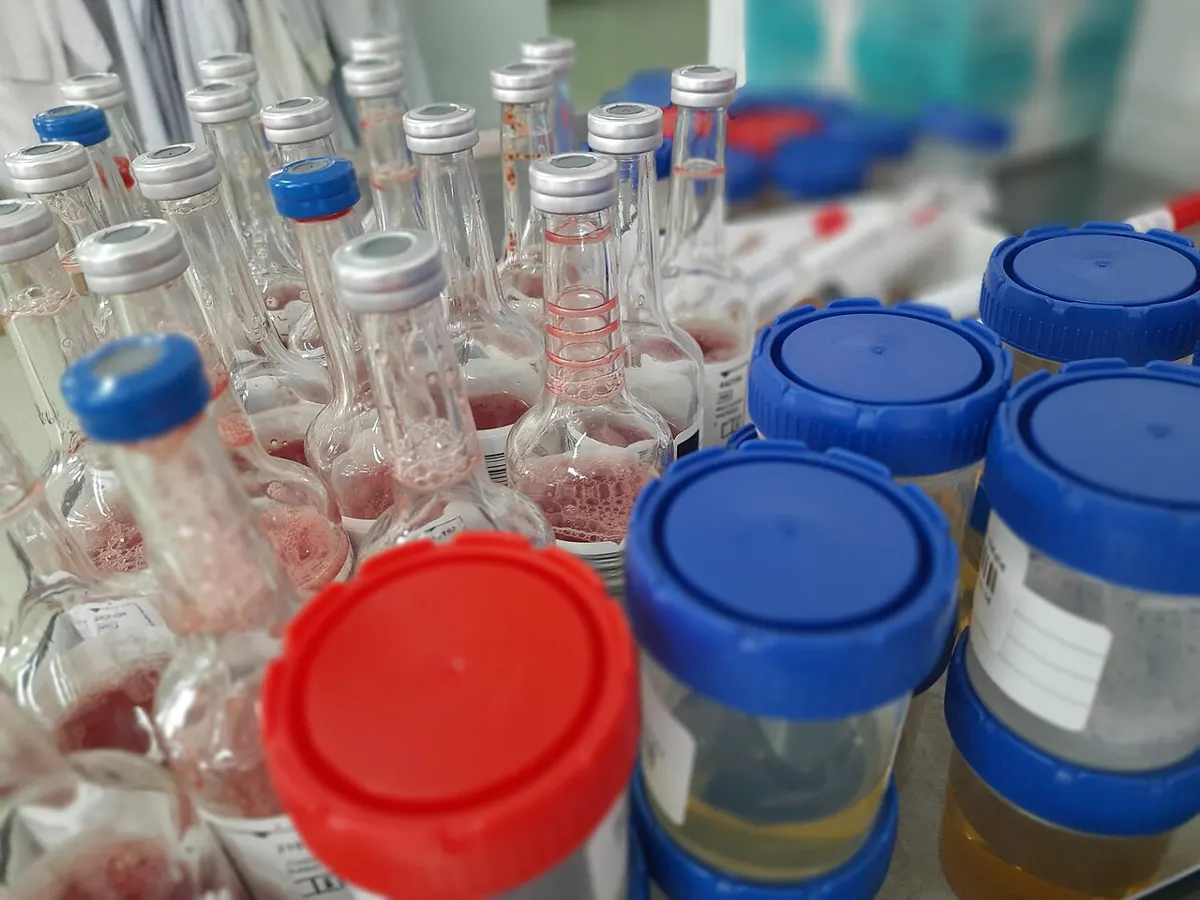
If you've got a urine test coming and you're counting days, here's the straight answer: it depends mostly on what you used and how often. Most hard drugs clear urine in two to four days after a single use. Marijuana is the outlier, and for a daily smoker the wait can run a month or longer. Below is a drug-by-drug waiting guide built on published research, plus the stuff that quietly makes the wait longer.
Quick note before we start: this page is information only, not medical or legal advice, and it's not a way around a test. The only guaranteed way to pass is to stop using and give your body enough time.
Waiting times at a glance
These are typical ranges at standard workplace screening cutoffs. Think of the low end as "might be clear" and the high end as "much more likely clear." Bodies vary, so nobody can promise a date.
| Substance | Single or occasional use | Regular or heavy use |
|---|---|---|
| Marijuana (THC-COOH) | About 3 to 7 days | About 10 to 30 days, sometimes longer for daily long-term users |
| Cocaine (benzoylecgonine) | About 2 to 4 days | Up to about 1 to 2 weeks after heavy binges |
| Amphetamine / meth | About 1 to 3 days | Up to about 5 to 7 days |
| Heroin, morphine, codeine | About 1 to 3 days | Up to about 4 to 7 days |
| Oxycodone | About 1 to 2 days | Up to about 3 to 4 days |
| Fentanyl (norfentanyl) | About 1 to 3 days | Can be longer, a week or more, with repeated use |
| Short-acting benzos (e.g., alprazolam) | About 1 to 4 days | Up to about a week |
| Long-acting benzos (e.g., diazepam) | About 5 to 10 days | Up to about 30 days or more |
| MDMA | About 1 to 3 days | Up to about 4 to 5 days |
| PCP | About 3 to 8 days | Up to about 2 to 4 weeks |
| Alcohol (EtG test) | Up to about 80 hours after heavy drinking | Similar; standard panels don't include alcohol |
Sources include the Mayo Clinic Proceedings review by Moeller and colleagues and SAMHSA testing guidance. Our detection windows table lists the citations, and the detection window calculator lets you plug in your own pattern.
Why weed takes so much longer than everything else
Most drugs are water-soluble. Your liver breaks them down, your kidneys filter the leftovers, and they're out in days. THC is different. It's fat-soluble, so it gets stored in fat tissue and slowly leaks back into the bloodstream, where it's turned into THC-COOH and passed in urine. A one-time user has very little stored. A daily user has a reservoir that keeps feeding urine for weeks. That's why two people who both "stopped on Sunday" can get completely different results the following Friday. If marijuana is your concern, our THC elimination estimator gives a rougher personal estimate.
The five things that decide your wait
- Frequency of use. This is the big one for nearly every drug. One weekend versus every day for a year is a different universe.
- Amount and potency. Higher doses produce more metabolite to clear. High-potency cannabis concentrates and pressed pills of unknown strength make predictions shakier.
- The drug's half-life. Long-acting medicines like diazepam or methadone simply stay around longer than short-acting ones.
- Your body. Kidney and liver function, age, body fat (mainly for THC), and metabolism all play a part. Some people are genetically fast or slow at breaking down certain drugs.
- The test cutoff. A test looking for 20 ng/mL of THC-COOH will catch you longer than one set at 50 ng/mL. We explain the numbers on our cutoff levels page.
Cutoffs: why "clean" is a number, not a feeling
A urine screen doesn't ask "is there any drug at all?" It asks "is there more than X nanograms per milliliter?" Below that line, the result is negative even though a trace may still be there. Federal workplace guidelines set the marijuana screening cutoff at 50 ng/mL and cocaine at 150 ng/mL, with confirmation testing at lower cutoffs. Many private employers use the same numbers because their labs follow federal methods. Some home kits and treatment programs use lower cutoffs, which means a longer wait to show negative. If you don't know which cutoff your test uses, plan for the longer end of the range.
A realistic plan for the days you have
Here's how people who take this seriously usually approach it, sticking to safe, legal steps:
- Stop now. Every day matters, and the clock only starts when use stops.
- Figure out your pattern honestly. Use the table above with your real frequency, not the one you'd like to have.
- Drink normally, not crazy amounts. Staying hydrated is healthy. Chugging gallons before a test can make your sample dilute, and labs check for that. Drinking dangerous amounts of water can cause water intoxication, which can be deadly.
- Eat, sleep and move like a normal person. Light, regular exercise is good for you, but hard workouts right before a test can release stored THC into the blood. Ease off in the last day or two.
- Test yourself at home with a cup that uses the same cutoff as the real test, a few days before the appointment.
- If you can, ask for a later date. Some employers allow a short window to complete the test. Legitimate scheduling flexibility is worth asking about.
Things that won't shorten the wait
- Cranberry juice, vinegar, niacin, goldenseal. None has good evidence for clearing drugs faster, and high-dose niacin can harm your liver.
- Saunas and "sweating it out." Very little drug leaves through sweat compared with urine.
- Fasting. For THC users, sudden heavy fat loss can actually release stored THC.
- Adding things to a sample. Labs run specimen validity tests for creatinine, specific gravity, pH and oxidants. Tampering may be illegal and is usually treated as a refusal, which counts like a failed test.
Detox drinks are their own topic. Most work by dilution plus added creatinine and B vitamins, and they don't remove drug from your body. We go through the evidence honestly in the detox section.
What if you take a prescription?
If you take a prescribed medication like an ADHD stimulant, a benzodiazepine or an opioid painkiller, you don't need to "wait it out" and you shouldn't stop suddenly. In workplace programs that use a Medical Review Officer, a lab-confirmed positive gets reviewed against your valid prescription before anything is reported. Keep your prescription info ready. Stopping some medicines abruptly, especially benzos, can be dangerous.
Ad: we may earn a commission if you buy through this link. Information only, not medical or legal advice. Tampering with a drug test can be illegal and usually counts as a refusal. The only sure way to pass is to not use.
First-morning urine and timing on test day
Your first pee of the morning is usually the most concentrated, so it tends to carry the highest drug concentration of the day. That's why it's the best sample for a home self-check: if first-morning urine is negative, a later sample very likely is too. On the day of the real test, there's no magic hour, but don't go in dehydrated or after a massive water binge. Normal drinking gives a normal sample.
Waiting time examples
To make this concrete, here are a few common situations and a cautious wait. These are illustrations, not promises.
- Smoked a joint at a party once: plan for about a week, though many people test clear sooner.
- Weekend smoker for a few months: plan on 2 to 3 weeks.
- Daily smoker for a year or more: plan on 30 days and check yourself before assuming you're clear; some long-term heavy users take longer.
- One night of cocaine: about 3 to 4 days for most people at a 150 ng/mL cutoff.
- A weekend with MDMA: about 3 to 4 days.
- A few doses of a friend's Xanax: about 4 to 5 days to be safer.
Why home testing beats guessing
Calculators and charts give you a range. A home test tells you where you are. Use one that lists the cutoff for each panel, read it exactly at the time in the instructions, and remember that any visible test line, even a faint one, normally means negative for that drug. If you're unsure how to read it, our guide on how to know if a drug test kit is positive walks you through it. If you test positive, the honest answer is more time.
Screen positive vs confirmed positive
A urine screen is the first step. If it's non-negative, a certified lab confirms it with a more precise method, usually GC-MS or LC-MS/MS, at a lower cutoff for the specific drug. That confirmation step is why "barely positive" screens sometimes come back negative, and why cross-reactions from cold medicine or antidepressants usually get sorted out. More on that in drug test results: screen vs confirm.
Keeping a simple log helps
When you're stressed, days blur together. Write down the date and time of your last use, roughly how much, and how often you'd been using in the month before. Then write the date of your test and count the days between. Seeing it on paper keeps you honest and helps you pick the right row in the table. If you plan to self-test, note the date of each home test and the result for every panel. A trend from positive to faint-but-visible to clearly negative lines tells you the wait is working. Bring that same honesty to any conversation with a doctor or counselor if stopping has been harder than you expected.
A word on federally regulated and court tests
If your test is DOT, federal, court-ordered, probation-related or for a safety-sensitive role, the rules are stricter and the consequences are serious. Nothing here is meant to help get around those programs. Talk honestly with the program or an attorney, and focus on stopping use.
The honest bottom line
For most drugs, two to four days after one-time use is the typical wait. For heavy or long-term use, give it a week or more. For marijuana, it can be days to more than a month. Stop now, live normally, check yourself with a home test, and don't fall for shortcuts that labs are built to catch. Tampering with a drug test may be illegal and can count as a refusal or failed test.
If the waiting is hard because stopping is hard, help is free and confidential: SAMHSA's National Helpline at 1-800-662-4357 runs 24/7. If you're in crisis, call or text 988.
Sources
Detection windows, cutoffs and procedures on this page are based on these public sources. Individual results vary; this is information, not medical or legal advice. See how the DrugTestAnswers Editorial Team checks facts.
- HHS/SAMHSA, Mandatory Guidelines: Authorized Testing Panels, Federal Register, 13 Mar 2026
- HHS/SAMHSA, Mandatory Guidelines for Federal Workplace Drug Testing Programs using Urine, Federal Register, 12 Oct 2023
- Moeller KE et al., "Clinical Interpretation of Urine Drug Tests", Mayo Clinic Proceedings, 2017 (PubMed)
- MedlinePlus Medical Encyclopedia: Urine drug screen
- SAMHSA National Helpline (free, confidential, 24/7)
Questions people ask
How long after smoking once can I pass a urine test?
Many one-time users test negative within about 3 to 7 days at the common 50 ng/mL cutoff. Waiting a full week gives you a better margin.
Can I pass a urine test in 24 hours?
For a one-time use of a short-acting drug it's sometimes possible, but most substances need 2 to 4 days, and marijuana usually longer. Don't count on 24 hours.
Does drinking a lot of water help me pass faster?
Water doesn't remove drugs faster. Over-drinking can make a sample dilute, which labs flag, and extreme amounts can be dangerous.
How long do I have to wait after cocaine to pass a urine test?
Usually about 2 to 4 days after occasional use, and up to 1 to 2 weeks after heavy repeated use.
Is 30 days enough for a daily weed smoker?
For many daily users, yes, but not all. Long-term heavy users sometimes take longer, so test yourself before assuming you're clear.
Do home urine tests use the same cutoff as employers?
Some do. Many home THC tests use 50 ng/mL like federal programs, but others use 20 or 25. Check the label.
Does exercise make you pass a urine test faster?
Regular exercise is healthy but hasn't been shown to speed up clearance meaningfully. Hard workouts right before a test may briefly raise THC levels.
Does a drug test show how long ago I used?
Not really. A urine screen only shows whether a drug or metabolite is above the cutoff right now. It can't pin down the day or hour you used.
How long do benzos take to clear urine?
Short-acting benzos often clear in a few days; long-acting ones like diazepam can be detectable for weeks with regular use.
Ad: we may earn a commission if you buy through this link. Information only, not medical or legal advice. Tampering with a drug test can be illegal and usually counts as a refusal. The only sure way to pass is to not use.
No product can promise you a pass, and the only certain way is to not use. Tampering with a drug test can be illegal and is usually treated as a refusal. We never help anyone beat DOT, federal, safety-sensitive, or court-ordered tests. If substance use is getting on top of you, call the free, confidential SAMHSA National Helpline on 1-800-662-4357 (24/7, English and Spanish), or call or text 988 in a crisis. Source: samhsa.gov.