How Can I Pass a Urine Drug Test? Honest Options, Lab Checks and Test-Day Tips
Compare TestClear's urine-test products in one place: detox drinks, multi-day programs and more.
Ad: we may earn a commission if you buy through this link. Information only, not medical or legal advice. Tampering with a drug test can be illegal and usually counts as a refusal. The only sure way to pass is to not use.
Updated ·  Written by Daniel Brooks ·
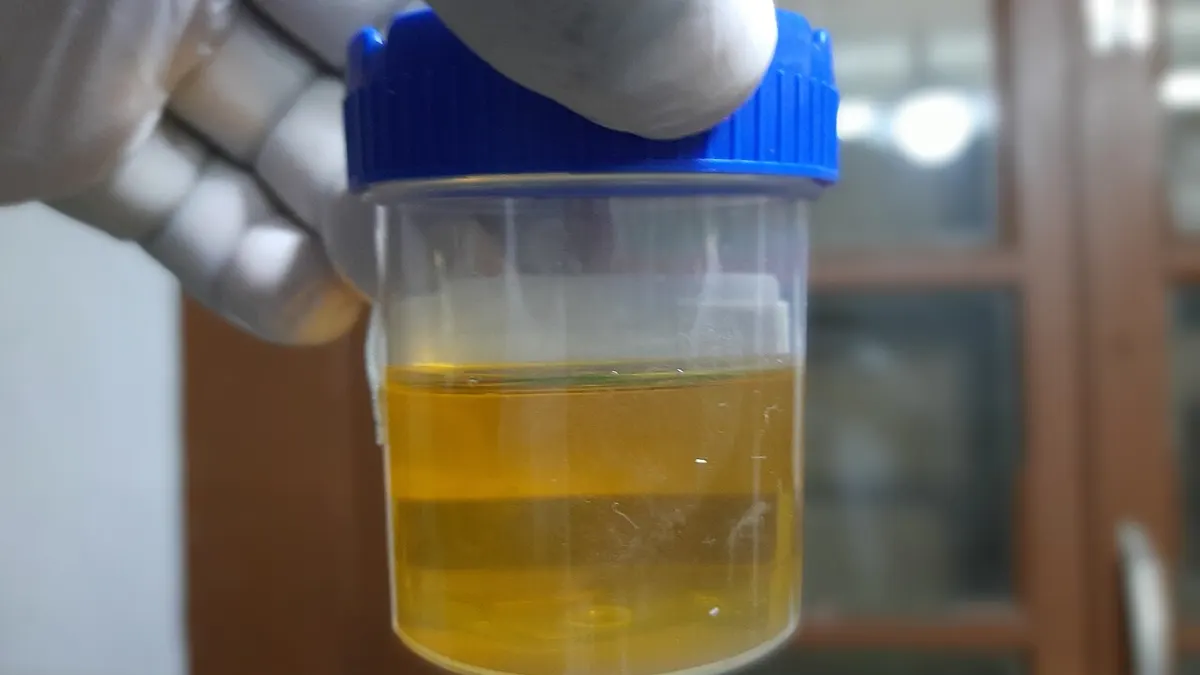
If you've got a urine drug test coming up and you're not sure you'll be clean, you're not alone, and you're asking the right question before test day instead of after. The honest answer to "how can I pass a urine drug test?" is less exciting than the internet makes it sound. The lab is checking far more than drugs, the tricks people swap online get flagged more often than they work, and time without using is the only thing that reliably gets you under the cutoff. What you can control is a lot: knowing which test you're taking, testing yourself at home first, understanding what the numbers mean, avoiding the mistakes that turn a negative into a "dilute" or a "refusal", and handling prescriptions and false positives the right way. This guide walks through all of it in plain English.
The short answer
The only guaranteed way to pass a urine drug test is to have stopped using long enough that your levels are below the test's cutoff. Everything else either helps you understand where you stand (a home test), protects you from an unfair result (declaring medications, asking for confirmation) or carries real risk (heavy water loading, detox drinks, fake urine and additives).
That's not a moral lecture, it's just how the testing system is built. A modern urine test doesn't only look for drugs. It also checks whether the sample looks like normal human urine at a normal concentration and temperature. A sample that fails those checks is reported as dilute, invalid, adulterated or substituted, and in most workplace programs the last two count the same as a refusal, which is usually treated like a positive.
So the realistic plan looks like this:
- Find out exactly what kind of test it is and which drugs it covers.
- Stop using now, today, if you haven't already.
- Test yourself at home with a similar panel so you know where you stand.
- Drink normally, not excessively, and avoid anything that makes your sample look tampered with.
- Bring a list of your prescriptions and be ready to talk to the Medical Review Officer if a result needs explaining.
The rest of this page explains each step and the reasoning behind it.
How a urine drug test actually works
Knowing what happens to your cup after you hand it over makes the rest of this guide click. Most urine tests run in two or three stages.
Stage 1: the screening test
The first test is almost always an immunoassay. It uses antibodies that react to a specific drug or the chemical your body turns it into (a metabolite). Instant cups and dip cards at a clinic or employer's office use this method, and so do the big automated machines in labs. If the amount of a drug class is at or above a set level called the cutoff, the screen reads "non-negative" for that class. Below the cutoff, it reads negative, even if a tiny amount is present.
That last point matters. A urine test isn't asking "is there any THC metabolite at all?" It's asking "is there more than X nanograms per millilitre?" Your goal is not zero. It's under the line.
Stage 2: the confirmation test
If a lab screen is non-negative, a proper lab will run a confirmation test on the same sample, usually gas chromatography or liquid chromatography with mass spectrometry (GC-MS or LC-MS/MS). This identifies the exact molecule and measures it. Confirmation is what separates a real positive from a cross-reaction with a cold medicine or other substance. Instant on-site cups don't do this step by themselves, which is why an instant positive should be sent to a lab before anyone acts on it.
Stage 3: specimen validity testing
Alongside the drug screen, labs check whether the sample is valid. The common checks are:
- Temperature, read by the collector within a few minutes of you handing it over.
- Creatinine, a normal waste product of muscle. Very low creatinine suggests the urine has been watered down or isn't human urine.
- Specific gravity, a measure of how concentrated the urine is compared with water.
- pH, because many additives push urine far outside its normal acid-to-alkaline range.
- Oxidant and adulterant tests, which look for things like bleach, nitrites, chromate, glutaraldehyde and similar chemicals.
Some labs and many instant cups also have built-in validity strips. In other words, the sample has to look like real, fresh, normally concentrated urine before the drug result is even trusted.
Stage 4: the Medical Review Officer
In regulated workplace programs (and many non-regulated ones), a confirmed positive goes to a Medical Review Officer (MRO), a licensed physician, before it reaches the employer. The MRO contacts you, asks about medications and can verify a legitimate prescription. If there's a valid medical explanation, the result is reported to the employer as negative. This step is one of the most important protections you have, and many people don't know it exists.
Cutoff levels: what "positive" really means
Different programs use different cutoffs, but many labs follow or start from the federal workplace levels published by the U.S. Department of Health and Human Services (HHS). Here are the standard federal urine cutoffs for the most common drug classes:
| Drug class | Screening cutoff (ng/mL) | Confirmation cutoff (ng/mL) |
|---|---|---|
| Marijuana metabolite (THC-COOH) | 50 | 15 |
| Cocaine metabolite (benzoylecgonine) | 150 | 100 |
| Codeine / morphine | 2,000 | 2,000 |
| Heroin marker (6-acetylmorphine) | 10 | 10 |
| Hydrocodone / hydromorphone | 300 | 100 |
| Oxycodone / oxymorphone | 100 | 100 |
| Amphetamine / methamphetamine | 500 | 250 |
| MDMA / MDA | 500 | 250 |
| PCP | 25 | 25 |
A few practical takeaways from that table:
- The screen and the confirmation are separate gates. To be reported positive in a lab-based program, your sample normally has to be over the screening cutoff and then over the confirmation cutoff.
- Non-federal tests can use different numbers. Some instant cups for marijuana, for example, are made at 20, 25, 50 or 100 ng/mL. A lower cutoff means a more sensitive test. If you test yourself at home, match the cutoff your real test uses when you can find out.
- The high opiate cutoff exists for a reason. The federal morphine and codeine cutoff was raised to 2,000 ng/mL in 1998, largely because poppy seeds were producing positives at the old, lower level.
How long drugs show up in urine
Detection time is the single biggest factor in whether you'll pass, and it varies a lot from person to person. The figures below are typical ranges from clinical references such as the urine drug screening review published in Mayo Clinic Proceedings (2017). Treat them as rough guides, not promises.
| Substance | Typical urine detection time |
|---|---|
| Marijuana, single use | About 3 days |
| Marijuana, moderate use (around 4 times a week) | About 5 to 7 days |
| Marijuana, daily use | About 10 to 15 days |
| Marijuana, long-term heavy use | More than 30 days in some people |
| Cocaine | About 2 to 4 days |
| Amphetamines | About 2 days, sometimes longer |
| Heroin / morphine | About 1 to 3 days |
| Benzodiazepines | About 3 days (short-acting) to 30 days (long-acting, regular use) |
| PCP | About 8 days |
Why your window might be shorter or longer
- How often you use. This is the big one, especially for marijuana. THC is stored in fat and released slowly, so daily users build up a reserve that takes much longer to clear than a one-off.
- How much and how strong. Higher doses and stronger products mean more metabolite to clear.
- Body fat and metabolism. More body fat can mean a longer marijuana window. Age, liver function and general health also play a part.
- Hydration on the day. Very concentrated morning urine can read higher than urine later in the day after normal drinking. That's not a trick, just a reason not to test yourself at home with your first sample of the day if your real test will be in the afternoon.
- The test's cutoff. A 20 ng/mL marijuana cup will stay positive longer than a 50 ng/mL one.
If you need a closer estimate for your own use pattern, the most useful thing you can do is count back to your last use and then check yourself with a home test a few days before the real one.
Step 1: find out exactly what test you're taking
Before you worry about anything else, try to pin down these details. Most employers and testing sites will tell you some of this if you ask politely, and the paperwork you receive often lists it.
- Panel size. A 5-panel test traditionally covers marijuana, cocaine, opiates, amphetamines and PCP. A 10-panel usually adds benzodiazepines, barbiturates, methadone, propoxyphene or oxycodone and others, depending on the brand. Some panels add fentanyl, buprenorphine, tramadol or synthetic cannabinoids.
- Instant cup or lab. An instant cup gives a reading in minutes. A lab test takes a day or several and includes validity checks and confirmation.
- Observed or unobserved. Most pre-employment collections are unobserved, with a collector outside the stall and the water turned off or dyed blue. Observed collections, where a same-gender collector watches the urine leave the body, are used for retests, return-to-duty tests and some court or treatment programs.
- Regulated or not. Federally regulated tests (for example, under the Department of Transportation) follow strict federal rules. We don't give advice for those or for court, probation, parole or military testing. If your test is one of these, the right move is honesty and, if needed, a lawyer or a substance abuse professional.
Step 2: stop using, starting now
There's no way around it. Every day without using brings your levels down. For most drugs other than heavy marijuana use, a few clean days is often enough to drop below a standard cutoff. For daily marijuana use, it can take a couple of weeks or longer.
A few things that are reasonable and safe while you wait:
- Eat and drink normally. Your body clears metabolites on its own schedule. Normal meals and normal hydration support that without making your sample look strange.
- Keep exercise at your usual level. Exercise is good for you, but some research suggests that intense exercise can briefly raise THC levels as fat is burned. If you're a marijuana user, don't start an unusually hard workout routine in the day or two right before your test.
- Get sleep. It won't change your metabolite levels much, but anxiety and poor sleep lead to bad decisions on test day, like panic-drinking a gallon of water.
- Don't switch to something "that doesn't show up". Synthetic cannabinoids and other substitutes are often more dangerous than what they replace, and many panels now test for them.
Step 3: test yourself at home first
A home test is the most useful tool you have because it replaces guesswork with information. Instead of wondering whether you're clean, you get a result you can act on. If it's negative, you can walk into your test calmer. If it's positive, you know you need more time, and you can make a decision about whether to ask for a later date or be upfront about it.
How to get a useful home result
- Match the panel. If your real test is a 10-panel, a marijuana-only strip won't tell you about the other nine drugs.
- Match the cutoff when you can. If you don't know your real test's cutoff, assume the more sensitive end.
- Test a sample like the one you'll give. If your appointment is at 2 pm, don't rely only on your first-morning sample, which tends to be the most concentrated. Test both if you can.
- Read the result at the time the instructions say. On most dip tests a line, even a faint one, means negative, and no line means positive. Reading too late can give a misleading result.
- Re-test a day or two before the real thing. Levels drop over time, so a positive five days out may be a negative two days out.
TestClear sells single-drug and multi-panel home tests, including marijuana-only kits and 10-panel cups, which cover the most common workplace panels. A home test is only a screening test, like the first stage at the lab, but it's a solid indicator of where you stand.
Step 4: drink normally, not excessively
"Just drink a ton of water" is probably the most common advice online, and it's also the one that trips up the most people. Here's why.
What the lab sees when you over-hydrate
Drinking huge amounts of water before a test does lower the concentration of everything in your urine, including drug metabolites. But it also lowers creatinine and specific gravity, which the lab measures. Under the federal rules that many labs follow:
- A sample is reported as dilute when creatinine is at least 2 mg/dL but under 20 mg/dL and specific gravity is above 1.0010 but under 1.0030.
- A sample is reported as substituted (not consistent with human urine) when creatinine is under 2 mg/dL and specific gravity is 1.0010 or below, or 1.0200 or above.
A "negative dilute" result isn't a failure, but many employers' policies require a retest. Under DOT rules, a negative dilute with creatinine between 2 and 5 mg/dL triggers an immediate recollection under direct observation. A substituted result is treated as a refusal to test. So the water-loading plan can turn a likely negative into a retest, an observed collection or worse.
The health risk is real
Drinking very large amounts of water in a short time can drop the sodium level in your blood (hyponatremia). Symptoms include headache, nausea, confusion and, in severe cases, seizures. People have been hospitalized after trying to "flush" for a drug test. It isn't worth it.
What "normal" looks like
Drink the way you normally would on a typical day, maybe a glass or two of water in the morning, and don't stop drinking either. Being dehydrated makes urine more concentrated, which pushes metabolite levels up. Aim for the middle: normal color, normal amount, normal routine.
Ad: we may earn a commission if you buy through this link. Information only, not medical or legal advice. Tampering with a drug test can be illegal and usually counts as a refusal. The only sure way to pass is to not use.
Detox drinks and cleanse kits: what they claim versus what's proven
You'll see a lot of products sold as drug test "detox" or "cleansing" drinks, pills and multi-day programs. TestClear sells several of them. Here's an honest look at what they are and what they aren't.
Same-day drinks
Same-day drinks are usually taken a few hours before a test with extra water, following the maker's timing directions. They're typically built around fluids plus ingredients such as creatine, B vitamins (which make urine yellower) and electrolytes or herbal extracts. The obvious purpose of the creatine and B vitamins is to keep creatinine and urine color closer to normal while you're drinking a lot of fluid.
What's not proven: there's no independent, peer-reviewed evidence that these drinks remove drug metabolites from your body faster. Labs know about them, and some validity tests are designed to catch unusual samples. A drink cannot guarantee a pass, and any product that claims it can should make you skeptical.
Multi-day detox programs and pills
Multi-day kits and pills are marketed as helping your body clear toxins over several days. They often contain fiber, herbs, vitamins and diuretic ingredients. Again, independent evidence that they speed up the clearance of drug metabolites in a way that beats simply not using for those same days is lacking. If you do buy one, read the label carefully, check the ingredients against any medical conditions or medications you have, and follow the maker's directions exactly.
So should you use one?
That's your call. If you do, go in with clear eyes: you're paying for a product that may help keep your sample looking normal while you drink extra fluid, not for a guaranteed result. Time without using is still doing the real work. And for any regulated, court-ordered or observed test, we strongly advise against it.
Synthetic urine, someone else's urine and additives
This is where the risk goes up sharply, legally and practically. We'll explain what happens rather than how to do it.
Fake or substitute urine
Synthetic and powdered urine products are widely sold. But a substitution attempt has to get past several checks: temperature within a narrow range (federal rules require it to be between 90 and 100 °F, read within four minutes), visual inspection, creatinine and specific gravity, and in some labs tests for substances found in real urine but not in many synthetic products. Observed collections make substitution essentially impossible.
The consequences are serious. In most workplace programs a substituted sample is a refusal to test, which is usually treated like a positive or worse. A growing number of U.S. states have laws that make it a crime to sell or use synthetic urine or other products to defraud a drug test. Using someone else's urine raises the same problems and can expose both people.
Additives and "masking agents"
People have tried adding bleach, vinegar, salt, eye drops, soap, nitrites and other chemicals to their sample to break down drug metabolites or confuse the test. Labs test for exactly these things. Abnormal pH, oxidizing agents and other adulterants are reported as adulterated or invalid, and an adulterated sample is treated as a refusal.
Never drink these things
Some myths involve swallowing products rather than adding them to the cup. Emergency doctors have published case reports of serious poisoning from drinking eye drops containing tetrahydrozoline, and of liver damage and other toxicity from taking large doses of niacin to try to beat a drug test. Bleach and other cleaning chemicals are dangerous to swallow and must never be mixed with acids or other cleaners. None of these is a safe or effective way to pass.
Prescriptions, CBD and false positives
Not every positive screen means someone used an illegal drug. This section is about protecting yourself from an unfair result.
Prescription medications
Legally prescribed medications such as amphetamine-based ADHD drugs, benzodiazepines, opioid painkillers and others will show up on the right panel. That's expected. In a program with an MRO, you'll get a chance to provide your prescription details, and a valid prescription is normally reported to the employer as a negative. Keep a list of your current prescriptions with the pharmacy name, and don't stop or change a prescribed medication because of a drug test without talking to your prescriber.
Over-the-counter medicines and screening cross-reactions
Some medicines and supplements have been linked to false positives on screening tests. Commonly cited examples include certain decongestants for amphetamines, some antidepressants and other medications for various panels, and older reports of NSAIDs like ibuprofen for marijuana. The key word is screening: lab confirmation by GC-MS or LC-MS/MS identifies the actual molecule, so a properly confirmed positive won't blame a cold medicine. If an instant cup reads positive and you haven't used, ask for the sample to be sent to a lab for confirmation.
CBD products
CBD itself isn't what urine tests look for, but many CBD products contain some THC, and labels aren't always accurate. Regular use of a product with THC in it can produce a real positive for marijuana metabolites. The FDA has warned that CBD products may contain THC that isn't listed. If you need to pass a test, the safest choice is to stop CBD products ahead of time as well.
Poppy seeds
Poppy seeds can contain traces of morphine and codeine. The higher federal opiate cutoff reduced this problem, but a large amount of poppy seed food shortly before a test can still be worth mentioning to the MRO, especially for tests with lower opiate cutoffs.
What to bring and do on test day
Most of passing a drug test, if you've done the waiting part, is just not making mistakes on the day. Here's a simple checklist.
- Bring valid photo ID and any paperwork or donor form the employer gave you.
- Bring your prescription list with medication names, doses and the prescriber or pharmacy.
- Drink normally beforehand. A full bladder is helpful, but you don't need to overdo it.
- Leave bags and jackets where the collector asks. You'll usually be asked to empty your pockets and wash your hands. That's standard.
- Don't flush or run water. The toilet water is often dyed and the taps turned off so samples can't be diluted.
- Provide enough urine. Most collections need about 45 mL, roughly a third of a standard cup's capacity, often marked with a line.
- Watch your sample get sealed. In lab collections, the cup is sealed in front of you, and you initial the seal and sign the custody form. Check that the specimen ID matches.
- If you can't go, say so. Under federal rules, someone who can't provide enough urine gets up to three hours and can be offered up to 40 ounces of fluid. Many non-federal programs use something similar. Leaving the site without permission can count as a refusal.
If your result comes back positive
A non-negative result is stressful, but it's not always the end of the road. Here's what you can do.
- For an instant cup positive: calmly ask for the sample to go to a lab for confirmation if that wasn't already planned. Instant screens are not final results.
- Talk to the MRO. If you get a call from a Medical Review Officer, answer it. Give your prescription details and mention anything relevant, like recent medical procedures. Missing the MRO's call can lead to a positive being reported without your side.
- Ask about a split specimen. In federally regulated testing, part of your original sample is kept sealed, and you can ask for it to be tested at a different lab within a set time. Some non-regulated programs offer something similar.
- Ask about the employer's policy. Some employers allow a retest after a period of time, especially for pre-employment testing. Others don't. Being honest and professional usually helps more than anything else.
- Know your state rules. Some states have rules about marijuana testing for certain jobs. They vary widely and change often, so check your state's current law or ask an employment lawyer if this applies to you.
A simple countdown plan
If you know your test date, it helps to work backward from it. Here's a realistic timeline that doesn't rely on any risky tricks.
Two weeks or more before the test
- Stop using everything that could appear on the panel, including CBD products that may contain THC.
- Write down your prescriptions and any over-the-counter medicines or supplements you take regularly.
- Ask the employer or testing site what kind of test it is, if you don't already know, and order a home test with a matching panel.
About one week before
- Take your first home test with an afternoon sample, not your first pee of the morning.
- If it's positive, don't panic. Note the result, keep going and plan a second test a few days later.
- Keep eating, sleeping and exercising at your normal level. Big changes this week don't help and can backfire.
Two or three days before
- Re-test at home. If you're now negative on a matching cutoff, that's a good sign.
- If you're still positive, think about whether it's possible to ask for a later appointment, or how you'd explain a result honestly.
The day of the test
- Have a normal breakfast and a normal amount to drink.
- Bring your ID, paperwork and medication list, and follow the collector's instructions exactly.
- Keep your phone on afterward in case the Medical Review Officer calls.
Common myths, quickly debunked
- Cranberry juice flushes your system. It's mostly water and sugar. It won't speed up clearance beyond what normal hydration does.
- Goldenseal masks drugs. There's no good evidence it works, and labs have reported they can detect it.
- Niacin burns THC out of fat. No evidence supports this, and high doses have caused serious illness in people trying it.
- Vinegar or pickle juice beats the test. No. Drinking it does nothing useful, and adding it to a sample can make the pH abnormal, which gets flagged.
- Holding your pee makes it cleaner. The opposite is closer to true: it gives you a more concentrated sample.
- A sauna sweats out THC. Sweating removes a negligible amount of metabolites and dehydrates you, which concentrates your urine.
- If you pass the instant cup, you're definitely fine. Usually, but if the employer sends samples to a lab, the lab's validity and confirmation checks are stricter than a cup.
Is it even worth trying to "beat" the test?
Think about the trade-off honestly. A failed screen for a job you haven't started yet usually means you don't get that job, and some employers let you reapply later. A sample flagged as tampered with or substituted is often treated more harshly than a positive, can follow you within the same company or program, and in some states can be a crime. Asking for a later test date, being honest about a prescription or simply waiting until you're clean are all options with less downside.
If you're finding it hard to stop using long enough to pass a test, that's useful information too. It might be worth talking to your doctor or a counselor. Help is confidential, and asking for it doesn't show up on a drug test.
The bottom line
So, how can you pass a urine drug test? Stop using as early as you can, find out what's on the panel and test yourself at home with a matching kit so you know where you stand. Drink normally rather than flooding your system, skip the additives and substitutes that labs are built to catch, and keep a prescription list ready for the Medical Review Officer. Detox products may help keep a sample looking normal, but none is proven to remove metabolites faster, and none can guarantee a pass. Time is what really works.
Information only, not medical or legal advice. We do not help with DOT, FAA, federal, military, probation, parole, court-ordered or other safety-sensitive tests. Tampering with a test can be illegal and is usually treated as a refusal, and abstaining is the only guaranteed way to pass. If substance use is causing problems, the free, confidential SAMHSA National Helpline is open 24/7 at 1-800-662-4357. In a crisis, call or text 988.
Sources
Detection windows, cutoffs and procedures on this page are based on these public sources. Individual results vary; this is information, not medical or legal advice. See how the DrugTestAnswers Editorial Team checks facts.
- HHS/SAMHSA, Mandatory Guidelines: Authorized Testing Panels, Federal Register, 13 Mar 2026
- HHS/SAMHSA, Mandatory Guidelines for Federal Workplace Drug Testing Programs using Urine, Federal Register, 12 Oct 2023
- Moeller KE et al., "Clinical Interpretation of Urine Drug Tests", Mayo Clinic Proceedings, 2017 (PubMed)
- MedlinePlus Medical Encyclopedia: Urine drug screen
- SAMHSA National Helpline (free, confidential, 24/7)
Questions people ask
What is the fastest way to pass a urine drug test?
There's no safe shortcut that reliably works. The fastest dependable route is to stop using immediately and give your body time to drop below the cutoff. A home test tells you when you're likely there.
Will drinking a lot of water help me pass?
It lowers metabolite concentration, but it also lowers creatinine and specific gravity. That can get your sample reported as dilute and retested, possibly under observation. Very large amounts of water can also be dangerous.
How long do I need to be clean to pass?
It depends on the drug and how often you used. Cocaine and amphetamines are often gone in 2 to 4 days, while daily marijuana use can take 10 to 15 days or longer to clear in urine.
Do detox drinks work for a urine test?
There's no independent evidence that they remove drug metabolites faster. They're designed to be taken with extra fluid and contain ingredients that help keep urine looking normal. They can't guarantee a pass.
Can labs tell if urine is fake?
Labs and collectors check temperature, creatinine, specific gravity, pH and adulterants, and some labs test for markers missing from synthetic urine. A substituted or adulterated sample is usually treated as a refusal.
What does a 10-panel urine test look for?
It usually covers marijuana, cocaine, opiates, amphetamines and PCP plus five more, often benzodiazepines, barbiturates, methadone and others. The exact list depends on the test brand and the employer.
Can a prescription cause me to fail?
A legitimate prescription can show up on the right panel. In programs with a Medical Review Officer, you can provide prescription details and a valid prescription is normally reported as negative.
Should I test myself at home before the real test?
Yes. A home test with a matching panel and cutoff is the best way to know where you stand. Test a sample similar to the one you'll give on the day, and re-test a day or two before.
Ad: we may earn a commission if you buy through this link. Information only, not medical or legal advice. Tampering with a drug test can be illegal and usually counts as a refusal. The only sure way to pass is to not use.
No product can promise you a pass, and the only certain way is to not use. Tampering with a drug test can be illegal and is usually treated as a refusal. We never help anyone beat DOT, federal, safety-sensitive, or court-ordered tests. If substance use is getting on top of you, call the free, confidential SAMHSA National Helpline on 1-800-662-4357 (24/7, English and Spanish), or call or text 988 in a crisis. Source: samhsa.gov.