Failed a Drug Test for K2? What Synthetic Cannabinoid Tests Detect, False Positives and Your Next Steps
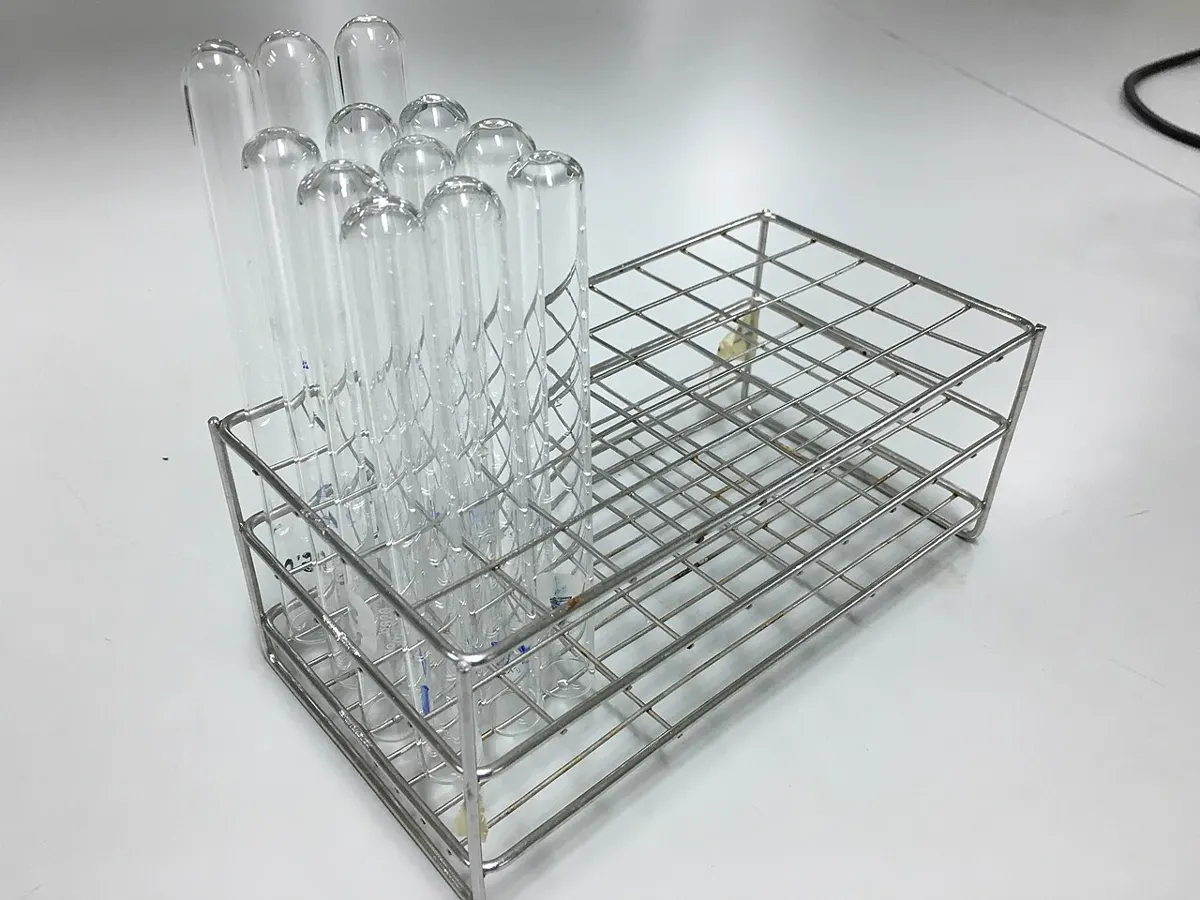
Getting told you failed for K2 is confusing, especially since people used to say spice "doesn't show up on drug tests." That's not true anymore. Here's how K2 testing works today, whether a false positive is possible, and what you can do next.
Ad: we may earn a commission if you buy through this link. Information only, not medical or legal advice. Tampering with a drug test can be illegal and usually counts as a refusal. The only sure way to pass is to not use.
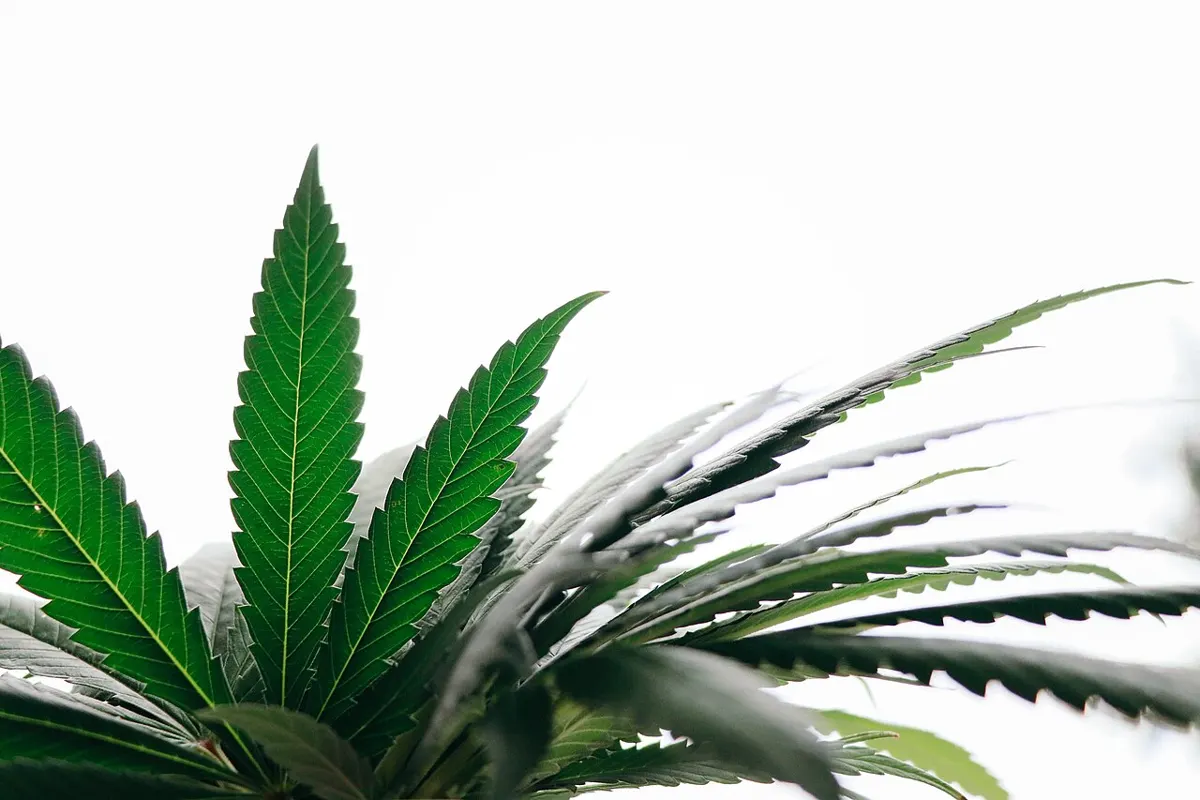
Why K2 shows up now
K2, spice and similar products are plant material sprayed with synthetic cannabinoids, lab-made chemicals that hit the same brain receptors as THC, often much harder. For years they flew under the radar because standard drug panels only look for THC-COOH, which synthetic cannabinoids don't produce. That's still true for a standard 5 or 10-panel.
What changed is that labs now offer dedicated synthetic cannabinoid panels. Employers in some industries, the military, treatment programs, probation departments and sports organizations add them on purpose. If you failed for K2, someone specifically ordered that test.
How K2 tests work
- Immunoassay screens target metabolites of common synthetic cannabinoid families (for example JWH-018, JWH-073, UR-144, XLR-11, AB-PINACA and others). They're cheap but can miss newer compounds.
- LC-MS/MS confirmation identifies specific compounds and is updated as new ones appear. Big reference labs track hundreds of analogues.
Because manufacturers constantly change formulas to dodge laws, no test catches every compound. That cuts both ways: some K2 use goes undetected, but a confirmed positive by LC-MS/MS means a specific synthetic cannabinoid metabolite was found.
How long K2 stays detectable
Research on synthetic cannabinoids is patchier than for THC because there are so many compounds, but published data suggest:
| Use pattern | Typical urine window |
|---|---|
| Single use | About 1-3 days |
| Repeated / heavy use | Up to about 1-2 weeks or more for some compounds |
Some metabolites are stored in fat like THC, so heavy users can test positive longer. Hair tests can detect some synthetic cannabinoids for months.
Could it be a false positive?
With an immunoassay screen alone, cross-reactivity is possible, though less common than with older amphetamine or opiate screens. A confirmed LC-MS/MS result is much harder to dispute. Things to check:
- Was the result confirmed? Ask for the lab report. A screen-only result isn't definitive.
- Which compound was found? A confirmed result names a specific metabolite.
- Did an MRO review it? In regulated programs and many private ones, a doctor reviews confirmed results.
- Could you have been exposed unknowingly? Some illicit "CBD" or "delta-8" products and vape carts have been found contaminated with synthetic cannabinoids. If you used a product you thought was legal hemp, keep the packaging and receipt.
Contaminated products: a real issue
Public health agencies and researchers have repeatedly found synthetic cannabinoids in products sold as CBD oil or cannabis vape cartridges, especially from unregulated sellers. If you never knowingly used K2 but vape gas-station hemp products, that's a plausible explanation worth raising with the MRO or your employer. It won't always change the outcome, but it's honest context.
Your next steps
- Request your results and the lab name. You're usually entitled to them.
- Ask about a split specimen retest at a different certified lab if one was collected, typically within 72 hours of notification.
- Gather evidence of any product you used: packaging, lot numbers, receipts.
- Check your employer's policy. Some offer a second chance through an employee assistance program (EAP).
- Talk to a lawyer if you lost a job or license and believe the result was wrong.
Health warning, from one friend to another
K2 isn't "weed lite." Synthetic cannabinoids have been linked to severe anxiety, psychosis, seizures, kidney injury, dangerous heart effects and deaths, and batches vary wildly in strength. Some batches have been contaminated with substances like brodifacoum, a rat poison that caused severe bleeding outbreaks. If you've been using it regularly, stopping can bring withdrawal symptoms like irritability and trouble sleeping. Help is available, free and confidential, at SAMHSA's helpline: 1-800-662-4357.
Ad: we may earn a commission if you buy through this link. Information only, not medical or legal advice. Tampering with a drug test can be illegal and usually counts as a refusal. The only sure way to pass is to not use.
Test yourself if you're unsure
A home K2/spice test kit screens for common synthetic cannabinoid metabolites. It won't catch every compound, but it gives you an idea where you stand before a workplace test, and it's a useful check if you suspect a product you used was contaminated.
What the lab report might look like
A confirmed synthetic cannabinoid result usually lists the specific metabolite found, often with names that look like alphabet soup: "JWH-018 N-pentanoic acid," "UR-144 N-pentanoic acid," "AB-FUBINACA metabolite," "5F-ADB metabolite" and so on. The report may show a cutoff (often in the low single-digit ng/mL range or lower) and the measured level. If the report only says "synthetic cannabinoids: positive" without any confirmation details, ask whether it was confirmed by LC-MS/MS.
Employment consequences
How a K2 positive is treated depends on the employer's written policy. Many policies treat any illegal or "designer" drug the same as other positives. A few treat a first offense as a referral to an employee assistance program. In regulated industries, synthetic cannabinoids aren't part of the official DOT panel, but employers can still run their own non-DOT tests under company authority, with their own consequences.
Probation and treatment settings
Synthetic cannabinoid tests are common in probation, drug courts and treatment programs because K2 was once popular precisely for being "undetectable." If you're in one of those settings, talk honestly with your case manager or counselor; trying to argue around a confirmed result rarely helps, and being upfront often leads to more treatment options rather than harsher penalties.
Withdrawal and quitting
Regular synthetic cannabinoid users often report withdrawal that's tougher than with regular cannabis: anxiety, irritability, sweating, insomnia, cravings and sometimes chest pain. It's usually worst in the first week. If you're struggling, a doctor can help manage symptoms, and the free SAMHSA helpline can point you to local treatment.
Why "legal" doesn't mean safe
K2 used to be sold openly as "incense" or "potpourri" labeled "not for human consumption," which gave the false impression it was legal and safe. Most synthetic cannabinoids are now Schedule I, and state laws cover many analogues. Products marketed as legal alternatives are often just new, untested chemicals.
If you're facing a K2 test soon
If you've used synthetic cannabinoids and know a test with a K2 panel is coming, the honest answer is the same as for anything else: time. Stop now and give yourself at least a week, longer if you used heavily. Drink normally, sleep, eat properly. A home synthetic cannabinoid test a few days before can show whether you're still detectable for the common compounds, though it can't promise anything about newer analogues a reference lab might catch.
Why K2 testing is harder than THC testing
With regular cannabis, there's one main target, THC-COOH, and it's been studied for decades. With synthetic cannabinoids, there are hundreds of compounds, each with its own metabolites, and new ones appear every year. Labs have to keep buying new reference standards and updating methods. That's why a positive from a reputable reference lab carries weight, and why a "clean" result on an older screen doesn't prove much.
Questions people ask
What is the difference between K2 and weed on a drug test?
Weed shows as THC-COOH on standard panels. K2 produces different metabolites that only a synthetic cannabinoid panel detects.
Should I tell my employer I used a CBD vape?
If you never knowingly used K2, explaining possible contamination to the MRO is reasonable. Keep the product and receipt.
Does spice show up on a 10-panel test?
No, standard 10-panel tests do not include synthetic cannabinoids. They must be ordered as a separate panel.
Can you get a retest after failing for K2?
If a split specimen was collected, you can usually request it be tested at another lab within about 72 hours of notification.
Does K2 show up on a regular drug test?
Not on a standard 5 or 10-panel. It shows up when an employer orders a synthetic cannabinoid panel.
How long does K2 stay in urine?
Typically 1-3 days after one use and up to about 1-2 weeks or longer with heavy use, depending on the compound.
Can CBD cause a K2 positive?
Pure CBD shouldn't, but some unregulated CBD and vape products have been found contaminated with synthetic cannabinoids.
Ad: we may earn a commission if you buy through this link. Information only, not medical or legal advice. Tampering with a drug test can be illegal and usually counts as a refusal. The only sure way to pass is to not use.
No product can promise you a pass, and the only certain way is to not use. Tampering with a drug test can be illegal and is usually treated as a refusal. We never help anyone beat DOT, federal, safety-sensitive, or court-ordered tests. If substance use is getting on top of you, call the free, confidential SAMHSA National Helpline on 1-800-662-4357 (24/7, English and Spanish), or call or text 988 in a crisis. Source: samhsa.gov.