Delta-8 vs Delta-9 Drug Test Results: Will Delta-8 Make You Fail, and Can a Lab Tell the Difference?
Ad: we may earn a commission if you buy through this link. Information only, not medical or legal advice. Tampering with a drug test can be illegal and usually counts as a refusal. The only sure way to pass is to not use.
Updated ·  Written by Daniel Brooks ·
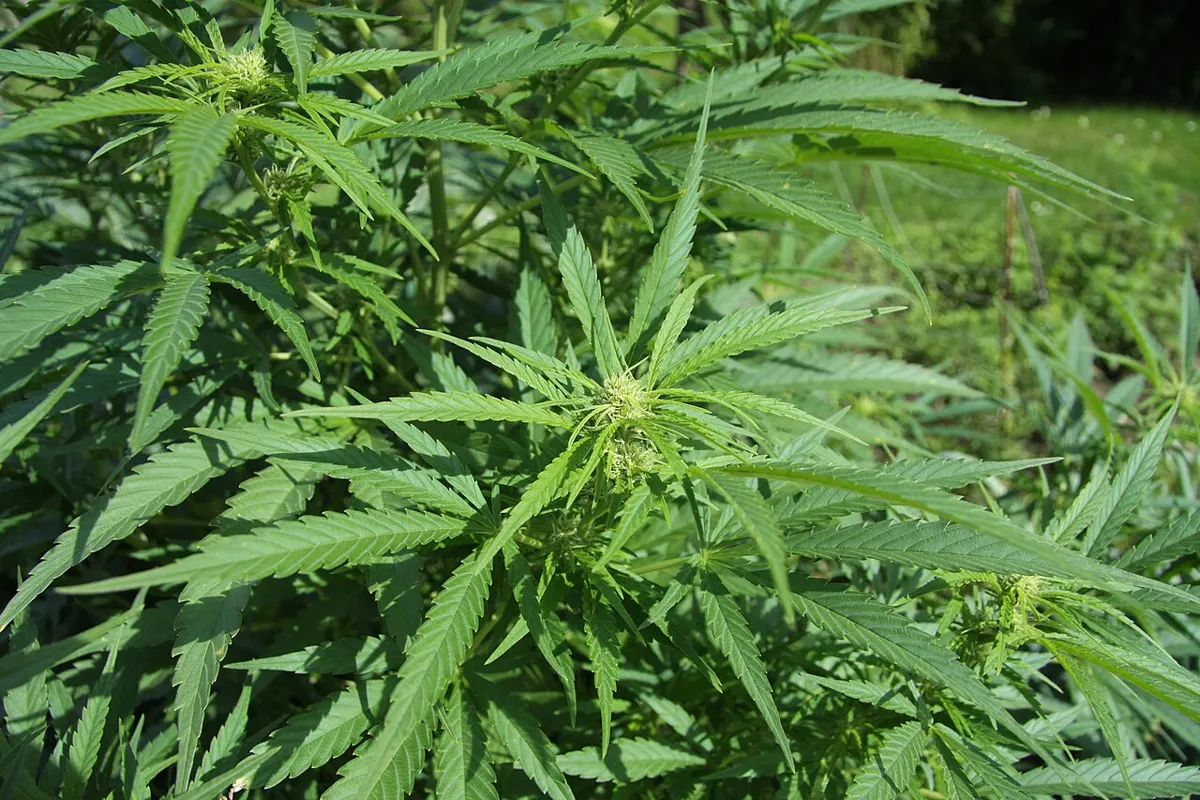
If you've been using delta-8 because it's sold at the gas station and the vape shop, here's the news nobody behind the counter mentions: delta-8 will very likely make you fail a standard THC drug screen. On the first test, a urine screen can't really tell delta-8 from regular delta-9 marijuana. What happens after that, at the lab, is more complicated, and that's where most of the confusion online comes from. Let's clear it up.
This guide is information only, not medical or legal advice. We'll explain how each kind of test treats delta-8 and delta-9, how long both show up, what labs can and can't distinguish, and how to know where you stand.
The short answer
- Screening tests: delta-8 and delta-9 both produce THC-COOH-type metabolites that standard THC immunoassay screens react to. Expect a delta-8 user to screen positive for THC.
- Lab confirmation: modern confirmation methods (GC-MS or LC-MS/MS) can separate delta-8 metabolites from delta-9 metabolites. Whether a lab reports a delta-8-only sample as positive depends on what that lab's method targets and the employer's policy.
- In real life: many delta-8 products also contain measurable delta-9 THC, either as a leftover from manufacturing or because they're blended. That alone can produce a true delta-9 positive.
- Detection time: roughly the same as regular marijuana, from days for occasional use to weeks for heavy daily use.
So if you're facing a drug test, treat delta-8 exactly like weed.
What delta-8 and delta-9 actually are
Delta-9 tetrahydrocannabinol is the main intoxicating compound in marijuana, the one people mean when they say "THC." Delta-8 THC is an isomer, which means it has the same atoms arranged slightly differently. The only structural difference is the position of one double bond in the molecule: on the 9th carbon in delta-9, the 8th carbon in delta-8. That tiny shift makes delta-8 somewhat less potent for most people, but it still binds to the same CB1 receptors in the brain and still gets you high.
Cannabis plants make only trace amounts of delta-8 naturally. Almost all delta-8 sold in stores is made by chemically converting CBD extracted from hemp, using acids and solvents. That manufacturing step is why product quality varies so much, and why some products contain byproducts and leftover delta-9.
How your body processes both
Your liver handles delta-8 and delta-9 in a very similar way. Each is first turned into an active 11-hydroxy metabolite and then into an inactive carboxylic acid metabolite:
| Step | Delta-9 pathway | Delta-8 pathway |
|---|---|---|
| Parent compound | Delta-9-THC | Delta-8-THC |
| Active metabolite | 11-OH-delta-9-THC | 11-OH-delta-8-THC |
| Main urine marker | Delta-9-THC-COOH | Delta-8-THC-COOH |
The carboxylic acid metabolites are fat-soluble, stored in body fat and released slowly, then passed in urine, often as glucuronide conjugates. That's the same reason regular marijuana lingers for so long, and it applies to delta-8 too.
Why screening tests can't tell them apart
The first step in most drug tests is an immunoassay. It uses antibodies designed to recognize the shape of delta-9-THC-COOH. The delta-8 version is shaped so similarly that those antibodies grab it too. Published studies testing common urine immunoassays have found strong cross-reactivity with delta-8-THC-COOH, in some assays nearly as strong as with delta-9-THC-COOH itself. In plain terms: a screen sees delta-8 metabolites as THC.
This applies to:
- Instant urine cups and dip cards used at job sites and clinics
- Home THC test kits
- The automated screening step at laboratories
- Most oral fluid screening devices, which react to parent THC compounds
The federal workplace urine screening cutoff for THC metabolites is 50 ng/mL, and many home and instant tests use the same number or lower. Delta-8 users who use regularly can easily stay above that line for days or weeks. Our cutoff levels page lists the federal numbers.
Delta-8 vs delta-9 side by side
| Feature | Delta-8 THC | Delta-9 THC |
|---|---|---|
| Where it comes from | Mostly converted from hemp CBD in a lab | Made naturally by the cannabis plant |
| Typical potency | Often described as roughly half to two-thirds as strong | Reference point for "THC" |
| Main urine marker | Delta-8-THC-COOH | Delta-9-THC-COOH |
| Triggers a THC screen? | Yes, strong cross-reactivity in common assays | Yes, it's what the screen is built for |
| Separated at lab confirmation? | Possible with methods set up for it | Yes, standard target |
| Expected urine window | Similar to delta-9 | Days to weeks depending on use |
| Where sold | Smoke shops, gas stations, online (subject to changing law) | Licensed dispensaries in legal states |
How delta-8 ended up everywhere
For decades, delta-8 was a lab curiosity, studied a little in the 1970s and 1990s but rarely sold. That changed after the 2018 Farm Bill legalized hemp, defined as cannabis with no more than 0.3% delta-9 THC by dry weight. Hemp farmers soon had a surplus of CBD, and manufacturers found they could convert CBD into delta-8, which got people high while technically not being delta-9. By the early 2020s, delta-8 vapes and gummies were sold in convenience stores across the country, including in states where marijuana itself was illegal. Regulators, poison control centers and state legislatures responded with warnings and bans, and Congress eventually rewrote the federal hemp definition. Through all of it, the chemistry of drug testing never changed: delta-8 looks like THC to a screen.
How strong is delta-8, really?
Users and early studies generally describe delta-8 as milder than delta-9, with many estimates putting it at somewhere around half to two-thirds of the potency. That sounds reassuring, but it often leads people to take more. A 25 mg delta-8 gummy is a large dose for someone new to THC, and some products go much higher. Vape carts can contain 80 to 95% cannabinoid distillate. Higher doses mean more metabolite, which means a longer path to a negative test. Milder effects don't mean a milder footprint in your urine.
What happens at the lab confirmation step
When a screen comes back non-negative, a lab normally confirms it using chromatography combined with mass spectrometry. That method separates compounds by how they move through a column and then identifies them by mass. Here's the key detail:
- Delta-8-THC-COOH and delta-9-THC-COOH have the same mass. A mass spectrometer alone can't separate them. The chromatography step has to do it, by giving them different retention times.
- Modern validated methods can resolve them. Many labs updated their methods once delta-8 became widespread, and they can report each separately.
- Older or less specific methods may struggle, potentially reporting delta-8 metabolite as delta-9 or flagging interference.
Then comes the policy question. Federal workplace programs confirm for delta-9-THC-COOH specifically, with a confirmation cutoff of 15 ng/mL. In theory, a sample containing only delta-8 metabolites could screen positive and then fail to confirm as delta-9. In practice, private employers and their labs choose their own reporting rules, and some now report delta-8 as a positive for "THC" or "cannabinoids" under company policy. You can't assume a lab will clear you just because you used delta-8 instead of weed.
If you want to understand the two-step process better, our article on drug test results: screen vs confirm explains it.
Why "delta-8 only" often isn't
Independent testing of delta-8 products bought from shops and online has repeatedly found problems, including:
- Delta-9 THC above the 0.3% hemp limit in some products.
- Delta-8 amounts that don't match the label.
- Unidentified byproducts from the chemical conversion process.
- Residual solvents or heavy metals in some samples.
Any real delta-9 in the product becomes real delta-9-THC-COOH in your urine. Even if the lab can separate delta-8 from delta-9, that delta-9 can push you over the confirmation cutoff. The U.S. Food and Drug Administration has issued consumer warnings about delta-8 products, including reports of adverse events and accidental poisonings in children, and has noted that these products haven't been evaluated or approved for safe use.
Detection windows: delta-8 vs delta-9
Research specifically on delta-8 elimination is still thin, but because the chemistry and metabolism are so similar, toxicologists generally expect windows close to regular marijuana. Here's a practical guide for urine at a 50 ng/mL screening cutoff:
| Use pattern | Delta-9 (marijuana) | Delta-8 (expected) |
|---|---|---|
| Single use | About 3 days, sometimes up to a week | Similar |
| A few times a week | About 5 to 7 days | Similar |
| Daily | About 10 to 15 days | Similar |
| Heavy daily, long term | 30 days or more | Similar; potentially longer with very high doses |
Some people take delta-8 in bigger doses than they'd take delta-9 because it feels milder, and that can mean more metabolite to clear. Other specimens follow the usual pattern: saliva about 1 to 3 days, blood hours to a few days, and hair up to about 90 days. Our detection windows table shows the sourced ranges for marijuana, and the THC elimination estimator gives a rough personal estimate you can use for delta-8 as well.
Vapes, gummies and flower: does the form matter?
- Delta-8 vape carts deliver THC fast with a quick peak. Many carts are very concentrated, and frequent puffing through the day adds up quickly.
- Gummies and edibles take longer to kick in and last longer. They go through the liver first, producing more 11-hydroxy metabolite. For testing, the end result is still THC-COOH-type metabolites in urine.
- Delta-8 "flower" is usually hemp flower sprayed with delta-8 distillate. It may also contain natural THCA and some delta-9.
- Tinctures behave like edibles if swallowed.
For urine windows, frequency and total dose matter far more than the form.
Delta-10, HHC, THC-O and THCA
Delta-8 isn't the only hemp-derived compound on shelves. Quick facts on the others:
- Delta-10 THC: another isomer, usually made from CBD. Expect it to cross-react on THC screens similarly, though research is limited.
- HHC (hexahydrocannabinol): a hydrogenated form of THC. Its metabolites are similar enough that it has been reported to trigger THC immunoassays in some studies, though cross-reactivity may vary by assay. Don't count on it being invisible.
- THC-O acetate: a synthetic acetate version that the DEA has said is not covered by the hemp exemption. It's processed into THC metabolites in the body and is expected to show up on THC tests.
- THCA: the non-intoxicating acid form in raw cannabis. When smoked or vaped, heat converts it straight into delta-9 THC. THCA flower is, for testing purposes, marijuana. Expect a delta-9 positive.
What about CBD?
Pure CBD isn't THC and shouldn't cause a positive by itself. The issue is that many CBD products, especially full-spectrum ones, contain small amounts of delta-9 THC, and daily use can add up enough to trigger a test. Delta-8 is very different: it's an intoxicating THC, not a CBD product, even though it's usually made from CBD. Our page on whether CBD shows up on a drug test for work covers CBD in detail, and we also have one on CBD drinks.
"But delta-8 is legal" doesn't protect your job
This is the biggest misunderstanding. Even when a product is legal to buy where you live, employers can generally set drug policies that prohibit THC, and most workplace policies are written around detecting THC metabolites, not the legal status of a specific product. A positive THC result usually counts as a positive regardless of whether it came from delta-8, delta-9 or a legal dispensary. Some states protect off-duty cannabis use for many jobs, but those protections vary a lot and don't apply to safety-sensitive positions or federally regulated roles. If you're unsure about your rights, your state labor department or an employment attorney is the right source.
The legal picture is changing fast
Delta-8's spread happened because of how the 2018 Farm Bill defined hemp, by its delta-9 THC content only. That opening is closing. In November 2025, Congress changed the federal hemp definition in an appropriations law to count total THC, including delta-8 and other THC isomers, and to cap finished hemp-derived products at 0.4 milligrams of total THC per container. A later law signed in September 2026 delayed most of those changes until December 11, 2026, while a ban on products containing cannabinoids the cannabis plant can't produce naturally was kept for November 12, 2026. Many states had already banned or regulated delta-8 on their own. Rules may keep shifting, so check current federal and state law if it matters to you.
For drug testing, the law doesn't change the chemistry. Whether delta-8 is legal, restricted or banned where you live, it still produces THC metabolites that screens detect.
Can you prove you used delta-8 and not marijuana?
Sometimes, but it's not a reliable defense. If the lab's method separates the two metabolites and your sample truly contains only delta-8-THC-COOH, the report can show that. Some people ask the Medical Review Officer whether the lab can do a delta-8-specific analysis. Keep in mind:
- A legal over-the-counter product isn't a prescription, so an MRO generally can't verify it as a legitimate medical explanation the way they would for a prescribed medicine.
- Most employers' policies treat any THC positive the same.
- If the product contained delta-9, the confirmation may show delta-9 anyway.
The honest takeaway: don't use delta-8 thinking you'll be able to explain a positive later.
Mouth swab and blood tests
Oral fluid tests mostly look for parent THC, and residue from vaping or smoking delta-8 coats the mouth the same way delta-9 does. Antibody-based saliva screens are expected to react, and lab confirmation can separate isomers if the method is set up to. Blood tests in impaired-driving cases are usually confirmed with chromatographic methods that can identify delta-8 specifically, and many state impaired-driving laws cover any impairing substance, not just delta-9. Never drive after using delta-8. Impairment is impairment.
Hair tests
Hair testing for marijuana typically looks for THC-COOH in the hair shaft. Cannabinoid hair testing is less sensitive than for other drugs because only small amounts of THC-COOH get into hair. Labs' ability to separate delta-8 from delta-9 metabolites in hair depends on their method. If you're facing a hair test after months of delta-8 use, assume the window is roughly 90 days like regular marijuana. Our page on how long it takes to pass a hair follicle test explains the hair timeline.
Ad: we may earn a commission if you buy through this link. Information only, not medical or legal advice. Tampering with a drug test can be illegal and usually counts as a refusal. The only sure way to pass is to not use.
False positives vs true positives
A delta-8 positive is technically a "true positive" for THC-class cannabinoids, even if you never touched marijuana. It's not a false positive in the usual sense. Real false positives for THC on immunoassays have been linked to a short list of medicines in some assays, including certain NSAIDs like ibuprofen in older tests, efavirenz and some proton pump inhibitors, and lab confirmation is how they're ruled out. Delta-8 doesn't get ruled out the same way because it really is a THC compound.
How to check yourself
A home THC urine test is the straightforward way to know if delta-8 is still showing. Since home THC tests use the same antibody approach as workplace screens, they'll react to delta-8 metabolites too. A few tips:
- Match the cutoff to the likely workplace cutoff, usually 50 ng/mL, or go lower for an extra margin.
- Use first-morning urine for the most conservative result.
- Read at the stated time. A visible test line, even faint, normally means negative. A missing test line is a presumptive positive.
- Test more than once over several days to see a trend as levels fall.
Our walkthrough on how to know if a drug test kit is positive covers faint lines and common mistakes.
Detox drinks and delta-8: the honest facts
You'll find cleansing drinks marketed to THC users, and TestClear sells several, including XXtra Clean. Here's what you should know as product facts. These drinks generally combine a lot of fluid with ingredients like creatine, B vitamins and electrolytes. The main effect is temporary dilution of urine for a few hours, with added creatine and B vitamins meant to keep the sample from looking diluted. They don't remove THC metabolites stored in your body, and they don't change what's in your fat tissue. Labs routinely check creatinine, specific gravity and other markers. No drink can guarantee a result, and tampering with a test may be illegal and is usually treated as a refusal. Our detox section goes through the evidence, product by product.
Practical plan if you have a test coming
- Stop using delta-8 now. Treat it exactly like marijuana.
- Count your days using the table above with your real usage pattern.
- Live normally: regular food, regular water, regular sleep. Avoid extreme dieting and intense workouts in the last day or two, since fat breakdown can release stored metabolites.
- Self-test a few days before with a home THC test.
- Know your rights. Read your employer's policy and your state's laws on off-duty cannabis use.
- Don't count on the lab separating delta-8. Plan as if it will be reported as THC.
A rough day-by-day picture after stopping
Here's what the general pattern looks like for urine after the last use of delta-8, based on how THC metabolites behave. It's a sketch, not a promise.
- Day 1 to 2: almost everyone who used recently will screen positive at 50 ng/mL.
- Day 3 to 5: many one-time or occasional users drop below the cutoff. Frequent users are usually still positive.
- Day 7 to 10: most occasional users are negative. Several-times-a-week users are often near the line.
- Day 10 to 20: many daily users start to test negative, though heavy users can stay positive.
- Day 30 and beyond: a minority of very heavy, long-term users can still be positive, especially at lower cutoffs.
Home tests every couple of days during this stretch show you which group you're in.
Questions to ask before a workplace test
- Is the test urine, saliva, blood or hair?
- Does the panel include THC, or has the employer dropped it under state law or company policy?
- Does the lab report delta-8 separately, or as general cannabinoids?
- Is the role considered safety-sensitive under the employer's policy?
Asking how the process works is normal. You don't have to mention your own use to ask these questions.
If you live where marijuana is legal
In states with legal adult-use cannabis, delta-8 is often regulated differently from dispensary products, and some of those states restrict or ban delta-8 sold outside licensed shops. For drug testing, legalization changes less than people expect. Employers in many legal states can still test and act on THC results, although a growing number of states and cities limit pre-employment cannabis testing or protect off-duty use for certain jobs. Those protections, where they exist, typically cover cannabis broadly and still exclude safety-sensitive roles. The details vary a lot from state to state, so read your state's rules rather than relying on what a friend in another state told you.
For parents
If you're a parent and found delta-8 gummies or a vape in your teen's room, know that these are THC products, not "just hemp." A home THC test will detect delta-8 use the same way it detects marijuana. Talk calmly about what you found, focus on safety and honesty rather than punishment, and keep any products locked up and away from younger kids, who can get seriously ill from a single gummy. Your child's doctor, the school counselor or the SAMHSA helpline can help you figure out next steps. Our page on reading a drug test kit helps if you decide to test at home.
Mixing delta-8 with alcohol or medicines
Delta-8 adds to the sedating effects of alcohol, benzodiazepines, opioids and sleep medicines, which raises the risk of falls, accidents and dangerous drowsiness. Cannabinoids can also interact with some prescription drugs processed by the same liver enzymes, including certain blood thinners and seizure medicines. If you take prescription medicine, ask a pharmacist before using any THC product.
Does delta-8 metabolize faster or slower?
There isn't much human research comparing how fast delta-8 and delta-9 leave the body, and anyone claiming precise numbers is guessing. The limited pharmacology that exists suggests both follow similar routes through the same liver enzymes, with similar fat storage of their metabolites. Individual factors like body fat, metabolism, frequency of use and total dose will matter much more than which isomer you used. Until better studies exist, the safe working assumption is that delta-8 stays detectable about as long as regular marijuana.
Common myths about delta-8 and drug tests
- "It's hemp, so it won't show." Delta-8 is THC. Its metabolites trigger THC screens.
- "Labs only look for delta-9." Some confirmation methods target delta-9 specifically, but policies vary, many products contain delta-9 too, and labs have increasingly adapted their methods.
- "It clears faster because it's weaker." There's no good evidence for that. Expect similar windows.
- "A receipt from the store will clear me." Legal purchase isn't a prescription and doesn't override workplace policy.
- "Delta-8 vapes are safer than weed for tests." For tests, they're effectively the same.
Who should be extra careful
If your job is safety-sensitive, DOT-regulated, federal, military, or tied to a court or probation program, assume any THC compound is prohibited and testing is strict. Nothing on this site is meant to help anyone get around those programs. Also be especially careful if you're on medicines that interact with cannabinoids, if you're pregnant or breastfeeding, or if you have heart conditions, since delta-8 can raise heart rate and lower blood pressure like delta-9.
Side effects people underestimate
Because it's sold next to energy drinks, delta-8 gets treated like a snack. It isn't. Reported side effects include rapid heartbeat, dizziness, anxiety or panic, confusion, vomiting and, in high doses, loss of consciousness. Poison control centers have reported many calls involving delta-8, a large share of them accidental ingestion by children who found gummies that look like candy. Store products locked away and out of reach, start with very small amounts if you choose to use, and don't mix with alcohol or other sedatives.
What to tell an employer or MRO
If you've already tested positive and you used delta-8, be honest and specific with the Medical Review Officer if they call. Tell them the product type, how much and when. Ask whether the lab result distinguishes delta-8 from delta-9. Understand that the answer may not change the outcome under your employer's policy, but accurate information never hurts. Don't argue with collectors or HR at the testing site, and never refuse to complete a test; a refusal is usually treated the same as a positive.
How labs are adapting
As delta-8 sales exploded, toxicology labs started seeing more samples with unusual cannabinoid profiles. Professional groups and reference labs have published methods that separate delta-8 and delta-9 metabolites with improved chromatography, and some labs now offer delta-8-specific testing on request. Over time, expect more labs to report delta-8 separately and more employer policies to name it explicitly. In other words, the trend is toward labs seeing delta-8 more clearly, not less.
Real-world scenarios
To make this concrete, here's how things commonly play out. These are illustrations, not predictions for any one person.
- Weekend gummy user, urine test the following Thursday: likely to screen positive or be close to the cutoff. Waiting a full week or more and self-testing is wiser.
- Daily delta-8 vaper, test in five days: very likely to screen positive. Daily users usually need two weeks or more, and heavy users can need a month.
- Occasional user facing a mouth swab: if it's been two or three days since last use, many people will be under typical saliva cutoffs, but daily users may not be.
- Someone who switched from weed to delta-8 to "be safe": no safer for the test. The screen will treat both the same.
Reading product labels and lab certificates
If you buy hemp-derived products of any kind, look for a recent certificate of analysis (COA) from an independent lab that lists delta-8, delta-9, THCA and other cannabinoids, plus tests for residual solvents and heavy metals. Check that the batch number on the COA matches your package. Be wary of products with no COA, a COA that doesn't name the lab, or one that only lists delta-8. Even with a clean COA, remember that delta-8 itself triggers THC screens, so a good label helps your safety, not your drug test.
The honest bottom line
Delta-8 vs delta-9 matters a lot for chemistry and law, and very little for passing a standard drug screen. A delta-8 user should expect to screen positive for THC, with a detection window close to regular marijuana. Labs can sometimes separate the two at confirmation, but policies, product contamination and lab methods make that an unreliable escape hatch. If you've got a test coming, stop, wait, and check yourself with a home THC test. This page is informational only; tampering with a drug test may be illegal and can count as a refusal or failed test, and the only guaranteed way to pass is not to use.
If you're finding it hard to stop, that's more common than you'd think, and help is free. The SAMHSA National Helpline is confidential and open 24/7 at 1-800-662-4357. In a crisis, call or text 988.
Sources
Detection windows, cutoffs and procedures on this page are based on these public sources. Individual results vary; this is information, not medical or legal advice. See how the DrugTestAnswers Editorial Team checks facts.
- HHS/SAMHSA, Mandatory Guidelines: Authorized Testing Panels, Federal Register, 13 Mar 2026
- HHS/SAMHSA, Mandatory Guidelines for Federal Workplace Drug Testing Programs using Urine, Federal Register, 12 Oct 2023
- Moeller KE et al., "Clinical Interpretation of Urine Drug Tests", Mayo Clinic Proceedings, 2017 (PubMed)
- MedlinePlus Medical Encyclopedia: Urine drug screen
- SAMHSA National Helpline (free, confidential, 24/7)
Questions people ask
Will delta-8 show up on a drug test?
Yes, very likely. Standard THC screens react to delta-8 metabolites, so expect a positive THC screen after recent or regular use.
Can a drug test tell the difference between delta-8 and delta-9?
Screening tests generally can't. Lab confirmation with modern chromatography can separate them, but whether that changes your result depends on the lab and employer policy.
How long does delta-8 stay in urine?
Expect windows similar to marijuana: about 3 days to a week for occasional use, 10 to 15 days for daily use, and 30 days or more for heavy long-term use.
Will a home THC test detect delta-8?
Yes. Home THC tests use the same antibody method and react to delta-8 metabolites.
Does delta-8 show up on a mouth swab test?
Likely yes after recent use, since saliva screens react to THC compounds and vaping leaves residue in the mouth.
Is delta-8 a false positive for marijuana?
Not really. Delta-8 is a THC compound, so the result is a true positive for THC-class cannabinoids.
Does CBD have delta-8 in it?
Pure CBD doesn't, but delta-8 is usually made from CBD. Full-spectrum CBD products can contain small amounts of delta-9.
Will an MRO accept delta-8 as an explanation?
Usually not. Delta-8 is not a prescription medicine, so it isn't a legitimate medical explanation the way a prescription is.
Does THCA flower fail a drug test?
Yes. Smoking or vaping THCA converts it to delta-9 THC, so it produces regular marijuana metabolites.
Can I use delta-8 if my employer dropped THC from its test?
That depends on the exact policy. Some employers stop testing for THC but still prohibit impairment at work, and policies can change. Read the written policy and ask HR if unsure.
Does delta-8 show up on a 5-panel drug test?
Yes. The standard 5-panel includes a THC panel, and that panel reacts to delta-8 metabolites.
Is HHC detectable on a drug test?
It has been reported to trigger some THC screens. Cross-reactivity varies, so don't assume it's undetectable.
Ad: we may earn a commission if you buy through this link. Information only, not medical or legal advice. Tampering with a drug test can be illegal and usually counts as a refusal. The only sure way to pass is to not use.
No product can promise you a pass, and the only certain way is to not use. Tampering with a drug test can be illegal and is usually treated as a refusal. We never help anyone beat DOT, federal, safety-sensitive, or court-ordered tests. If substance use is getting on top of you, call the free, confidential SAMHSA National Helpline on 1-800-662-4357 (24/7, English and Spanish), or call or text 988 in a crisis. Source: samhsa.gov.