Best Home Drug Test for Opiates (2026): How to Pick One That Actually Catches the Drug You're Worried About
Ad: we may earn a commission if you buy through this link. Information only, not medical or legal advice. Tampering with a drug test can be illegal and usually counts as a refusal. The only sure way to pass is to not use.
Updated ·  Written by Daniel Brooks ·
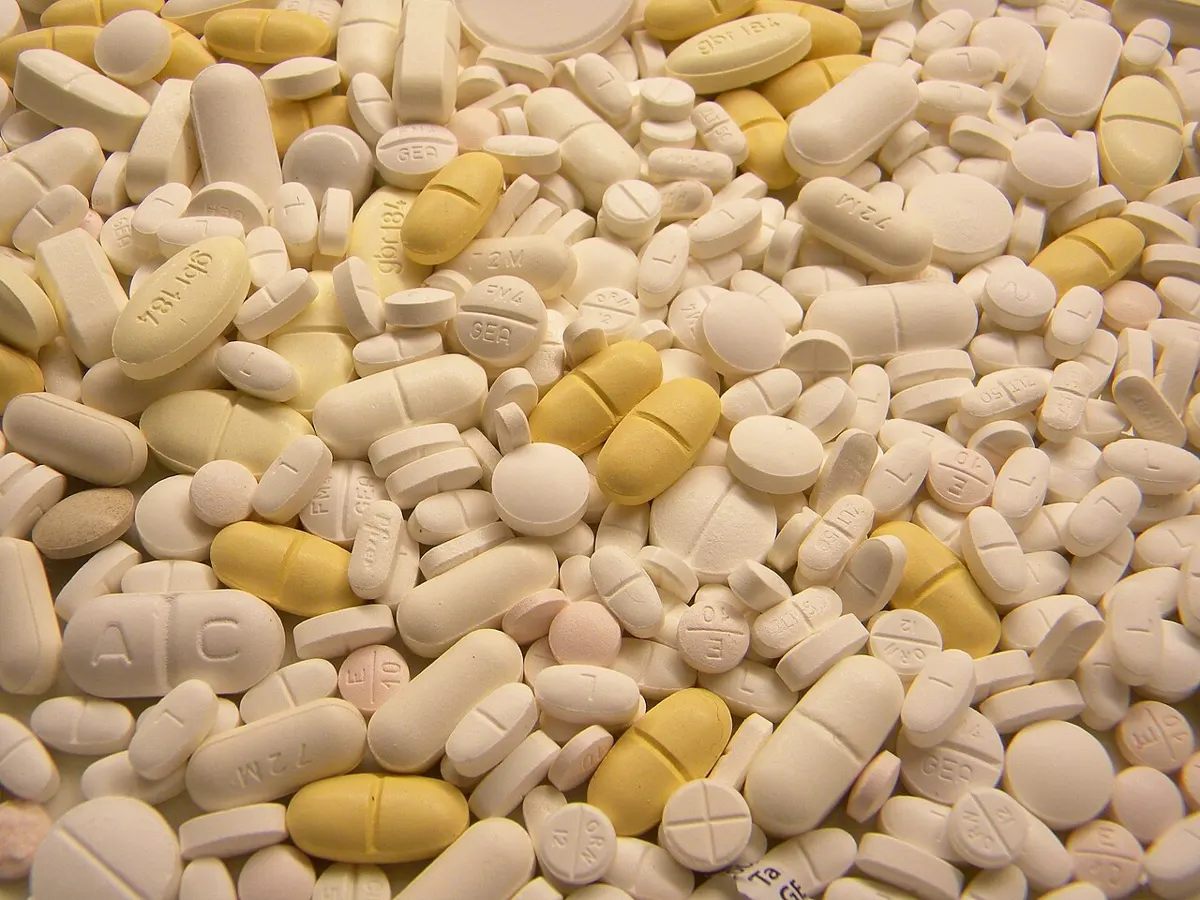
If you're shopping for the best home drug test for opiates, here's the thing nobody on the box tells you plainly: an "opiate" test usually only looks for morphine and codeine (and heroin, because heroin breaks down into morphine). It can easily miss oxycodone, fentanyl, buprenorphine and methadone, which are the opioids most people are actually worried about in 2026. So the best test isn't the one with the nicest packaging or the most panels. It's the one whose strip matches the drug you're trying to find, at a cutoff low enough to catch it. Below we walk through how to match the test to the drug, what the cutoff numbers really mean, which formats work best at home, how to read a faint line, what can cause a false positive, and when a home result needs a lab to back it up.
Disclaimer: This page is general information, not medical or legal advice. Home drug tests are screening tests. A positive result is preliminary and should be confirmed by a lab method such as GC-MS or LC-MS/MS before anyone makes a serious decision. If you're worried about an overdose, call 911 right away.
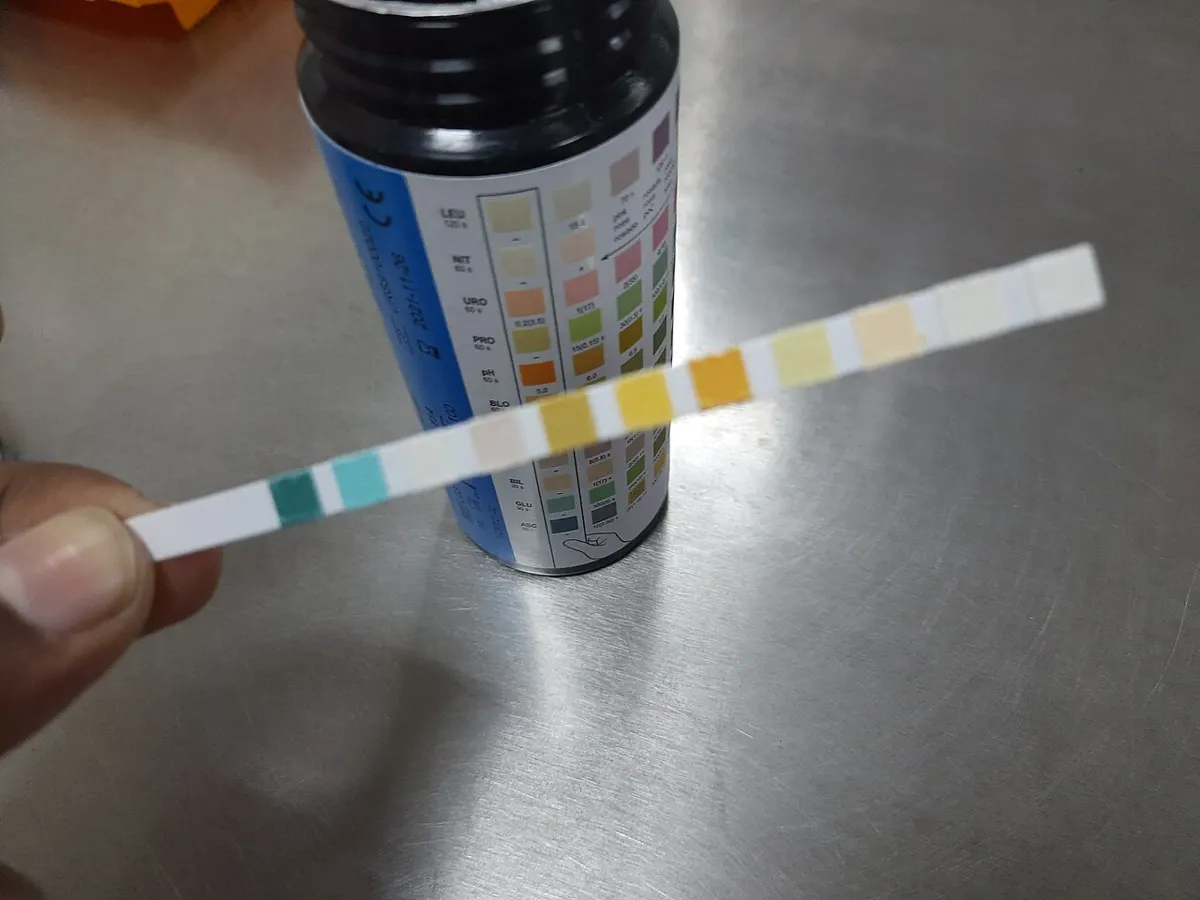
The short answer
For most families and individuals, the best home setup for opioids is not a single "opiate" strip. It's a test that covers several opioid classes at once, or a basic opiate test paired with separate strips for the specific drug you suspect. In plain terms:
- Worried about heroin, morphine or codeine? A standard opiate (OPI or MOP) urine test is built for exactly that.
- Worried about prescription painkillers like OxyContin, Percocet or Roxicodone? You need a test with a separate oxycodone (OXY) strip. A standard opiate strip often won't catch oxycodone at normal doses.
- Worried about fentanyl? You need a dedicated fentanyl (FYL or FEN) strip. A standard opiate test does not detect fentanyl.
- Worried about Suboxone or methadone? Look for buprenorphine (BUP) and methadone (MTD) strips. Neither is covered by a standard opiate strip.
- Not sure what someone might be taking? A multi-panel cup or dip card that lists OPI, OXY, FYL, BUP and MTD as separate panels gives you the widest net for the money.
The single most useful habit is to read the panel list and cutoff table on the box (or the product page) before you buy. Everything else on this page builds on that.
Why "opiates" and "opioids" are not the same thing on a test
People use the two words to mean the same thing in conversation, but drug tests don't. On a test, "opiates" usually means the natural compounds that come from the opium poppy, mainly morphine and codeine. Heroin is turned into a short-lived marker called 6-acetylmorphine (6-AM) and then into morphine, so heroin use normally shows up on an opiate strip too.
"Opioids" is the bigger family. It includes the opiates above plus semi-synthetic drugs made in a lab from them (oxycodone, hydrocodone, hydromorphone, oxymorphone) and fully synthetic drugs (fentanyl, methadone, tramadol, buprenorphine and others). Their chemical shapes are different enough that an antibody built to grab morphine often doesn't grab them, or only grabs them at much higher amounts.
That's why the same person can take a prescription painkiller every day and still pass a basic opiate strip, and why a family member can test someone for "opiates" and get a negative while that person is using fentanyl. It isn't the test being broken. It's the test answering a narrower question than the one you asked.
How home opioid tests work, in plain English
Almost every home urine test for drugs is a lateral flow immunoassay. That's a fancy way of saying a strip of paper with antibodies on it. The urine soaks up the strip. If there's little or no drug present, a colored line forms in the test (T) area. If there's enough drug present, the drug blocks the antibodies and the T line doesn't form. That's why these tests read the "wrong way round" compared with a pregnancy test:
- Two lines (C and T), even a faint T line: negative for that drug.
- Only the C line: preliminary positive for that drug.
- No C line: the test is invalid. Use a new one.
Most home urine strips are read at about five minutes. Reading too early or leaving it for half an hour and then reading can both give you a wrong answer, so set a timer and follow the window printed in the instructions.
What the cutoff number means and why it matters so much
Every strip has a cutoff, written in nanograms per milliliter (ng/mL). Below the cutoff, the test reads negative even if a little drug is there. At or above the cutoff, it reads positive. A lower cutoff catches smaller amounts and catches use from longer ago. A higher cutoff is less likely to flag things like a poppy seed bagel.
For opiates you'll mostly see two numbers on home tests:
- 2,000 ng/mL (morphine): the same initial cutoff federal workplace programs use for codeine and morphine. It was raised from 300 years ago largely to cut down on poppy seed positives.
- 300 ng/mL (morphine): an older, more sensitive cutoff that some home and clinical tests still use. It catches lower levels, but it's also more likely to react to poppy seeds and codeine cough medicine.
For reference, here are the initial screening cutoffs in the federal workplace urine panel that took effect on July 7, 2025, as published by the Department of Health and Human Services. Home kits are not bound by these numbers, but they're a good yardstick for whether a product is in a sensible range:
| What's screened | Federal initial urine cutoff | What it means for a home test |
|---|---|---|
| Codeine / morphine (opiates) | 2,000 ng/mL | A home OPI or MOP strip at 2,000 or 300 is normal |
| Hydrocodone / hydromorphone | 300 ng/mL | Often caught by an opiate strip only at higher levels; check cross-reactivity |
| Oxycodone / oxymorphone | 100 ng/mL | Needs a separate OXY strip at home |
| 6-acetylmorphine (heroin marker) | 10 ng/mL | Home kits rarely test 6-AM; heroin usually shows as morphine |
| Fentanyl | 1 ng/mL | Needs a separate fentanyl strip at home |
Notice how different those numbers are. Fentanyl is so potent that the amount in urine is tiny, which is why a fentanyl strip has a cutoff around 1 ng/mL or in the low single digits, while an opiate strip sits in the hundreds or thousands. One strip can't do both jobs.
Cross-reactivity: the small print that decides what you'll catch
Good test makers publish a cross-reactivity table in the package insert. It tells you how much of a related drug it takes to turn the strip positive. For a typical morphine strip with a 2,000 ng/mL cutoff, published tables show it can take roughly 12,500 ng/mL of hydrocodone or 25,000 ng/mL of oxycodone to trigger a positive, while heroin's marker 6-AM triggers it at a few thousand. Numbers vary by brand, but the pattern is the same: the further a drug is from morphine's shape, the more of it you need.
So if you're looking at two opiate tests and one publishes a cross-reactivity table and the other doesn't, the one with the table is the better buy. It lets you answer "would this catch hydrocodone?" with a number instead of a guess. If an insert or product page lists no cutoff at all, skip it.
Match the test to the drug: a buying table
| If you're concerned about | Strip or panel to look for | Will a basic opiate strip catch it? |
|---|---|---|
| Heroin | OPI / MOP (morphine) | Usually yes, as morphine |
| Morphine, codeine, Tylenol #3 | OPI / MOP | Yes |
| Oxycodone (OxyContin, Percocet, Roxicodone) | OXY | Often no at normal doses |
| Hydrocodone (Vicodin, Norco) | OPI at 300, or a hydrocodone-specific test | Sometimes, depends on amount and cutoff |
| Fentanyl | FYL / FEN | No |
| Buprenorphine (Suboxone, Subutex) | BUP | No |
| Methadone | MTD | No |
| Tramadol | TRA / TML | No |
| Kratom | Specialty mitragynine test | No |
If more than one row applies, a multi-panel test that lists those strips separately will usually cost less than buying each single test on its own.
The main formats, and which suits home use
Single-drug urine strips
The cheapest option. You dip a strip into a cup of urine for a few seconds and lay it flat. Great when you know exactly which drug you're checking for and want to test often, for example a parent following up on a known problem. The downside is that you're only looking through one window.
Dip cards
Several strips mounted side by side on a card. You dip the end into a collected sample. They're a good middle ground: cheap per drug, easy to read and easy to store. Most multi-panel home kits come in this format.
Test cups
The strips are built into the wall of a lidded collection cup, so you never handle the urine. They cost a little more, but they're the cleanest and simplest choice for testing someone else at home, and many have temperature strips that help show the sample is fresh.
Saliva (mouth swab) tests
A swab goes in the mouth, then into a reader. They're harder to tamper with and don't need a bathroom, but the detection window is short, typically from shortly after use to a day or two. They answer "has this person used very recently?" better than "have they used this week?" Opiate cutoffs on oral fluid tests are much lower (around 40 ng/mL is common) because less drug reaches saliva.
Mail-in lab kits
You collect a sample at home and post it to a lab, or use a kit that sends a hair sample away. Slower and pricier, but the lab can run a full panel and confirm what it finds. This is the right move when the stakes are high or a home result has been disputed.
For most people testing for opioids at home, a urine cup or dip card is the best starting point. Urine gives a wider window than saliva, the tests are cheap and widely available, and you can match the panels to the drugs you care about.
What to look for on the box before you buy
- The exact panel list. "Opiates" alone means morphine and codeine. Look for OXY, FYL, BUP and MTD by name if those matter to you.
- The cutoff for each panel. It should be printed on the box, the insert or the product page. No cutoff, no sale.
- FDA status. Many home urine drug tests are FDA-cleared for over-the-counter use. Others are sold "for forensic use only" or for employment. For a home test, an OTC-cleared product is the safer bet because the instructions are written for non-professionals.
- Expiry date and lot number. Out-of-date strips can give weak or missing lines. Check the date on the pouch, not just the outer box.
- Sealed foil pouches. Moisture ruins strips. Each test should be sealed until use.
- A clear results window. Some cheap cards have tiny windows that make faint lines very hard to judge.
- Pack size versus how often you'll test. If you plan to test weekly, a multi-pack cuts the cost a lot.
Our pick for a straightforward opiate screen
If heroin, morphine or codeine is the concern and you just want a simple, low-cost screen, the TestClear Opiate Drug Testing Kit is a sensible place to start. It's listed on TestClear's opiate testing page at around $9.95, made by ITG Labs, and is a simple urine screen with results in minutes. TestClear's same opiate range also includes an oxycodone-specific test kit at a similar price if prescription painkillers are the worry. Prices change, so check the current listing before you order.
If you're not sure which opioid you're dealing with, a multi-panel test will cover more ground. The button lower down links to a 5-panel option; for a wider opioid net, look for a cup that lists oxycodone, fentanyl, buprenorphine and methadone as separate panels.
How to test at home so the result means something
- Pick the right moment. First-morning urine is the most concentrated and gives the best chance of catching low levels. If you test later in the day after a lot of water, a negative is weaker evidence.
- Bring the test to room temperature. If it's been in a cold car or a fridge, let the pouch sit for a while before opening.
- Open the pouch only when you're ready. Strips start absorbing moisture from the air once they're out.
- Collect the sample in a clean, dry cup. For a test cup, fill to the line marked on the cup.
- Dip to the max line and no further. For strips and dip cards, there's an arrow or a max line. Going past it can flood the strip.
- Lay it flat and set a timer. Read at the time the instructions give, usually about five minutes.
- Read in good light. Daylight or a bright white lamp helps you spot faint lines.
- Write it down. Note the date, time, which panels showed what, and take a photo. Lines can fade or darken after the reading window, so a photo at the right time is the honest record.
Reading the result without second-guessing yourself
The most common panic is a very faint T line. On these tests, any visible T line, however light, counts as negative for that drug. It means the drug level is below the cutoff. A positive is the total absence of the T line, not a lighter one.
If you really can't tell whether there's a line there, treat it as unclear rather than positive, and retest with a fresh test and a new sample, ideally first-morning urine the next day. If the C line is missing, the test is invalid no matter what the T area shows.
Remember too that a negative only means "below the cutoff at the time of the test, for the drugs this strip reacts to." It doesn't prove someone has never used, and it says nothing about drugs that the test doesn't cover.
How long opioids typically show up in urine
These are rough ranges. Dose, how often someone uses, kidney and liver function, body size and hydration all shift them, so treat them as a guide and not a promise.
| Drug | Typical urine detection window |
|---|---|
| Heroin (as morphine) | About 1 to 3 days |
| Morphine | About 2 to 3 days |
| Codeine | About 1 to 2 days |
| Oxycodone | About 1 to 4 days |
| Hydrocodone | About 1 to 4 days |
| Fentanyl (and norfentanyl) | About 1 to 3 days, sometimes longer with heavy use |
| Buprenorphine | Several days or more |
| Methadone | Several days, longer with daily dosing |
The practical lesson is that occasional use can be gone from urine in a couple of days. If you test on a schedule someone can predict, a negative tells you less. Random timing gives a truer picture.
Ad: we may earn a commission if you buy through this link. Information only, not medical or legal advice. Tampering with a drug test can be illegal and usually counts as a refusal. The only sure way to pass is to not use.
False positives: what can make an opiate test light up
An opiate strip reacting to something other than misuse is common enough that it's worth knowing the usual suspects before you jump to conclusions:
- Poppy seeds. Bagels, muffins and some baked goods can push morphine and codeine above 300 ng/mL, and occasionally above 2,000 with a large amount of seeds. This is the classic reason the federal cutoff was raised.
- Prescribed codeine. Prescription cough syrups and pain pills with codeine turn an opiate strip positive, as you'd expect.
- Some antibiotics. Certain quinolone antibiotics have been reported to cross-react with opiate immunoassays.
- Rifampin. This tuberculosis drug is a known cause of false positive opiate screens.
- Other prescribed opioids. Large doses of hydrocodone or hydromorphone can trip a morphine strip.
This is exactly why professional programs send any positive screen for lab confirmation. GC-MS or LC-MS/MS identifies the exact drug and amount, so it can tell poppy seeds and codeine apart from heroin. At home, if a positive doesn't fit what you know, don't treat it as proof. Ask about medications and food, and get a lab confirmation if it matters.
False negatives: why a test can miss real use
- Wrong drug for the strip. By far the biggest cause: fentanyl, oxycodone, buprenorphine or methadone on a plain opiate test.
- Timing. Testing several days after the last use, or within the first hour or two before enough drug has reached the urine.
- Dilution. Drinking a lot of water lowers concentration. A very pale sample, or one from late in the day after heavy drinking, is weaker evidence.
- Tampering. Swapped or adulterated samples. Test cups with temperature strips, and adulterant strips that check things like creatinine and specific gravity, help here.
- Expired or damp tests. Strips that were exposed to air or heat can fail quietly.
- Reading too early. The T line can take a few minutes to settle.
Fentanyl deserves its own section
Fentanyl and fentanyl analogues are behind most opioid overdose deaths in the US, and much of it turns up in pills and powders sold as something else. That has two consequences for home testing.
First, a standard opiate test won't tell you about fentanyl. If fentanyl is part of your worry, buy a test with a fentanyl panel. Federal workplace testing added fentanyl to its urine panel in July 2025 at a 1 ng/mL screening cutoff, which gives you an idea how low these tests need to go.
Second, someone can be exposed to fentanyl without knowing it, because they thought they were taking something else. A positive fentanyl result in someone who only admits to taking a "Xanax" or a "Percocet" bought from a friend may be true, and may be a warning sign worth taking seriously, not an accusation of lying.
Keep naloxone (Narcan) at home if anyone in the household uses opioids. It's sold over the counter in the US. A drug test tells you what happened; naloxone can save a life when something goes wrong right now.
Testing a teen or family member: the human side
Most people searching for an opiate home test aren't testing themselves. They're a worried parent, partner or adult child. A few things make the test more useful and less damaging to the relationship:
- Know your goal. Is it to confirm a suspicion, to support someone in recovery, or to set a house rule? Each one shapes how often you test and how you talk about results.
- Talk first, test second where you can. A test sprung without warning can feel like an ambush. A clear, calm rule ("we'll test sometimes, and here's why") tends to go better than a surprise.
- Pick a test that covers the real risk. For teens, that often means a multi-panel test with fentanyl, because counterfeit pills are a real danger.
- Don't treat a single screen as the final word. A positive starts a conversation, and possibly a doctor's visit or lab test. A negative isn't a clean bill of health if the test didn't cover the right drugs.
- Have a plan for a positive. Decide in advance what happens next: a talk, a doctor, a counselor, a treatment assessment. Testing without a plan often leads to shouting and not much else.
Testing yourself
Some people test themselves before a job screen, after a prescription ends, or because they took something and want to know what was in it. A few honest points:
- If you take a prescribed opioid, you're allowed to. Keep the prescription details handy. In a workplace test, a Medical Review Officer will normally contact you to verify a valid prescription before reporting a result.
- If you're checking whether you'll pass a workplace screen, a home test is only a rough guide. Your employer's lab may use different panels and cutoffs, and the lab confirms positives. Don't rely on a home negative as a guarantee.
- If you're testing because you're worried about your own use, that worry is worth listening to. The helpline at the bottom of this page is a good, no-pressure first call.
When to skip the home test and go to a lab
- Any decision with legal, custody or job consequences.
- A positive result that the person disputes.
- When you need to know which specific opioid is involved.
- When you suspect tampering with home samples.
- When a doctor needs results for treatment, for example someone starting or stopping buprenorphine or methadone.
Many walk-in labs and online lab-ordering services offer urine drug panels with confirmation, and a doctor can order one too. It costs more than a strip, but the answer stands up.
Cost: what you should expect to pay
Single opiate tests usually cost a few dollars to around ten dollars each, and less per test in multi-packs. Multi-panel cups and dip cards that add oxycodone, fentanyl, buprenorphine and methadone typically run from around ten to thirty dollars depending on the number of panels. Lab-confirmed tests cost noticeably more. If you're going to test regularly, it's usually cheaper to buy a multi-pack of the right panels than to keep buying single tests from a pharmacy shelf.
Storage and shelf life
Keep unopened tests somewhere cool and dry, out of direct sunlight and away from the bathroom if it gets steamy. Don't freeze them. Most have a shelf life of one to two years from manufacture, printed on each foil pouch. If you bought a big pack, use the older pouches first and throw away anything past its date. An expired test that "works" might still be reading wrong.
Common mistakes we see
- Buying a "5-panel" test assuming it covers fentanyl. Most classic 5-panel tests cover THC, cocaine, amphetamines, opiates and PCP or methamphetamine, with no fentanyl or oxycodone panel.
- Reading a faint line as positive.
- Reading at twenty minutes instead of five.
- Testing in the evening after the person has drunk a lot of water.
- Throwing away the insert, then having no idea what the cutoffs were.
- Treating a home positive as proof without considering medicine, poppy seeds or a lab check.
Special situations worth planning for
After surgery or a dental procedure
Short courses of hydrocodone, oxycodone or codeine after an operation are common. If someone in the house had a prescription in the last week or so, expect related panels to react, and keep the pharmacy label. Testing during that period tells you very little about misuse unless the amounts don't add up.
Someone in recovery on buprenorphine or methadone
Here the goal is usually the opposite of a normal screen: you want the prescribed medicine to show up, because that suggests it's being taken, and you want other opioids to stay negative. A cup with BUP or MTD plus OPI, OXY and FYL panels lets you see both at once. Treatment programs often run their own testing, so ask the clinic before adding home tests on top, and share results with the care team rather than using them as a weapon at home.
Checking unknown pills or powder
A urine test checks a person, not a pill. If the worry is whether a pill or powder contains fentanyl, that's a different product (fentanyl test strips made for drug checking), and the rules for those vary by state. A urine result after the fact only tells you what reached the body.
Testing more than one person
If you're testing two or more people, label each cup or card with a name and time before collection. Mix-ups are easier than you'd think, and a mislabeled positive can do real harm.
Questions to ask before you order
- Which exact drugs does each panel detect, and is there a cross-reactivity table?
- What is the cutoff for each panel in ng/mL?
- Is it cleared for over-the-counter home use, or labeled for professional or forensic use only?
- How long is the shelf life on the stock being shipped?
- Does it include adulteration or temperature checks?
- Can the seller point you to a lab for confirmation if you get a positive?
A seller who can't answer the first two questions isn't selling a test you should trust.
Bottom line
The best home drug test for opiates is the one that matches the drug. A standard opiate strip is a fine, cheap way to check for heroin, morphine and codeine. If oxycodone, fentanyl, buprenorphine or methadone are part of the picture, choose a test with those panels listed by name. Check the cutoff, read at the right time, treat a faint line as negative, and send anything important to a lab for confirmation.
Getting help
If a test result has raised worries about someone you love, or about yourself, you don't have to work it out alone. The SAMHSA National Helpline is free, confidential and open 24/7 at 1-800-662-4357, and can point you to treatment and support near you. If anyone is in crisis or thinking about self-harm, call or text 988. In an overdose emergency, call 911 and use naloxone if you have it.
Sources
Detection windows, cutoffs and procedures on this page are based on these public sources. Individual results vary; this is information, not medical or legal advice. See how the DrugTestAnswers Editorial Team checks facts.
- Moeller KE et al., "Clinical Interpretation of Urine Drug Tests", Mayo Clinic Proceedings, 2017 (PubMed)
- SAMHSA, TAP 32: Clinical Drug Testing in Primary Care
- National Institute on Drug Abuse (NIDA): Drugs A to Z
- MedlinePlus Medical Encyclopedia: Urine drug screen
- SAMHSA National Helpline (free, confidential, 24/7)
Questions people ask
What is the best home drug test for opiates?
The best one matches the drug you're worried about. A standard opiate (OPI or MOP) urine test is good for heroin, morphine and codeine. For oxycodone, fentanyl, buprenorphine or methadone, choose a test that lists those panels separately.
Does a home opiate test detect fentanyl?
No. Standard opiate tests target morphine and codeine. Fentanyl needs its own fentanyl strip, which uses a much lower cutoff.
Will an opiate test pick up oxycodone?
Often not at normal doses. Many morphine-based strips need very high oxycodone levels to react, so use a test with a dedicated OXY panel.
What cutoff should a home opiate test have?
Most use 2,000 ng/mL or 300 ng/mL for morphine. The lower 300 cutoff catches smaller amounts but is more likely to react to poppy seeds and codeine.
Is a faint line on an opiate test positive?
No. On these tests any visible line in the test area, however faint, means negative. A positive is when no test line appears at all.
Can poppy seeds make an opiate test positive?
Yes, they can push morphine and codeine above lower cutoffs and sometimes above 2,000 ng/mL. Lab confirmation can tell poppy seeds and drug use apart.
How long do opiates stay in urine?
Roughly 1 to 3 days for heroin, morphine and codeine, and about 1 to 4 days for oxycodone and hydrocodone. Heavy or long-term use can extend this.
Ad: we may earn a commission if you buy through this link. Information only, not medical or legal advice. Tampering with a drug test can be illegal and usually counts as a refusal. The only sure way to pass is to not use.
No product can promise you a pass, and the only certain way is to not use. Tampering with a drug test can be illegal and is usually treated as a refusal. We never help anyone beat DOT, federal, safety-sensitive, or court-ordered tests. If substance use is getting on top of you, call the free, confidential SAMHSA National Helpline on 1-800-662-4357 (24/7, English and Spanish), or call or text 988 in a crisis. Source: samhsa.gov.