How Much Is a Home Drug Test Kit? Real Price Ranges by Test Type (2026)
Ad: we may earn a commission if you buy through this link. Information only, not medical or legal advice. Tampering with a drug test can be illegal and usually counts as a refusal. The only sure way to pass is to not use.
Updated ·  Written by Daniel Brooks ·
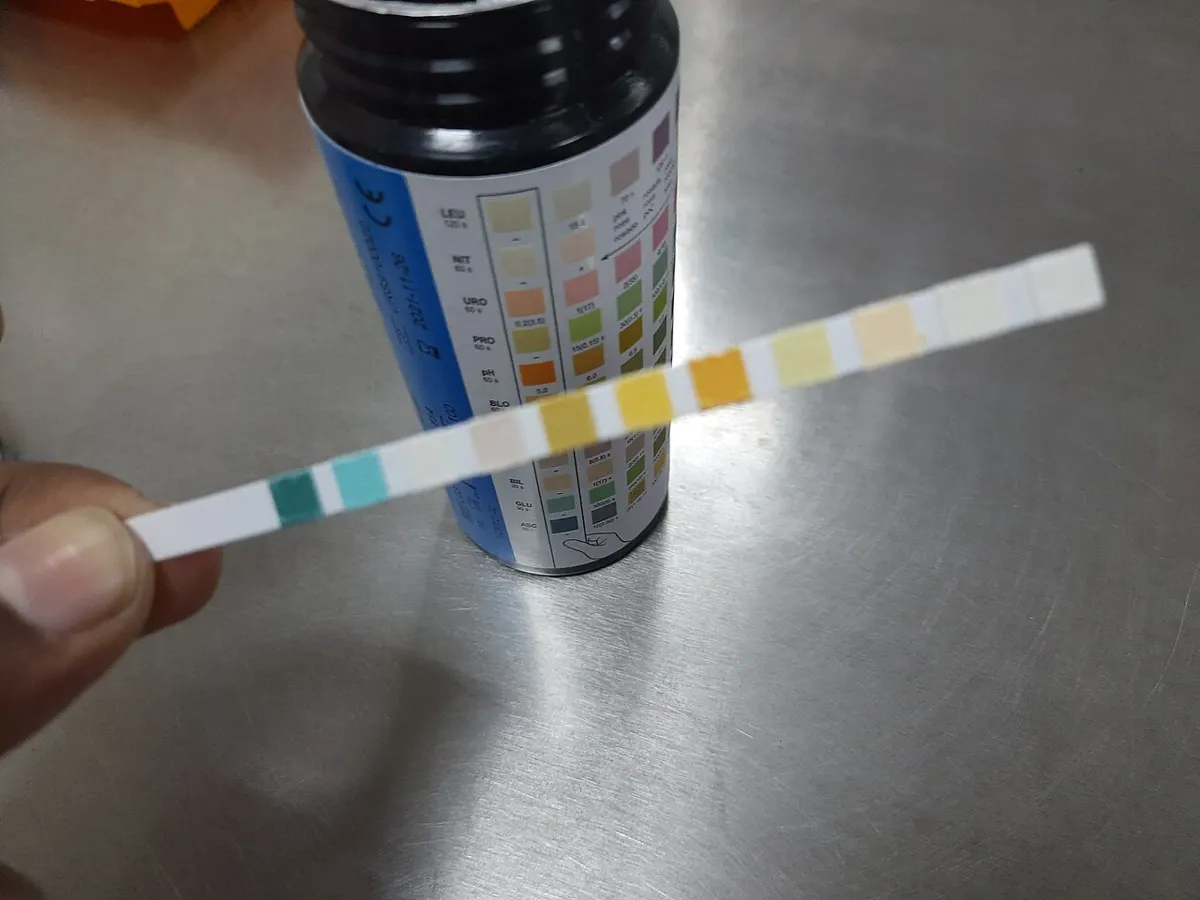
A home drug test kit can cost anywhere from about a dollar to well over a hundred, and the gap isn't random. The price depends on what kind of sample it uses, how many drugs it screens for, whether a lab is involved and how many tests come in the box. If you just want the quick version: a basic single-drug urine strip or dip test usually runs around $5 to $15, a multi-drug dip card or cup is often $10 to $30, saliva tests tend to cost a bit more, and anything that goes to a lab (like a mail-in hair test) jumps to roughly $70 and up. Below we break down each type, what you actually get for the money, the hidden costs people forget, and how to pick the cheapest test that still answers your question.
Quick price guide
Prices move around by store, brand and pack size, so think of these as typical ranges you'll see in the US in 2026, not fixed quotes. Always check the current price at the store before you buy.
| Type of test | Typical price per test | What you get |
|---|---|---|
| Single-drug urine strip or dip card (e.g. THC only) | About $1 to $15 | One drug, results in about 5 minutes; cheapest in bulk packs |
| 5-panel urine dip card | About $5 to $20 | Five common drug classes on one card |
| 10- to 12-panel urine dip card | About $8 to $25 | Wider screen, including several prescription drug classes |
| Multi-panel urine cup | About $10 to $30 | Same idea as a dip card, built into a collection cup with a lid |
| Saliva (mouth swab) test | About $10 to $30 | Shorter detection window; no urine needed |
| Mail-in hair test kit | About $70 to $150+ | You cut a hair sample at home and mail it to a lab |
| Lab-confirmed urine test (ordered online, collected at a lab) | Often about $50 to $150+ | Professional collection and lab screening, sometimes with confirmation |
| Fentanyl test strips | Often $1 to $3 each, sometimes free | Checks a drug sample for fentanyl, not a body sample |
To give you a real-world example, at the time of writing TestClear lists single-drug ITG Labs dip tests at $9.95, a 5-panel multi-drug dip test at $10.95, a 10-panel multi-drug dip test at $15.95 and a mail-in hair drug test kit at $69.99, with free US shipping on orders over $69.95. Those are list prices we saw in October 2026; they can change, so check the product page for today's price.
What actually drives the price
Once you know the handful of things that push a test's price up or down, the ranges above make a lot more sense.
1. The sample type
Urine tests are the cheapest by far because the technology is simple and made in huge volumes. Saliva tests cost a little more because the collection swab and device are more complex. Hair tests cost the most because the sample has to go to a lab, where it's washed, broken down and analysed with lab equipment. You're paying for lab time, not just a strip of paper.
2. How many drugs it screens for
Every drug on a test needs its own test strip, or "panel". A one-drug THC strip has a single panel. A 5-panel covers five drug classes, and a 10- or 12-panel covers more. More panels means more material, so the price goes up, though not in a straight line. A 10-panel usually costs only a few dollars more than a 5-panel, which is why many people find the 10-panel better value.
3. Format: strip, dip card or cup
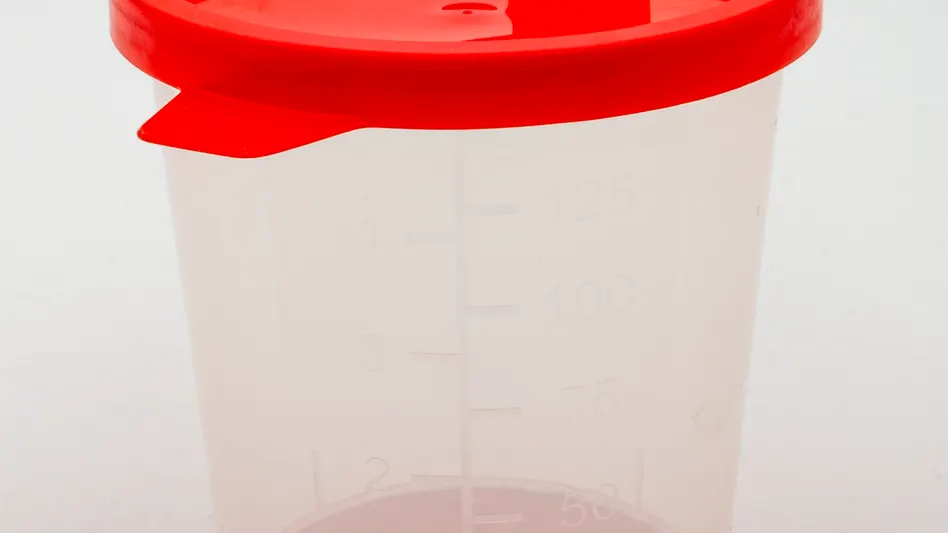
A bare strip is the cheapest. A dip card holds several strips in a plastic frame that you dip into a cup of urine. A cup has the strips built into the side, so you pee in the cup, close the lid and read the result. Cups cost more but are cleaner and easier to use, which matters if you're testing someone else, like a teenager, rather than yourself.
4. Pack size
Buying in bulk is the single biggest way to cut the price per test. A single THC strip at a pharmacy can cost several times more than the same strip bought in a 25- or 50-pack online. If you'll test more than once, for example to track your own progress over a few weeks, a multipack almost always pays off.
5. Brand and where you buy
Pharmacy-shelf brands with big marketing budgets tend to cost more than plain-label tests sold online or by specialist stores. That doesn't automatically make them better. What matters most is the cutoff level and whether the test is FDA-cleared for home use.
6. Whether a lab is involved
Any test that ends with a lab result costs more because of shipping, lab processing and reporting. Some home kits include optional lab confirmation of a positive result; that's useful but pushes the cost up.
Single-drug tests: the cheapest option
If you only care about one substance, a single-drug test is the cheapest way to get an answer. The most common is a THC (marijuana) test, but you can also buy single tests for cocaine, opiates, amphetamines, benzodiazepines, oxycodone, nicotine and more.
Typical price: roughly $1 to $3 each in large bulk packs, and about $5 to $15 for a single test bought on its own.
Good for: checking one specific thing, like whether THC has cleared after you stopped smoking, or testing for nicotine before an insurance exam.
Watch out for: the cutoff level. A THC test might be set at 50 ng/mL (the common workplace screening cutoff) or at a lower level like 20 or 25 ng/mL, which is more sensitive. If you're checking yourself before a workplace test, a 50 ng/mL test matches the standard screening cutoff; a more sensitive one gives you a safety margin. The packaging should say which it is.
5-panel tests: the classic workplace screen
A 5-panel test checks for the same five drug classes covered by the standard federal workplace panel: marijuana (THC), cocaine, amphetamines (including methamphetamine), opiates and phencyclidine (PCP). Some newer 5-panels swap in other drugs, so read the label.
Typical price: roughly $5 to $20 per test, less in multipacks.
Good for: a basic, broad check that mirrors what many employers screen for.
Watch out for: it doesn't cover benzodiazepines, oxycodone, methadone, buprenorphine or fentanyl unless the label says so. If any of those matter to you, you need a bigger panel.
10- and 12-panel tests: the best value for most people
A 10-panel test usually covers the five classic drugs plus several prescription and other drug classes, such as benzodiazepines, barbiturates, methadone, oxycodone, MDMA or propoxyphene, depending on the brand. A 12-panel adds a couple more, often including buprenorphine or fentanyl.
Typical price: roughly $8 to $25 per test as a dip card, more as a cup, less in multipacks.
Good for: parents, people who take prescription medication and want to know what might show up, and anyone who wants a broad picture without paying lab prices.
Watch out for: panel lists vary a lot between brands. Two "10-panel" tests can cover different drugs. Check the exact list against what you're trying to find out.
Cups vs dip cards: is the extra money worth it?
A cup and a dip card use the same type of test strips, so accuracy is usually similar. The difference is convenience.
| Dip card | Cup | |
|---|---|---|
| Typical price | Lower | Higher, often a few dollars more |
| How you use it | Pee in any clean cup, then dip the card | Pee in the test cup, close the lid, read the strips |
| Mess | Some; you handle the card near the sample | Less; the sample stays sealed |
| Best for | Testing yourself, keeping costs down | Testing someone else, or anyone who wants a tidier process |
If you're testing yourself and you don't mind the extra step, a dip card is the cheaper choice and works just as well.
Saliva tests: a bit more money, a different window
Saliva (mouth swab) tests look for recent use, often within roughly the last day or two for most drugs. They're popular with some employers because collection is quick and hard to tamper with.
Typical price: roughly $10 to $30 per test, depending on how many drugs it covers.
Good for: checking very recent use, or practising with the same kind of test an employer plans to use.
Watch out for: because the window is shorter, a negative saliva test doesn't tell you whether you'd pass a urine or hair test. Match the test type to the one you're actually facing.
Mail-in hair tests: the priciest home option
Hair tests look back much further than urine or saliva, typically around 90 days using a standard 1.5-inch sample from near the scalp. Because the hair has to be analysed in a lab, you can't get a result on your kitchen counter. Instead, a home kit gives you the tools to cut and package a sample, and you mail it to the lab.
Typical price: roughly $70 to $150 or more, depending on the panel and the lab.
Good for: people facing a hair test who want to see what it shows first, or parents who want a longer-range picture.
Watch out for: turnaround time (usually several days to a couple of weeks including shipping), and whether the lab reports results privately to you.
Lab tests you order yourself
Some companies let you order a urine drug test online, then visit a collection site for professional collection. These cost more than home kits but give you a lab-processed result, and some include confirmation testing of any positive screen using methods like GC-MS or LC-MS/MS.
Typical price: often around $50 to $150 or more.
Good for: anyone who needs a lab-quality result for personal reasons, or who got a confusing result on a home test and wants a second opinion.
Watch out for: these are personal tests, not official ones. They don't replace a test your employer, a court or another program requires.
What about alcohol tests?
Standard drug test kits don't check for alcohol unless the label specifically lists it. If alcohol is what you're worried about, there are a few separate options, each with its own price range:
- Alcohol saliva strips give a rough reading of recent drinking and are among the cheapest options, often a few dollars each or less in packs.
- EtG urine tests look for a breakdown product of alcohol that can be detected for longer than alcohol itself, often up to a few days after heavy drinking. Home EtG strips usually cost more than a basic THC strip, and lab EtG tests cost more again.
- Personal breathalyzers are a one-time purchase rather than a per-test cost. Budget semiconductor models are cheap, while fuel-cell models with better accuracy cost noticeably more and need recalibration over time.
If you want to know whether someone has been drinking recently, a breathalyzer or saliva strip is usually the most practical. If you need to check for drinking over the past few days, an EtG test is the type that's designed for that.
Budgeting for testing a teenager
Parents are one of the biggest groups buying home drug tests, and the cost question looks a little different for them. Rather than one test, it's usually an ongoing plan. A few practical tips:
- Talk first, test second. Many family counsellors suggest making testing part of a clear, calm conversation about expectations rather than a surprise. That conversation costs nothing and often matters more than the test.
- Pick one broad test as your standard. A 10-panel cup covers most of what parents worry about, and using the same test each time makes results easier to compare.
- Buy a small pack, not a huge one. Five or ten tests is usually enough for a few months, and you avoid expired stock.
- Know what to do with a positive. A home result is a screen. If it's positive, consider a lab confirmation and a conversation with your child's doctor before drawing big conclusions.
Hidden costs people forget
- Shipping. A cheap online test can end up costing as much as a pharmacy test once shipping is added. Many stores offer free shipping over a set order value, so bundling a few tests together can make the shipping disappear.
- Re-tests. If you're tracking how fast something clears, you'll need more than one test. Buying one at a time adds up quickly.
- Expiry dates. Tests expire, usually printed on the pouch. Buying a 50-pack only saves money if you'll use them before they expire.
- Confirmation testing. If a home test shows a result you don't believe, you may want a lab to confirm it, which costs extra.
- Invalid results. A test can fail if the control line doesn't show. Having a spare test on hand saves you a second trip to the store.
Ad: we may earn a commission if you buy through this link. Information only, not medical or legal advice. Tampering with a drug test can be illegal and usually counts as a refusal. The only sure way to pass is to not use.
Where it's cheapest to buy
Price varies a lot by where you shop. Here's how the main options usually compare on cost:
- Online specialist stores usually have the lowest per-test prices, the widest choice of panels and the best bulk deals. You trade a few days of shipping for the savings.
- Big-box stores are convenient and sometimes run sales, but the range of panels is limited.
- Pharmacies are the most convenient for same-day needs and often the most expensive per test.
- Dollar stores sometimes carry very basic single-drug tests at low prices; check the cutoff and expiry date carefully.
If you need a test today, the pharmacy is fine. If you can wait a few days, ordering online is almost always cheaper, especially if you need more than one.
Is a more expensive test more accurate?
Not necessarily. Most home urine tests use the same basic technology, called a lateral flow immunoassay. What makes a test reliable has more to do with:
- FDA clearance for home use. Look for wording on the box saying the test is cleared for over-the-counter or home use.
- Clearly stated cutoff levels. A good test tells you the cutoff for each drug, in ng/mL.
- Storage and expiry. An expired test, or one left in a hot car, can give unreliable results no matter what it cost.
- Following the instructions. Reading the result too early or too late is one of the most common reasons for confusing results.
A $3 strip from a reputable maker that's in date, stored properly and read on time can be just as reliable as a $25 cup. You pay more for convenience, more drugs and branding, not for basic accuracy.
Insurance, HSA and FSA
Health insurance generally doesn't pay for home drug test kits you buy for personal use. Some retailers list home drug tests as HSA or FSA eligible, so if you have one of those accounts, it's worth checking with your plan administrator before you pay out of pocket. Rules differ by plan, so don't assume.
If a doctor orders a drug test as part of your medical care, that's a different situation, and your insurance may cover it like any other lab test.
Free and low-cost options
- Fentanyl test strips are handed out free by many health departments, harm-reduction programs and community organizations. They test a drug sample, not your urine, so they're for checking what's in a substance, not for passing a test.
- Community health programs sometimes offer free or low-cost testing as part of treatment or support services.
- Your doctor can order a lab test if there's a medical reason, which may be covered by insurance.
Which test should you buy? Match the price to the question
The cheapest test isn't always the right one, and the most expensive isn't always necessary. Start with the question you're trying to answer:
| Your situation | Best-value choice | Rough cost |
|---|---|---|
| "Has THC cleared my system yet?" | Single-drug THC strips in a multipack (match the 50 ng/mL cutoff, or go lower for a margin) | A few dollars per test |
| "I have a standard pre-employment urine test coming up" | 5-panel or 10-panel urine dip card | About $10 to $20 |
| "I take prescription meds and want to know what shows up" | 10- or 12-panel test that lists your medication class | About $10 to $25 |
| "I'm worried about a teenager" | 10-panel cup for a cleaner process | About $15 to $30 |
| "My job uses mouth swabs" | Saliva test with the same drugs | About $10 to $30 |
| "I'm facing a hair test" | Mail-in hair test kit | About $70 and up |
| "My home test result looks wrong" | Lab test with confirmation | About $50 to $150+ |
How to get the most out of a cheap test
- Check the expiry date before you open the pouch.
- Let the test reach room temperature if it's been somewhere cold.
- Use first-morning urine if you want the most sensitive check. It's usually the most concentrated sample of the day, so it gives you a conservative picture.
- Dip for the exact time on the instructions, usually 10 to 15 seconds, and don't let the urine go above the max line.
- Read at the stated time, often 5 minutes. Don't read results after the window closes, which is commonly about 10 minutes.
- Remember how the lines work. On most tests, any visible test line (even faint) next to a control line means negative for that drug, and no test line means positive. A missing control line means the test is invalid.
The per-test math: how bulk packs change the price
The sticker price on a box can be misleading. A single test for $10 sounds cheap until you need five of them. Here's how to think about it.
Divide the total price by the number of tests in the pack to get your real cost per test. Then think honestly about how many you'll use before they expire. A few examples of how that plays out:
- One-off check. If you need exactly one answer, one time, a single test is fine, even if the per-test price is higher. Don't buy a 25-pack you'll never finish.
- Tracking THC as it clears. Someone who stopped using cannabis and wants to see when they test negative may test every few days for several weeks. That could easily mean 6 to 10 tests. Buying them one at a time at a pharmacy could cost $60 to $100 or more; a multipack of strips might cost a fraction of that.
- Household testing. Parents who test occasionally over a year may use a dozen or more tests. A bulk pack of 10-panel dip cards usually beats buying cups one at a time, as long as you watch the expiry date.
The sweet spot for most people is a small multipack, often 5 to 10 tests. You get most of the bulk saving without ending up with a drawer full of expired tests.
Cutoff levels: the detail that matters more than price
Two tests at the same price can give you different answers because they use different cutoff levels. The cutoff is the amount of a drug (in nanograms per millilitre of urine) that a test needs to see before it shows a positive. A lower cutoff means a more sensitive test.
For reference, the federal workplace guidelines used for regulated testing set initial screening cutoffs like these for urine:
| Drug | Common federal screening cutoff (urine) |
|---|---|
| Marijuana (THC metabolite) | 50 ng/mL |
| Cocaine (benzoylecgonine) | 150 ng/mL |
| Amphetamine / methamphetamine | 500 ng/mL |
| MDMA | 500 ng/mL |
| Codeine / morphine | 2,000 ng/mL |
| Oxycodone / oxymorphone | 100 ng/mL |
| Phencyclidine (PCP) | 25 ng/mL |
Many private employers use the same or similar numbers, but not all, and home tests may use different ones. Some cheap THC tests are set at 20 or 25 ng/mL, which is stricter than 50. That's not a bad thing if you want a safety margin, but it means a positive on a sensitive home test doesn't automatically mean you'd fail a 50 ng/mL screen. The reverse matters too: a test with a higher cutoff than the one you'll face could give you false comfort.
So before you compare prices, compare cutoffs. A $2 strip with the right cutoff is a better buy than a $20 cup with the wrong one.
Red flags on a test that's suspiciously cheap
Cheap tests can be perfectly good. But a few warning signs suggest you should skip a particular product:
- No cutoff levels listed anywhere on the packaging or product page.
- No expiry date on the pouch, or a date that's already close.
- Damaged or open pouches. Moisture ruins test strips; each one should come sealed with a small desiccant packet.
- No instructions in clear English, or instructions that don't say how long to wait before reading.
- Big promises like "100% accurate" or "lab grade" with nothing to back them up. All screening tests can give occasional false positives and false negatives.
- No information about who makes it or how to contact the seller.
Questions to ask yourself before you buy
- What type of test am I actually facing? Urine, saliva and hair have very different windows. Buy the same type.
- Which drugs matter? Don't pay for 12 panels if you only care about one, and don't buy a 5-panel if you need to see benzodiazepines or oxycodone.
- What cutoff do I need? Match the cutoff you'll be tested at, or go lower for a margin of safety.
- How many tests will I really use? Then pick a pack size you'll finish before the expiry date.
- How soon do I need it? If it's today, pay the pharmacy price. If it's next week, order online and save.
- Do I need a lab result? Only if a home screen gives a result you don't trust, or you need a hair test.
Prescription medicines and the cost of a "surprise" positive
One reason people spend a little more on a bigger panel is prescriptions. Medicines like certain ADHD stimulants, benzodiazepines for anxiety, and opioid painkillers can show up on the matching panels. Some over-the-counter products and foods can also cause occasional false positives on screening tests.
A home test that shows a positive for a medicine you're prescribed isn't a problem in itself. In a workplace test, a positive screen is usually confirmed by a lab and reviewed by a medical review officer (MRO), who can verify a valid prescription. Knowing ahead of time what shows up just helps you have your paperwork ready. That peace of mind is often worth the extra few dollars for a 10-panel.
A note on official tests
A home kit is for your own information. It can't replace or change a test required by your employer, and it isn't a way around one. If you're subject to DOT, federal, court-ordered or probation testing, follow that program's rules exactly; this page doesn't offer advice for getting around those tests. Tampering with a drug test can be illegal and usually counts as a refusal. The only sure way to pass is to not use.
If testing is bringing up bigger worries
Sometimes buying a home test is the moment someone realises they want to cut back or stop, or that they're worried about someone they love. That's a good moment to reach out. The SAMHSA National Helpline is free, confidential and open 24/7 at 1-800-662-4357, and anyone in crisis can call or text 988.
Sources
Detection windows, cutoffs and procedures on this page are based on these public sources. Individual results vary; this is information, not medical or legal advice. See how the DrugTestAnswers Editorial Team checks facts.
- MedlinePlus (U.S. National Library of Medicine): Drug Testing
- SAMHSA, TAP 32: Clinical Drug Testing in Primary Care
- Moeller KE et al., "Clinical Interpretation of Urine Drug Tests", Mayo Clinic Proceedings, 2017 (PubMed)
- HHS/SAMHSA, Mandatory Guidelines for Federal Workplace Drug Testing Programs using Urine, Federal Register, 12 Oct 2023
- SAMHSA National Helpline (free, confidential, 24/7)
Questions people ask
How much is a home drug test kit?
Most home urine tests cost about $5 to $30 each, depending on how many drugs they cover and whether it's a strip, dip card or cup. Saliva tests run about $10 to $30, and mail-in hair test kits about $70 or more.
What is the cheapest home drug test?
Single-drug urine strips bought in bulk are the cheapest, often just a dollar or two per test. A single test bought on its own at a pharmacy usually costs more.
Is a 10-panel drug test worth the extra money over a 5-panel?
For most people, yes. A 10-panel usually costs only a few dollars more and covers several prescription drug classes that a 5-panel misses.
Are expensive home drug tests more accurate?
Not necessarily. Most use the same immunoassay technology. Accuracy depends more on FDA clearance, clear cutoff levels, the expiry date and following the instructions.
Does insurance cover home drug test kits?
Usually not for personal use. Some retailers list them as HSA or FSA eligible, so check with your plan administrator.
Why are hair drug tests so expensive?
The hair sample has to be processed and analysed in a lab, which costs much more than a self-read urine strip. Prices usually start around $70.
Ad: we may earn a commission if you buy through this link. Information only, not medical or legal advice. Tampering with a drug test can be illegal and usually counts as a refusal. The only sure way to pass is to not use.
No product can promise you a pass, and the only certain way is to not use. Tampering with a drug test can be illegal and is usually treated as a refusal. We never help anyone beat DOT, federal, safety-sensitive, or court-ordered tests. If substance use is getting on top of you, call the free, confidential SAMHSA National Helpline on 1-800-662-4357 (24/7, English and Spanish), or call or text 988 in a crisis. Source: samhsa.gov.