How Accurate Is a Saliva Drug Test for Weed? Detection Windows, Cutoffs and Real Error Rates
Ad: we may earn a commission if you buy through this link. Information only, not medical or legal advice. Tampering with a drug test can be illegal and usually counts as a refusal. The only sure way to pass is to not use.
Updated ·  Written by Daniel Brooks ·
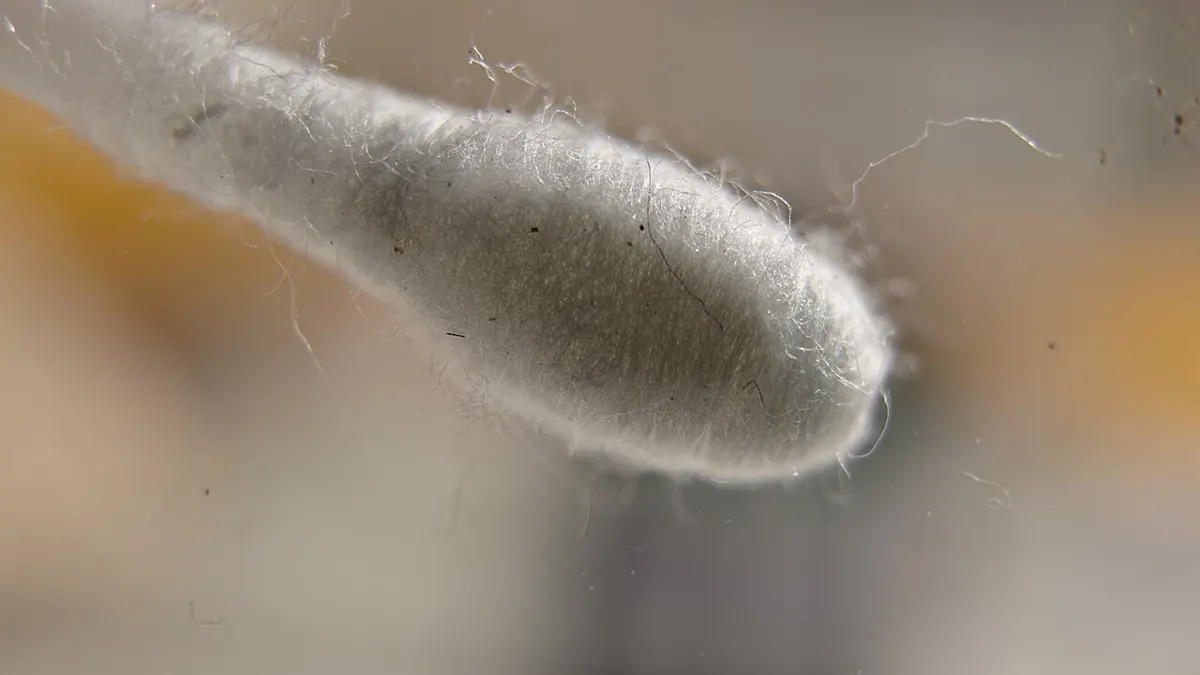
A saliva drug test for weed is fairly accurate at one specific job: telling whether someone has used cannabis recently, usually within the last day or so. It's much less useful for anything beyond that. Unlike a urine test, which looks for a metabolite your body stores and slowly releases, a mouth swab mostly looks for THC itself sitting in the mouth and saliva. That gives it a short window, makes it sensitive to when and how you used, and means the brand of test matters a lot. Independent roadside studies have found some devices catching THC in over 95% of samples that a lab confirmed, while others missed far more. Below we explain what the test detects, how long weed shows up, where the errors come from, and how to get the most reliable result from a home swab.
Disclaimer: This page is general information, not medical or legal advice. Saliva drug tests are screening tests, and any positive should be confirmed by a lab. Rules on cannabis use and testing differ by state and employer, so check what applies to you.
The quick answer
- What it detects: mostly the parent drug, delta-9 THC, left in the mouth and saliva after smoking, vaping or eating cannabis.
- Typical window: from shortly after use to around 24 hours for occasional users, sometimes up to 48 to 72 hours or more for heavy, daily users.
- Accuracy: good to very good for recent use on the better devices, with specificity (avoiding false positives) usually in the 90s percent. Sensitivity (catching real use) varies widely by brand and by how recently the person used.
- Biggest weakness: false negatives, especially after edibles, with low-dose or occasional use, or once more than several hours have passed.
- Bottom line: a positive swab is a fairly strong sign of recent use, pending lab confirmation. A negative swab is decent evidence of no very recent use, and weak evidence about the past few days.
What a saliva test is actually looking for
When you smoke or vape cannabis, THC coats the inside of your mouth. Some also passes from the blood into saliva, but for THC that route is small. So most of what a mouth swab picks up in the first hours is that leftover oral residue, and it fades as the mouth clears.
A urine test works very differently. It looks for THC-COOH, an inactive metabolite your liver makes from THC. THC-COOH is stored in fat and released slowly, which is why regular users can test positive in urine for weeks. Saliva tests mostly don't target THC-COOH, which is why they have a much shorter window and why they're often described as a better match for "recent use" than urine.
Some lab-based oral fluid panels also measure THC-COOH in saliva at very low levels, which can extend detection a little, but most instant home and workplace swabs are built around parent THC.
Cutoff levels: the number that sets the window
Each test has a cutoff, the THC concentration in saliva at or above which it reads positive. The lower the cutoff, the longer and more sensitive the window. Cutoffs on instant oral fluid tests vary much more than on urine tests, which is a big reason accuracy claims differ.
| Setting | Typical THC cutoff in oral fluid | What that means |
|---|---|---|
| Federal workplace oral fluid testing (lab) | 4 ng/mL screen, 2 ng/mL lab confirmation | Fairly sensitive; designed for lab-based programs |
| Instant employer and home swabs | Commonly about 12 to 50 ng/mL, depending on the product | Mainly catches use in the last several hours to a day |
| Roadside police devices | Often in the 5 to 25 ng/mL range, varies by device and country | Built to flag very recent use |
As an example, the SalivaConfirm family of oral swabs, made by Confirm BioSciences, has been sold in versions with a THC cutoff as low as 12 ng/mL and others at 40 ng/mL. Two swabs that look the same can therefore give different answers on the same sample. Always check the cutoff on the package insert of the exact test you have.
How long weed shows up on a saliva test
There's no single number, because frequency, dose and method all matter. Here's what research and manufacturer guidance generally point to:
| Type of use | Typical saliva detection window |
|---|---|
| One-off or occasional smoking or vaping | A few hours up to about 24 hours |
| Several times a week | Up to roughly 1 to 2 days |
| Daily or heavy use | Up to about 72 hours, and in some studies longer |
| Edibles (eaten, not smoked) | Often shorter and weaker, because little THC is left in the mouth |
The very first window matters too. Right after smoking, oral THC can be extremely high, so a swab is almost certain to catch use in the last hour or two. As hours pass, levels drop, and a test with a high cutoff will start to miss.
What the research says about accuracy
Most good data on saliva THC tests comes from studies of roadside devices, because those get checked against lab confirmation. The findings are a useful guide to instant tests in general:
- A large roadside evaluation published in 2024, covering nearly 9,000 tests across several devices, found sensitivity ranging from close to 0% on the worst device to about 97% on the best, with specificity between roughly 90% and 98.5%. In plain terms: the good devices rarely gave false positives and caught most real use, while some cheaper ones missed a lot.
- A controlled study where people vaped cannabis and were then tested with two well-known roadside devices found false negative rates of around 9% for one and 16% for the other, measured against lab results at a 10 ng/mL cutoff.
- Earlier roadside survey data showed the better devices agreeing closely with lab results for recent use.
The pattern is consistent. Saliva tests are rarely wrong when they say "positive." When they're wrong, it's usually a miss. And device quality makes a big difference, so a no-name swab with no published cutoff or performance data is a gamble.
Why saliva tests miss real use (false negatives)
- Time since use. Several hours after a single session, oral THC can drop below a 25 or 50 ng/mL cutoff.
- Edibles. Swallowed THC leaves little residue in the mouth, so swabs often perform worse after gummies and baked goods than after smoking.
- Not enough saliva. A dry mouth or rushing the swab means too little sample. Many devices have a saturation indicator that changes color when there's enough; if yours doesn't, follow the timing on the insert exactly.
- High cutoff. A 40 or 50 ng/mL test will miss lower levels that a 12 ng/mL test would catch.
- Reading too early. Many oral swabs take about 10 minutes to develop fully.
- Eating, drinking or mouthwash right before. These dilute or wash away THC in the mouth. That's why testers ask you not to put anything in your mouth for at least 10 minutes beforehand.
- Old or badly stored kits. Heat and moisture damage the test strips.
Why saliva tests can flag the wrong person (false positives)
False positives are less common with saliva than with urine immunoassays, but they do happen:
- Cross-reacting substances. Some compounds can react with THC antibodies, though fewer have been documented for oral fluid tests than for urine.
- Hemp and CBD products. Many CBD products contain small amounts of THC, and some are mislabeled with more than they claim. Using a CBD oil or vape shortly before a swab can leave enough THC in the mouth to test positive. This isn't really a "false" positive, since THC is there, but it can catch people who thought they were using a THC-free product.
- Delta-8 and other hemp-derived THC. Many immunoassays for THC react to these related cannabinoids. If you use delta-8 products, a THC test can come back positive.
- Misreading the result. Like urine tests, most swabs show a line for negative and no line for positive. A faint line is still a negative.
- Secondhand smoke. In ordinary settings this is unlikely to produce a positive with typical cutoffs. Studies in unventilated, smoke-filled rooms have shown oral contamination right afterward, which is why test protocols often want a waiting and observation period.
Lab confirmation with GC-MS or LC-MS/MS identifies delta-9 THC specifically and measures how much is there, which sorts out many of these cases.
Saliva vs urine vs hair vs blood for weed
| Test | What it looks for | Typical window for weed | Best at |
|---|---|---|---|
| Saliva | Mostly parent THC in the mouth | Hours to about 1 to 3 days | Recent use, hard to tamper with |
| Urine | THC-COOH metabolite | A few days for occasional use, weeks for heavy use | Use over the past days to weeks |
| Blood | THC and metabolites | Hours for THC, longer for metabolites | Very recent use, usually in medical or legal settings |
| Hair | THC-COOH in the hair shaft | Roughly 90 days of history | Long-term pattern of use |
Saliva sits between blood and urine. It's easier and less invasive than blood, and harder to cheat than an unobserved urine test because the swab is taken in front of the tester. But it can't see as far back as urine or hair.
Does a positive saliva test mean someone is high?
Not necessarily. A positive means THC was present in the mouth or saliva above the cutoff. Because the window can stretch to a day or longer in heavy users, someone can test positive well after any effect has worn off. That's a big reason saliva tests are favored over urine in some workplaces and roadside programs: they come closer to "recent use" than urine. But they still don't measure impairment the way a breathalyzer gives a number for alcohol. There's no agreed saliva THC level that equals being high for everyone.
How to get the most accurate result from a home swab
- Check the cutoff and expiry date on the pouch before you start.
- Nothing in the mouth for 10 minutes. No food, drink, gum, candy, mouthwash or smoking. Rinsing just before can wash away THC and give a false negative.
- Follow the swab time. Put the collection pad in the mouth, usually between the cheek and gum and under the tongue, and leave it until the saturation indicator changes or the time on the insert passes.
- Don't chew or suck hard on the pad. Let it soak.
- Insert the swab into the device and close it as directed.
- Set a timer and read at the stated time, often about 10 minutes. Don't read after the cutoff time on the insert.
- Read lines in good light. Any line in the test area, however faint, is a negative. No line is a preliminary positive. No control line means the test failed.
- Take a photo at the reading time for your records.
Ad: we may earn a commission if you buy through this link. Information only, not medical or legal advice. Tampering with a drug test can be illegal and usually counts as a refusal. The only sure way to pass is to not use.
Picking a saliva test for weed at home
If you're testing at home, for yourself or someone else, look for an oral swab that clearly lists its THC cutoff, has a saturation indicator so you know there's enough sample, and comes with clear instructions. A lower THC cutoff gives you a longer, more sensitive window.
The SalivaConfirm 5-panel oral fluid kit sold through TestClear screens for THC plus methamphetamine, amphetamines, opiates and cocaine, has a color-changing saturation indicator, and reads in about 10 minutes. It's a reasonable pick if you want a broader check than THC alone. If what you really want to know is whether THC is still showing over the past several days, a urine THC test will give you a much longer window, and we've linked one further down the page.
What employers and police typically do with saliva results
Workplaces that use oral fluid testing usually do an instant screen on site and send any non-negative result to a lab for confirmation before acting on it. Under federal rules, labs and a Medical Review Officer are involved before a result is final. Policies on cannabis also differ a lot. Some states protect off-duty cannabis use for many jobs, while safety-sensitive roles often still test. Check your employer's written policy and your state's rules, not a forum post.
For driving, some states and many countries use roadside oral fluid tests as a screening tool, followed by a blood or lab test. The roadside result alone usually isn't the final evidence. Driving after using cannabis is dangerous and illegal everywhere in the US, whatever a swab says.
Myths about saliva tests and weed
- "Mouthwash will beat it." Rinsing can lower THC right after use, but testers ask for a waiting period with nothing in your mouth, and many watch you during it. Don't count on it.
- "Edibles never show up." They're harder to catch, not invisible. Some THC does reach saliva from the blood, and heavy edible use can be detected.
- "Saliva tests can't detect weed after a few hours." For heavy users, positives a day or more later are common.
- "A positive swab means you were high at work." Not necessarily. It means recent use, within the test's window.
- "All mouth swabs are the same." Cutoffs and quality vary widely, and that's the main reason for different accuracy numbers.
Accuracy in real situations: four quick scenarios
Numbers in studies are averages. It helps to see how they play out for different people. These are illustrations based on the general patterns above, not predictions for any one person.
The occasional weekend smoker tested on Monday
Someone who shares a joint on Saturday night and is swabbed on Monday morning is more than 30 hours out. With a typical instant test cutoff, a negative is the most likely result, and it would be an accurate reflection of no recent use. A urine test on the same morning could easily be positive, because the metabolite hangs around much longer.
The daily user tested the next morning
A person who vapes or smokes every evening and is tested at 8 a.m. is well inside the window. THC builds up in heavy users and keeps seeping into saliva, so a positive is likely even on a mid-range cutoff, and lab confirmation would probably agree. This is where saliva tests are at their most reliable.
The edible user tested a few hours later
Someone who ate a gummy four hours before a swab may well be feeling the effects, yet the test could still come back negative, because so little THC was left in the mouth. This is the classic false negative case, and why saliva tests aren't treated as impairment meters.
The CBD user who swears they never touched weed
A person using a full-spectrum CBD oil several times a day, tested shortly after a dose, could test positive if the product holds more THC than its label says. The swab is technically right that THC is present; the surprise is in the product. Lab testing of both the person's sample and, if possible, the product, is the way to settle it.
Factors that shift your personal window
- Potency. High-THC concentrates such as dabs and carts can leave more THC behind than a low-strength flower joint.
- How often you use. Daily use stretches the window more than anything else.
- How much you used in one session. Larger amounts take longer to fall below the cutoff.
- Smoked or vaped vs swallowed. Inhaled cannabis contaminates the mouth; swallowed cannabis mostly doesn't.
- Saliva flow. Dry mouth (which cannabis itself can cause) means less sample and can make collection harder.
- The test itself. Cutoff, brand quality, storage and how carefully the instructions were followed.
Things that matter much less for saliva than for urine: body fat, how much water you drink in the days before, and exercise. Those mainly affect the stored metabolite that urine tests look for.
Instant swab vs lab oral fluid test
There are two kinds of saliva testing, and their accuracy isn't the same.
An instant swab gives a result in minutes on the spot. It's cheap and convenient, but it's an immunoassay with a fixed cutoff, read by eye. Most of the accuracy limits on this page apply to it.
A lab oral fluid test collects saliva into a tube with a preservative, which is shipped to a lab. The lab screens at a lower cutoff and confirms positives with mass spectrometry. It takes a day or more and costs more, but it's far more accurate, catches lower levels and can name the exact compound found. If a result has real consequences, this is the version that should decide it.
Parents testing teens with a mouth swab
Mouth swabs are popular with parents because they're quick and don't need a bathroom. Just keep the short window in mind. If your goal is to know whether your teen used cannabis in the last day, a swab is a good fit. If you want to know about the last couple of weeks, a urine THC test is a better tool. Either way, a calm conversation usually does more than a test sprung as a trap, and teens using vapes from unknown sources face real risks from what may be in them. If a test result worries you, a family doctor or the helpline below can help you think about next steps.
Understanding sensitivity and specificity without the jargon
Accuracy figures are usually given as two numbers, and it's worth knowing what each one tells you.
Sensitivity is how often the test says "positive" when THC really is there above the lab's level. A device with 90% sensitivity catches 9 out of 10 real positives and misses 1. When people complain that a saliva test is "not accurate," they usually mean low sensitivity: it let someone through.
Specificity is how often the test says "negative" when THC really isn't there. A device with 97% specificity gives a wrong positive to about 3 out of every 100 people who are actually clean. For the person who gets that wrong result, it matters a great deal, which is why confirmation exists.
There's also a third idea that people forget: how common use is in the group being tested. If very few people in a group have used cannabis recently, even a test with high specificity will produce a meaningful share of false positives among its positive results, simply because there are so many clean people being tested. In a group where many have used, positives are much more likely to be true. That's another reason a single screen is treated as a first step, not a verdict.
What to do if you think a saliva result is wrong
- Ask whether the result is a screen or a lab-confirmed result. An instant screen alone is not the final word in most workplace programs.
- Request lab confirmation if it hasn't been done. Ask for the confirmation method and the cutoff.
- List anything you've used that could matter: CBD, delta-8 or other hemp products, prescribed medicines such as dronabinol, and the timing.
- Keep the product packaging of any CBD or hemp item you used, in case it needs testing.
- Read the written policy for your workplace or program, including how disputes and retests work.
Bottom line
How accurate is a saliva drug test for weed? For recent use and on a good device, it's quite accurate, with few false positives. Its main weakness is missing use that happened more than several hours to a day ago, after edibles, or when the cutoff is high. Treat a positive as a strong sign of recent use that still needs lab confirmation, and a negative as reassurance about the last several hours, not the last week.
Need to talk to someone?
If you're worried about your own cannabis use or someone else's, help is available. The SAMHSA National Helpline is free, confidential and open 24/7 at 1-800-662-4357. If you or someone you know is in crisis, call or text 988.
Sources
Detection windows, cutoffs and procedures on this page are based on these public sources. Individual results vary; this is information, not medical or legal advice. See how the DrugTestAnswers Editorial Team checks facts.
Questions people ask
How accurate is a saliva drug test for weed?
For recent use and on a good device, quite accurate. Studies show the better swabs rarely give false positives and catch most use from the past several hours. Misses become more common as time passes and after edibles.
How long does weed stay detectable in saliva?
Usually from shortly after use up to about 24 hours for occasional users, and up to about 72 hours or longer for heavy daily users. The test's cutoff makes a big difference.
Are false positives common on saliva THC tests?
Not very. Specificity on better devices is usually above 90%. Delta-8 THC and CBD products that contain THC can cause positives, and lab confirmation sorts out most disputes.
Do edibles show up on a mouth swab?
They can, but less reliably than smoking or vaping, because little THC is left in the mouth after eating it.
What is the THC cutoff on a saliva drug test?
It varies. Federal lab-based oral fluid testing screens at 4 ng/mL, while instant swabs commonly use about 12 to 50 ng/mL. Check the insert for your exact test.
Is a saliva test more accurate than a urine test for weed?
They answer different questions. Saliva is better for recent use; urine looks back much further, especially for regular users.
Can secondhand smoke make you fail a saliva test?
In normal settings it's unlikely. Positives have only been seen right after heavy exposure in closed, smoke-filled rooms, which is why testers often require a short waiting period.
Ad: we may earn a commission if you buy through this link. Information only, not medical or legal advice. Tampering with a drug test can be illegal and usually counts as a refusal. The only sure way to pass is to not use.
No product can promise you a pass, and the only certain way is to not use. Tampering with a drug test can be illegal and is usually treated as a refusal. We never help anyone beat DOT, federal, safety-sensitive, or court-ordered tests. If substance use is getting on top of you, call the free, confidential SAMHSA National Helpline on 1-800-662-4357 (24/7, English and Spanish), or call or text 988 in a crisis. Source: samhsa.gov.