How Long Does Weed Stay in Your System for Blood Work? Routine Labs, Blood Drug Tests and Surgery
Compare TestClear's urine-test products in one place: detox drinks, multi-day programs and more.
Ad: we may earn a commission if you buy through this link. Information only, not medical or legal advice. Tampering with a drug test can be illegal and usually counts as a refusal. The only sure way to pass is to not use.
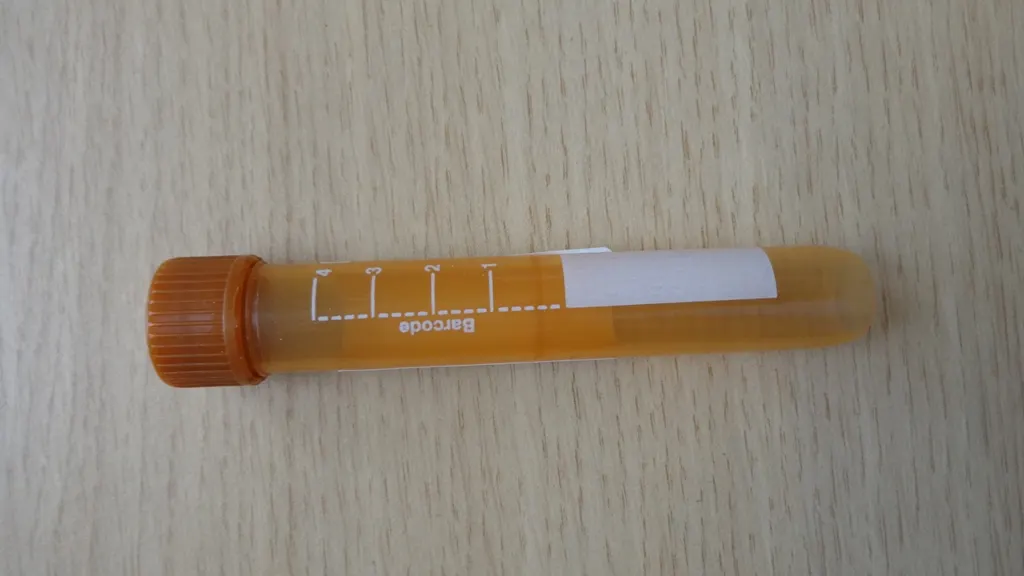
Got blood work scheduled and worried it'll show you smoke? First thing to know: a normal check-up panel, like a CBC or a metabolic panel, doesn't test for drugs at all. Second thing: when blood is tested for THC, it usually only catches fairly recent use. Here's the full picture.
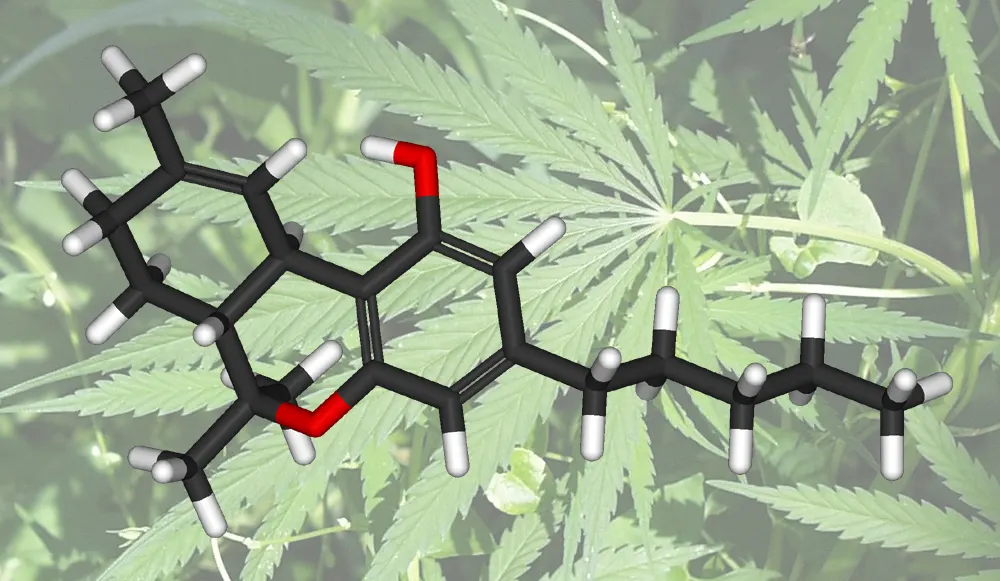
Routine blood work doesn't look for weed
The blood tests most people get at a physical include a complete blood count (CBC), a basic or comprehensive metabolic panel (CMP), cholesterol and maybe A1C or thyroid tests. None of these screen for THC or any other drug. Your doctor would have to order a toxicology test specifically. Doctors generally don't secretly add drug tests to routine labs, and for most outpatient testing they'd need a reason.
So if the question is "will my annual physical blood work show I smoke?", the answer is almost certainly no.
When blood does get tested for THC
- After car crashes or suspected impaired driving.
- In emergency rooms, when someone is confused, unconscious or poisoned (though ERs more often use urine).
- Post-accident testing in some workplaces.
- Some life insurance applications (more often urine or saliva, but sometimes blood).
- Research and clinical trials.
How long THC stays in blood
THC moves out of the blood quickly. It peaks within minutes of smoking and drops sharply over the first few hours as it spreads into tissues and gets metabolized.
| User type | Active THC in blood | THC-COOH metabolite in blood |
|---|---|---|
| Occasional smoker | Usually a few hours (often under 1 ng/mL by 6-12 hours) | Up to about 1-2 days |
| Daily / heavy smoker | Can stay above 1 ng/mL for days, sometimes up to a week or more | Up to a week or longer |
Studies of chronic users held in monitored abstinence (for example, research from the US National Institute on Drug Abuse) have detected low levels of THC in blood for several days to weeks after stopping. That surprised researchers and matters for impaired-driving laws that use fixed blood THC limits.
Edibles and blood levels
Edibles produce lower peak THC in blood than smoking, but the effects last longer and levels decline more slowly. They also generate more 11-hydroxy-THC, an active metabolite. Detection time in blood for a single edible is still typically about a day or two at the metabolite level.
Blood vs urine
Urine tests detect THC-COOH for much longer than blood (days to weeks versus hours to days). That's why employers almost always use urine. Blood answers "were you recently under the influence?", which is why it's used after accidents.
Before surgery: tell your doctor
This is where honesty really pays. Anesthesiologists want to know about cannabis use because regular users may need different doses of anesthesia and pain medication, and smoking affects your airways. Research published in anesthesia journals has found regular cannabis users sometimes need more sedative medication during procedures. Your doctor isn't the police; medical information is protected by privacy law (HIPAA), and it's in your interest to share it.
Does weed affect normal blood test results?
Possibly a little. Some research links regular cannabis use to small changes in things like blood sugar regulation, triglycerides and heart rate, and smoking anything can raise carbon monoxide-related markers. These effects are usually minor. If your doctor sees something odd, being upfront helps them interpret it.
Driving and blood THC
Some states set per se blood limits for THC (for example 2 or 5 ng/mL), while others use zero tolerance or impairment-based rules. Because daily users can have measurable THC in blood days after their last use, it's possible to be over a legal limit without feeling high. The safest rule: don't drive after using, and if you use daily, understand the legal risk.
Ad: we may earn a commission if you buy through this link. Information only, not medical or legal advice. Tampering with a drug test can be illegal and usually counts as a refusal. The only sure way to pass is to not use.
Know where you stand
If it's a urine test you're actually facing, a home THC test tells you much more than worrying about blood. Run your pattern through our THC estimator and read our full guide on detection times.
Life insurance blood tests
When you apply for life insurance, the paramedical exam often includes blood and urine samples. Insurers commonly screen urine for cotinine (nicotine) and sometimes for drugs including THC. Many insurers today don't automatically decline cannabis users, but they may classify you differently, sometimes the same as tobacco users. Lying on an application is a bigger risk than the cannabis itself, because an insurer can contest a policy over misrepresentation. If you use, shop around: underwriting rules vary a lot between companies.
Hospital and ER testing
If you go to the ER and staff want to know what's in your system, they'll usually run a quick urine drug screen, not a blood THC test. Results go in your medical record and are protected under HIPAA. They aren't sent to your employer or the police in normal circumstances, though there are exceptions in some injury cases involving vehicles. The point of ER testing is treating you properly, so tell them the truth.
Prenatal blood and urine testing
Some hospitals test pregnant patients or newborns for drugs, and policies vary by state and hospital. If you're pregnant and use cannabis, talk openly with your OB or midwife. Medical groups advise avoiding cannabis during pregnancy and breastfeeding, and your provider can help without judgment.
Blood THC numbers in context
Blood THC is measured in nanograms per milliliter of whole blood or serum (serum values are higher, so be careful when comparing studies). Just after smoking, levels can spike to 100 ng/mL or more, then fall below 5 ng/mL within a few hours for occasional users. Because levels fall so fast, a blood test taken an hour or two after a crash may already understate the level at the time of driving. That's one reason police use field sobriety evaluations and drug recognition experts in addition to blood results.
Bottom line
Routine blood work won't flag weed. A targeted blood drug test catches recent use, usually within a day or two for occasional users and longer for daily users. If you're facing a workplace test, it's almost certainly urine, and that's where you should focus.
Quick reference by situation
| Situation | Is THC likely tested? | What it would show |
|---|---|---|
| Annual physical / routine labs | No | Nothing about cannabis |
| Pre-employment screen | Yes, usually urine | Use over days to weeks |
| Post-accident at work | Often urine, sometimes blood | Recent use (blood) or recent days (urine) |
| Suspected impaired driving | Blood | Recent use, hours to a day or two |
| ER visit | Usually urine | Recent days |
| Life insurance exam | Sometimes | Depends on specimen |
If you're not sure which kind of test you're facing, it's fine to ask the clinic or HR what specimen they'll collect. They won't think twice about it.
Does CBD or delta-8 show in blood work?
Routine blood work won't look for any cannabinoid. A targeted blood drug test looks for delta-9 THC and its metabolites. Delta-8 THC is chemically very close to delta-9, and its metabolites often trigger THC immunoassays in urine; in blood, specialized labs can tell them apart, but many standard tests won't. CBD itself isn't part of drug testing, though full-spectrum products can carry some delta-9 THC. If you use hemp products and have a targeted test coming, assume they could show up as THC.
Can you speed up clearing THC from blood?
Not in any meaningful way. Active THC leaves blood fast on its own for occasional users. For heavy users, the slow tail comes from fat stores, and nothing proven speeds that up. Time is the only reliable method.
Sources
Detection windows, cutoffs and procedures on this page are based on these public sources. Individual results vary; this is information, not medical or legal advice. See how the DrugTestAnswers Editorial Team checks facts.
- HHS/SAMHSA, Mandatory Guidelines: Authorized Testing Panels, Federal Register, 13 Mar 2026
- HHS/SAMHSA, Mandatory Guidelines for Federal Workplace Drug Testing Programs using Urine, Federal Register, 12 Oct 2023
- Moeller KE et al., "Clinical Interpretation of Urine Drug Tests", Mayo Clinic Proceedings, 2017 (PubMed)
- MedlinePlus Medical Encyclopedia: Urine drug screen
- SAMHSA National Helpline (free, confidential, 24/7)
Questions people ask
Does weed show up in a blood test for a new job?
Pre-employment tests almost always use urine, not blood. Blood THC tests are mostly for accidents and impaired driving.
Will a doctor report weed use to my employer?
No. Medical records are protected under HIPAA and are not shared with employers without your consent.
Can THC be found in blood after 30 days?
Not usually for occasional users. A few studies found very low levels in some heavy daily users for weeks, but that is uncommon.
Will a CBC show marijuana?
No. A CBC counts blood cells and does not test for drugs.
Can my doctor drug test my blood without telling me?
Doctors generally need a medical reason and typically discuss it. Routine panels don't include drug tests.
How long does THC stay in blood for a daily user?
Active THC can remain at low levels for several days or longer in heavy daily users.
Should I stop smoking before surgery?
Tell your surgeon and anesthesiologist about your use; they will advise you. Stopping smoking of any kind before surgery helps your lungs.
Ad: we may earn a commission if you buy through this link. Information only, not medical or legal advice. Tampering with a drug test can be illegal and usually counts as a refusal. The only sure way to pass is to not use.
No product can promise you a pass, and the only certain way is to not use. Tampering with a drug test can be illegal and is usually treated as a refusal. We never help anyone beat DOT, federal, safety-sensitive, or court-ordered tests. If substance use is getting on top of you, call the free, confidential SAMHSA National Helpline on 1-800-662-4357 (24/7, English and Spanish), or call or text 988 in a crisis. Source: samhsa.gov.